How to Travel with a Drone: Regulations and Tips by Country
I bought my first travel drone, a DJI Mavic Air 2, in 2020 and promptly almost got it confiscated at customs in Thailand because I had not bothered to check the local regulations. That 400 USD mistake taught me a lesson I now apply before every trip: drone laws vary enormously between countries, and ignorance is not a defense. Since then, I have flown drones legally in 22 countries, navigated complex permit processes in Japan and India, and had my drone registered in four different national systems. Traveling with a drone adds an incredible dimension to your content, but it requires more preparation than almost any other piece of camera gear. This drone travel guide covers what I have learned the hard way so you can focus on flying instead of fighting bureaucracy.
Best Travel Drones
Choosing the right drone for travel means balancing image quality, portability, and regulatory compliance. The DJI Mini 4 Pro (under 249 grams) is currently the best all-around travel drone because its weight exempts it from registration requirements in many countries, including the US, EU, and UK. At 249 grams, it fits in a jacket pocket, shoots 4K video at 100fps, and has obstacle avoidance sensors that have saved me from crashing into a cliff in Portugal and a temple spire in Bali. The trade-off is smaller sensor size compared to heavier drones, which means slightly less dynamic range in challenging light.
If image quality is your priority and you do not mind the extra weight, the DJI Air 3 (720 grams) produces noticeably better footage with its dual-camera system and larger sensor. But at over 250 grams, it requires registration in most countries and may need a pilot's license depending on local laws. I carry the Air 3 for dedicated photography trips and the Mini 4 Pro for general travel. The Autel EVO Nano+ is another strong sub-250g option with excellent color science, though its app and flight features lag behind DJI's ecosystem.
Whatever drone you choose, buy at least two extra batteries. Drone batteries degrade over time, and cold weather at altitude can cut flight time by 30-40%. I once arrived in Cusco, Peru with three batteries and found that only one held a decent charge at 3,400 meters. Also invest in a quality carrying case. I use the Lowepro DroneGuard CS, which fits in a standard carry-on backpack and provides crush protection for the drone, controller, and four batteries.
Drone Regulations in Popular Countries
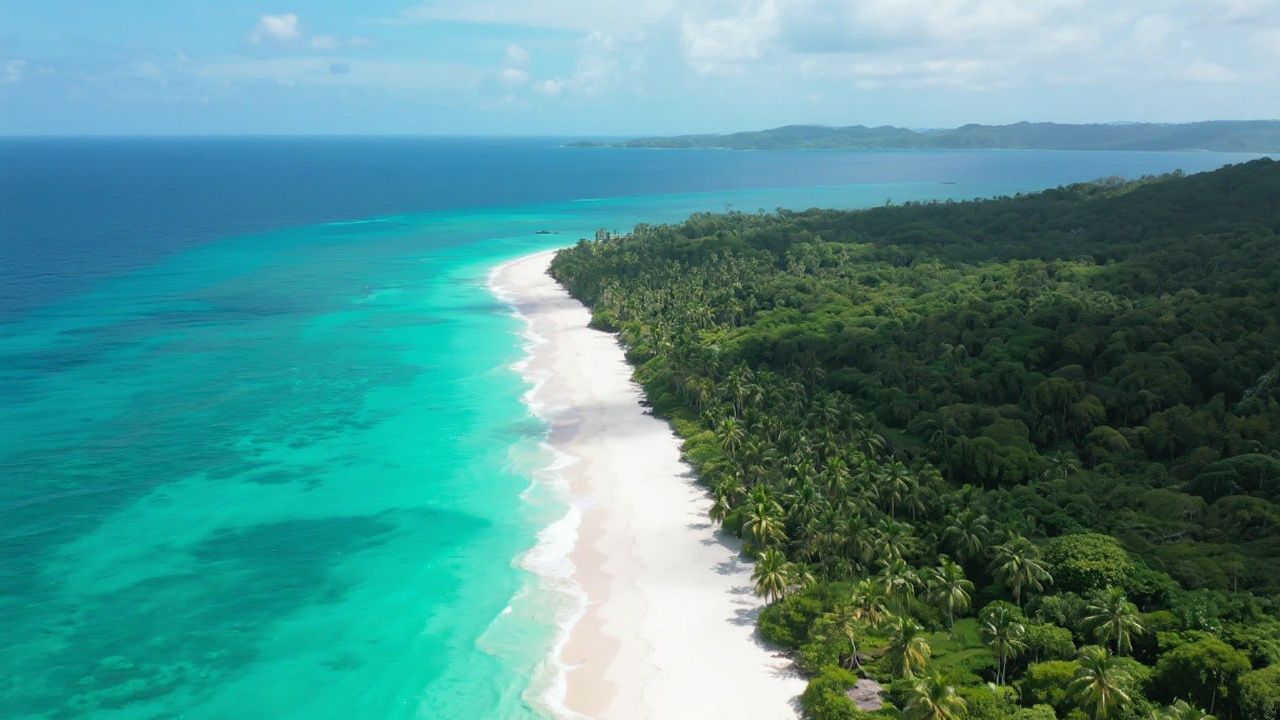
Regulations change frequently, and I always check three sources before flying in a new country: the official aviation authority website, the UAV Systems International database (uavsystemsinternational.com), and local drone Facebook groups where pilots share real-time enforcement experiences. Here is a snapshot of regulations in some of the most popular travel destinations as of early 2025.
Thailand requires all foreign drone operators to register with the CAAT (Civil Aviation Authority of Thailand) and obtain a permit before flying. The process takes 5-7 business days and costs 300 THB (about 9 USD). You also need liability insurance. I was nearly fined 20,000 THB for flying without a permit in Chiang Mai in 2021, but managed to resolve it by registering retroactively and paying a reduced penalty. Japan requires registration with the MLIT for drones over 100 grams, and flying in urban areas requires prior permission from the local aviation bureau. I obtained a permit to fly over Kyoto's bamboo grove and it took three weeks of paperwork through a registered local agent.
In the European Union, the EASA Open Category regulations apply across all member states. Drones under 250 grams can fly in the A1 subcategory (over people, but not assemblies) with a simple online registration. Heavier drones require A2 or A3 certification, which involves an online theory exam. I registered in Spain and my registration was valid across France, Italy, Portugal, and Croatia without additional paperwork. The US requires FAA registration for drones over 250 grams (5 USD), and the Remote ID rule means your drone must broadcast its location and identification. Canada, Australia, and New Zealand all have straightforward online registration systems for recreational pilots.
Countries with the strictest drone laws include India (complex NPNT compliance requirements and no-fly zones around most cities), Morocco (drones are effectively banned for tourists), and Egypt (military restrictions make legal civilian drone use nearly impossible). I do not bring my drone to any of these countries anymore. It is not worth the risk of confiscation or legal trouble.
Packing and Protection
Airlines treat drones as lithium battery devices, which means specific packing rules apply. You must carry drone batteries in your carry-on luggage, never in checked bags. The FAA and most international aviation authorities limit lithium batteries to 100 watt-hours per battery for carry-on, and most consumer drone batteries fall well under this limit (the DJI Mini 4 Pro battery is about 37 Wh). You can typically carry up to 20 spare batteries without airline approval, but I have never traveled with more than six and have never been questioned.
Declare your drone at airport security. I have found that proactively telling the security agent about the drone and batteries prevents delays. In over 50 flights with my drone, I have been asked to show the batteries twice, both times in Southeast Asia. Keep your drone's original packaging or a clearly labeled case. A loose drone in a backpack looks suspicious on X-ray machines. I also print a copy of the airline's lithium battery policy and carry it with me. Once, a gate agent in Manila tried to tell me drone batteries were not allowed on board, and the printed policy resolved the situation immediately.
For protection during travel, I wrap the drone body in a microfiber cloth inside its case to prevent dust from getting into the gimbal. I also use a lens filter (polarizing or ND) as a protective layer for the camera. In humid climates like Bali or Costa Rica, I keep silica gel packets in the case to prevent moisture damage. After a humid week in Sri Lanka, I found condensation inside my drone's camera housing that took two days to clear. Silica packets prevent this entirely.
Editing Drone Footage on the Road
Editing drone footage while traveling used to require a powerful laptop, but mobile editing has improved dramatically. I use LumaFusion on iPad for most on-the-road editing. It handles 4K footage smoothly, supports multi-track editing, and costs a one-time 30 USD fee. For quick social media content, CapCut (free with optional premium features) is surprisingly capable and works on both iOS and Android. The key to efficient mobile editing is to review and favorite your best clips immediately after each flight while the experience is fresh. I spend 15 minutes after every flight session deleting obvious duds and starring the keepers. This cuts my editing time by more than half.
For color grading drone footage, DaVinci Resolve (free desktop version) is the best option. I import my footage to an external SSD (Samsung T7 Shield is my go-to for durability) and edit on my laptop in the evening. The free version of DaVinci Resolve includes professional-grade color grading tools that transform flat drone footage into cinematic content. I apply a basic Rec.709 color space conversion, adjust exposure and contrast, and add a subtle film grain for texture. The entire process takes about 10 minutes per clip once you establish a preset.
Storage management is critical. 4K drone footage consumes roughly 400 MB per minute, and a full day of flying can generate 30-50 GB of data. I travel with two 1 TB SSDs and back up footage every evening. I learned this the hard way when a SD card corrupted in Vietnam and I lost an entire morning's worth of aerial shots over Ha Long Bay. Now I copy files to both drives before doing anything else at the hotel.
Essential Tips to Keep in Mind
- Always check for no-fly zones using the DJI Fly app or AirMap before launching. Military bases, airports, and government buildings are common restricted areas worldwide.
- Respect people's privacy. Do not fly directly over private property, beaches with sunbathers, or crowds without explicit permission.
- Keep your drone within visual line of sight. Even if your drone can fly 10 km away, most countries legally require you to see it with your naked eye.
- Calibrate the compass before your first flight in each new location. Magnetic interference from minerals or metal structures can cause erratic behavior.
- Check wind conditions before flying. Most consumer drones handle winds up to 35 km/h, but gusts in mountain or coastal environments can exceed this without warning.
- Register your drone in your home country before traveling. Having your home registration can simplify the process of obtaining foreign permits.
Frequently Asked Questions
Can I bring my drone on a plane?
Yes, in your carry-on luggage. Drone batteries must never go in checked bags due to fire risk. Declare them at security and keep them in their original protective cases. Most airlines allow up to 20 spare batteries under 100 Wh each.
What happens if I fly illegally in a foreign country?
Consequences range from warnings and fines to drone confiscation and even detention. In Thailand, fines can reach 40,000 THB (1,100 USD). In Japan, flying without permission in restricted areas can result in a fine of up to 500,000 JPY (3,300 USD). Always register and follow local rules.
Do I need insurance to fly my drone abroad?
Liability insurance is legally required in some countries (Thailand, Germany, Sweden) and strongly recommended everywhere. On-demand drone insurance through providers like SkyWatch or Thimble costs about 10-30 USD per flight and covers third-party damage up to 1 million USD.
Final Thoughts
Traveling with a drone is one of the most rewarding additions to any trip, offering perspectives that no ground-level camera can match. I have captured whale sharks from above in the Maldives, the terraced rice paddies of Bali at sunrise, and the dramatic coastline of Portugal's Algarve in ways that still make my jaw drop when I review the footage. But every single one of those flights required research, preparation, and respect for local laws. The drone community has a reputation problem because of reckless pilots who fly near airports or over crowds. Be the pilot who does it right. Check the rules, register where required, fly safely, and bring home footage that tells a story instead of generating a headache.