The Ultimate Guide to Exploring the Scottish Highlands
Best Time for Road Trips
Summer (June through August) is the obvious choice — long daylight hours (sunset after 10 PM in June), warmer temperatures, and all attractions and campsites are open. The downside is midges. These tiny biting insects emerge in clouds from late May through September, and they can make outdoor activities genuinely miserable. I visited in late June and got eaten alive during a hike near Fort William despite coating myself in Smidge (the local repellent of choice, about £8 per bottle at any Co-op or Tesco). Locals swear by Avon Skin So Soft as an alternative — it sounds like a joke, but it works better than most DEET products against midges.
May and September are the sweet spots. You'll get decent weather (by Scottish standards, which means rain is always possible), fewer crowds, and lower accommodation prices. I drove through Glencoe in mid-September and had the Three Sisters viewpoint almost entirely to myself at 7 AM, with mist pooling in the valleys and the first autumn gold touching the heather. October is gorgeous for photography — the landscape turns amber and rust — but many campsites and attractions close after mid-month, and daylight drops to about 10 hours by the end of the month.
Inverness as Base

Inverness is the unofficial capital of the Highlands, and it makes a practical base for exploring the surrounding region. It's small enough to walk across in 20 minutes but has a surprisingly good food scene, a castle (mostly a 19th-century rebuild, but the views over the River Ness are lovely), and all the services you need. I stayed at the Inverness Youth Hostel on Victoria Drive (£22 per night for a dorm bed, £65 for a private room) and found it clean, well-located, and quieter than most hostels I've stayed in.
From Inverness, you can reach Loch Ness (20 minutes by car), Culloden Battlefield (15 minutes), Urquhart Castle (30 minutes), and the Black Isle (40 minutes) as easy day trips. The city is also the terminus for the Kyle of Lochalsh railway line, one of the most scenic train rides in Britain — the route crosses viaducts, skirts lochs, and ends near the bridge to Skye. A day return ticket costs about £35 and takes 2.5 hours each way.
Eat at The Mustard Seed for dinner (£15 to £25 for mains, excellent Scottish salmon) and grab a coffee at Cafe 1 on Castle Street. For a proper Highland pub experience, walk 10 minutes to Hootananny on Church Street, where live folk music plays nightly and a pint of Tennent's costs £4.50.
Loch Ness Exploration
Loch Ness is 23 miles long, up to 755 feet deep, and contains more water than all the lakes in England and Wales combined. You will not see the monster. What you will see is one of the most atmospheric stretches of water in Britain, flanked by steep hills covered in Scots pine and birch.
Urquhart Castle, managed by Historic Environment Scotland, is the most photographed spot on the loch. Admission is £14 for adults, and the visitor centre has a short film about the castle's 1,000-year history that's genuinely worth watching. The ruins themselves are evocative — the Grant Tower still stands five stories high, and climbing it gives you a view down the full length of the loch. Arrive before 10 AM to beat the tour bus crowds.
For a less crowded experience, drive the south side of the loch on the B862. This single-track road sees a fraction of the traffic on the A82 and passes through the village of Fort Augustus, where the Caledonian Canal locks are fascinating to watch. The Loch Ness 360 trail, a 80-mile walking route around the entire loch, is gaining popularity — I walked a 6-mile section from Dores to Foyers and found it peaceful, well-marked, and rewarding, with a waterfall at the end that most tourists never see.
Highland Whisky Distilleries
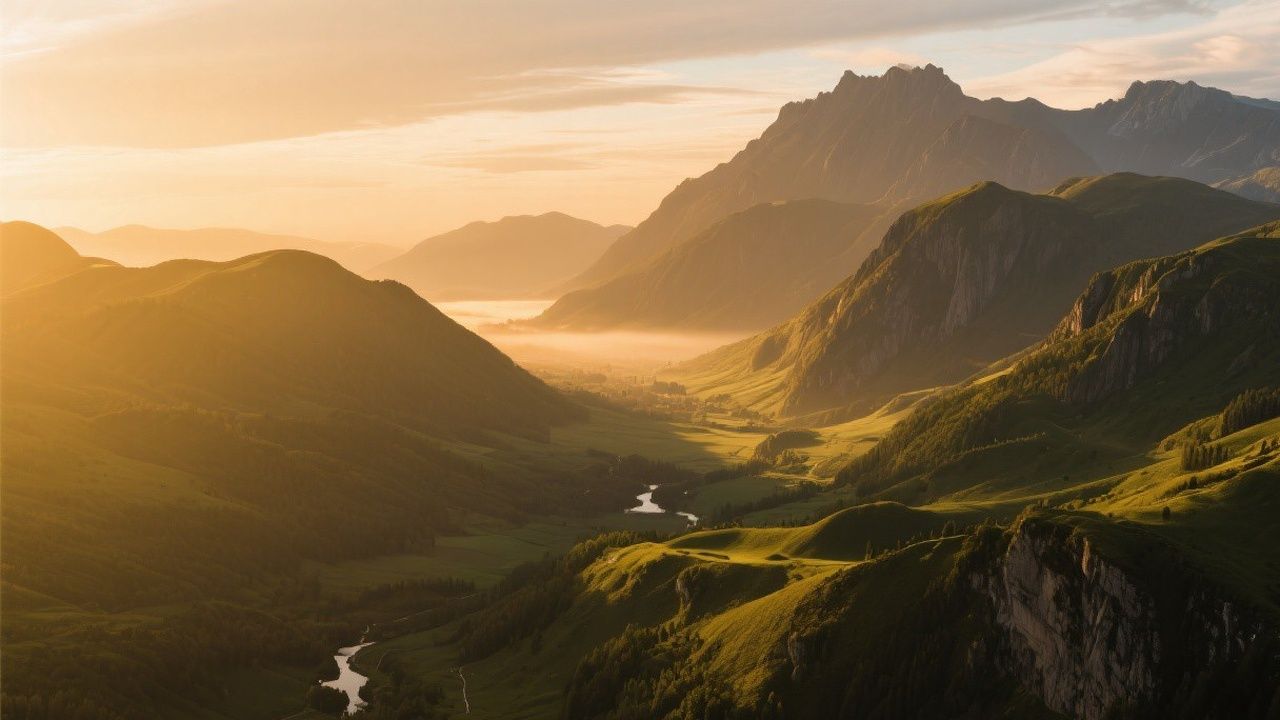
Scotland has over 140 whisky distilleries, and the Highlands are home to some of the most scenic and characterful. Distillery tours typically cost £12 to £20 and include a tasting of two or three drams. Book ahead in summer — small distilleries like Benromach in Forres (tours £15, max 8 people) sell out days in advance.
Essential Tips to Keep in Mind
- Single-track roads have passing places (wide sections marked with diamond-shaped signs). Pull into them when a car approaches.
- Fuel stations are sparse in the Highlands. Fill up in Inverness, Fort William, or Ullapool — don't assume you'll find petrol in small villages.
- Wild camping is legal in Scotland under the Outdoor Access Code. Camp above the high-water mark, leave no trace, and move on after two nights.
- A Historic Scotland membership (£54 per year) pays for itself after four castle visits. It includes Urquhart Castle, Eilean Donan Castle, and Culloden Battlefield.
- Download offline maps before you go. Mobile signal disappears for long stretches, especially on the west coast and on Skye.
Frequently Asked Questions
How many days do you need in the Scottish Highlands? Seven to ten days lets you cover Inverness, Loch Ness, Skye, and Glencoe at a comfortable pace. Five days works if you skip Skye or focus on one region.
Do you need a car? Yes. Public transport exists but is limited to main towns. Buses run once or twice daily on most routes.
Is the Isle of Skye worth it? Absolutely, but it's the most crowded part of the Highlands in summer. The Fairy Pools, Old Man of Storr, and Quiraing are all stunning but expect crowds. Go in September or October for a quieter experience.
Final Thoughts
The Highlands don't perform for you. The weather might be grey, the midges might be savage, and the road to your next stop might be blocked by a herd of Highland cows who have no intention of moving. That's the deal. What you get in return is landscape on a scale that makes you feel properly small — glens carved by glaciers, lochs that disappear into mist, and a silence so deep you can hear your own heartbeat on a hillside. Drive slowly. Stop at every layby. Eat pub pies and drink whisky by the fire. The Highlands reward patience, and they remember people who take their time.