The Best Beachfront Resorts in the Maldives for Every Budget
The Maldives has a reputation as one of the world's most expensive destinations, and for good reason -- overwater villas with private pools at five-star resorts routinely cost $1,000-2,000 per night. But after four trips to the archipelago spanning different budget levels, I can tell you that this place is not exclusively for the ultra-wealthy. The Maldives has undergone a quiet revolution in accessible tourism over the past five years, with guesthouses on local islands offering beachfront stays for $50-100 per night and mid-range resorts delivering the overwater experience for a fraction of the luxury price. Here is how to experience the Maldives at whatever budget works for you.
Mid-range resort options
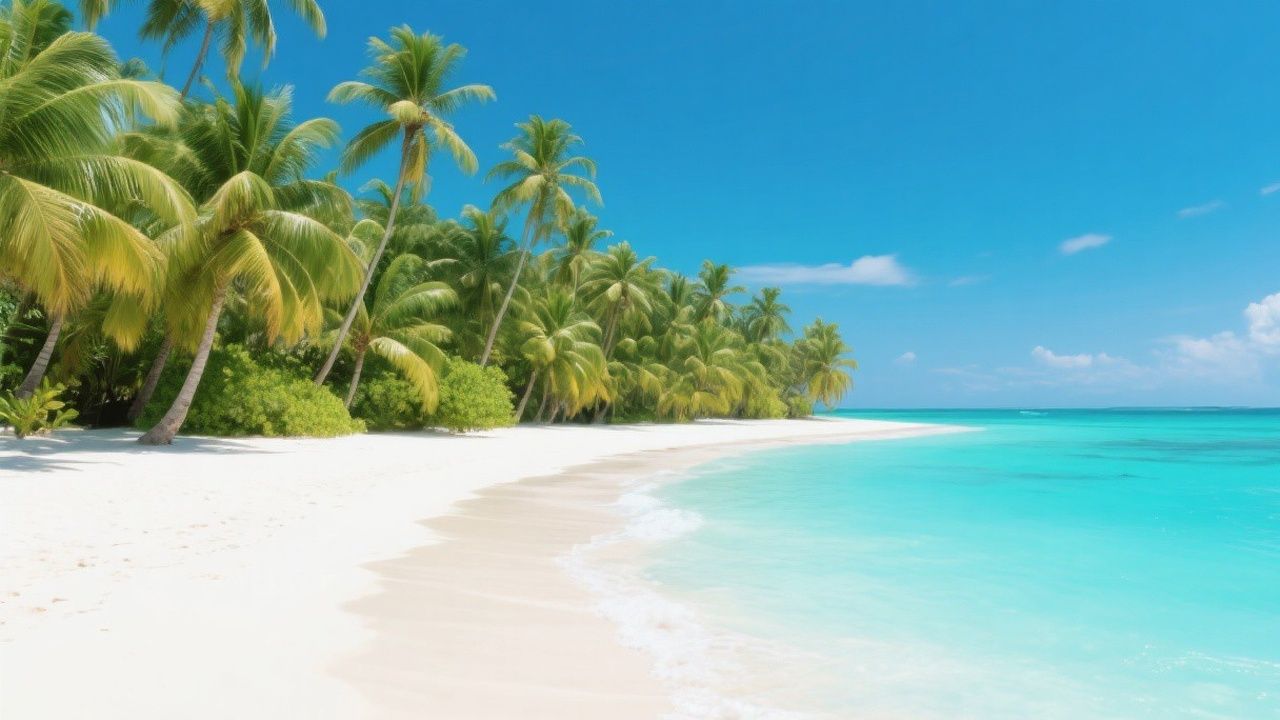
The mid-range sweet spot in the Maldives sits between $200-500 per night, and this is where you get the most value for your money. You are still on a private island with white sand, turquoise water, and house reef snorkeling -- you just skip the butler service and Dom Perignon. Centara Grand Island Resort and Spa is my top pick in this category. At $250-400 per night for a beachfront villa, the Thai-owned resort brings excellent service standards to the Maldives at a price that undercuts most Western-branded competitors. The house reef is one of the best I have snorkeled in the Maldives -- I saw reef sharks, sea turtles, and a moray eel within 50 meters of the beach on my first afternoon.
Another strong mid-range option is Kuredu Island Resort in the Lhaviyani Atoll. At $200-350 per night, Kuredu is one of the larger resorts in the Maldives (386 rooms across multiple categories), which means it can offer facilities that smaller islands cannot: a dive center, two pools, five restaurants, a spa, and a golf course. The beach villas are spacious with direct sand access, and the all-inclusive package at $320-380 per night is one of the best value deals in the country. The resort also has a strong focus on marine conservation, with a resident marine biologist who leads free reef walks and turtle-spotting excursions.
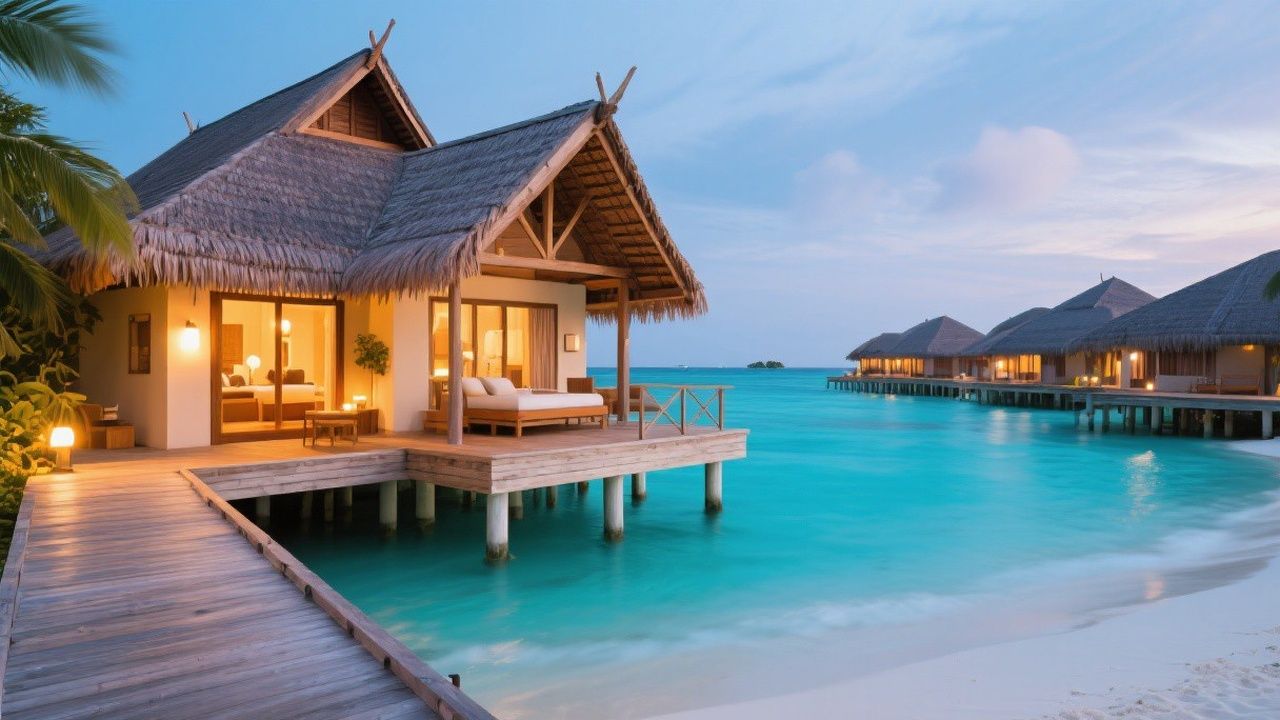
For couples seeking a romantic mid-range option, Embudu Village in the South Male Atoll is a hidden gem. At $180-280 per night, this small resort (only 124 rooms) has a castaway-island feel with thatched-roof beach bungalows, a single excellent restaurant, and a house reef that drops off into deep blue water just 30 meters from shore. There is no pool, no overwater villa, and no spa -- and that is exactly the point. Embudu is about stripped-back simplicity: good food, great snorkeling, and some of the most spectacular sunsets I have seen anywhere.
Luxury overwater villa resorts
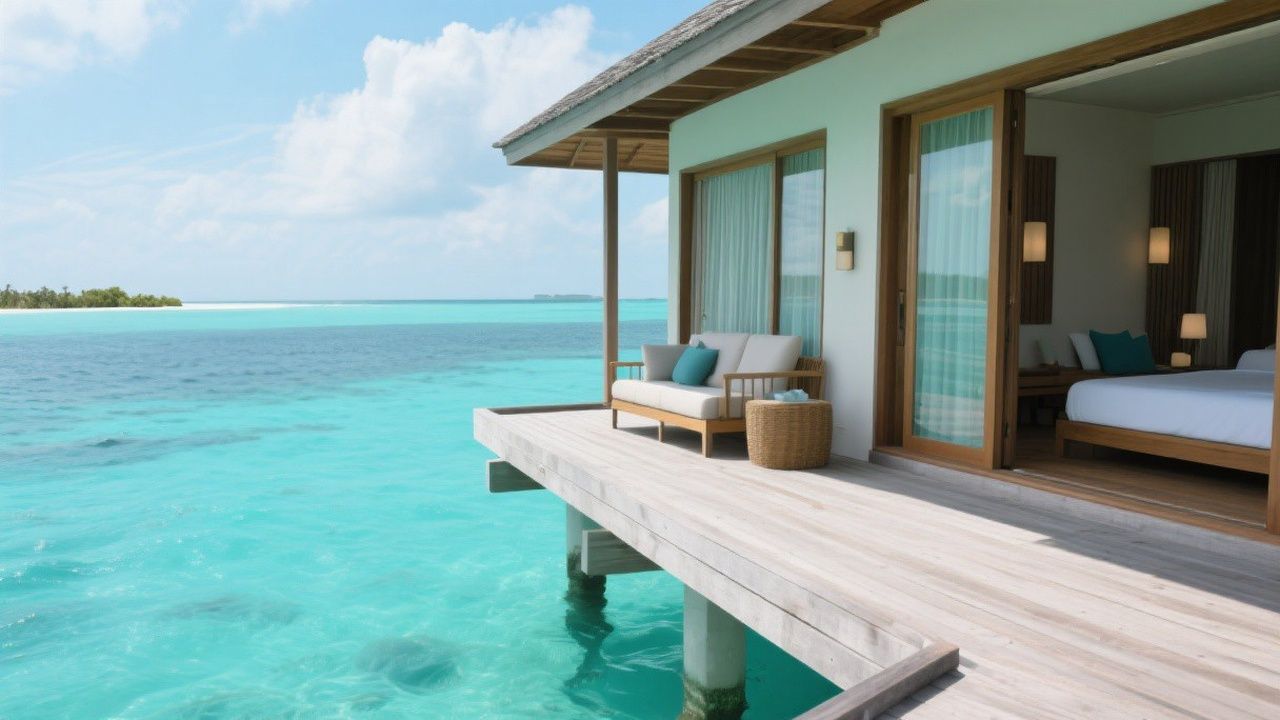
If you have the budget for a splurge, the Maldives delivers overwater villa experiences that exist nowhere else on Earth. Soneva Jani in the Noonu Atoll is the property that redefined what a Maldives resort could be. At $1,500-3,000 per night, each villa has a private water slide that drops you directly into the lagoon, a retractable roof over the bed for stargazing, and a personal butler who anticipates your needs before you articulate them. The resort operates on a no-shoes, no-news philosophy -- you remove your shoes on arrival and do not put them back on until departure. The food is exceptional, with five restaurants including a floating breakfast delivered by canoe to your villa deck.
Joali Maldives in the Raa Atoll is another top-tier option at $800-1,500 per night. What sets Joali apart is its art collection -- the resort features 14 site-specific installations by international artists, including a massive butterfly sculpture that appears to float above the water and a sound installation in the mangrove forest. The overwater villas are enormous (starting at 150 square meters) with private pools, outdoor rain showers, and curated minibars. The spa is one of the best in the Maldives, with treatment rooms built over the water and programs designed by a team of visiting wellness practitioners.
For something more intimate, Gili Lankanfushi in the North Male Atoll offers 45 overwater villas at $700-1,200 per night. The resort pioneered the overwater concept in the Maldives and has maintained its position through consistent quality and a genuine commitment to sustainability. The villas are built from sustainable materials, the resort runs its own water bottling plant, and the marine biology team has planted over 100,000 corals on the house reef. The open-air restaurant serves some of the best seafood in the country, and the wine cellar has an impressively curated selection.
Best islands for different activities
The Maldives is not a one-activity destination, and the island you choose should match what you actually want to do. For surfing, the North Male Atoll is the base, with consistent waves from March to October. Pasta Point, Sultans, and Honky's are world-class breaks, and resorts like Cinnamon Dhonveli ($300-500 per night) offer surf packages with boat transfers to the breaks at dawn. I spent a week here during a south swell and scored head-high waves with only four other surfers in the lineup.
For diving, the Baa Atoll is unmatched. A UNESCO Biosphere Reserve, this atoll has some of the healthiest coral in the Maldives and regular sightings of manta rays and whale sharks. The Four Seasons Landaa Giraavaru ($600-1,000 per night) has an exceptional dive center, but the more affordable Amilla Maldives ($350-550 per night) offers equally good access to the same dive sites. I did a drift dive through Hanifaru Bay in July and counted 23 manta rays feeding in a single plankton bloom -- one of the most extraordinary wildlife encounters of my life.
For pure relaxation and beach quality, the Laamu Atoll in the deep south offers the most pristine and least crowded beaches. Six Senses Laamuu ($500-900 per night) sits on an island with a two-kilometer sandbank that emerges at low tide, creating a private beach that extends hundreds of meters into the turquoise lagoon. The resort also has one of the best house reefs I have encountered, accessible directly from the beach without needing a boat.
Diving-focused resorts
Some Maldives resorts are built around diving, and the difference shows. Kudahuvadhoo Island in the Dhaalu Atoll is home to several dive-focused properties, but the standout is Niyama Private Islands' dive program. At $400-700 per night, the resort offers PADI courses from Open Water through Divemaster, with a house reef that features a wreck dive, a cave system, and regular pelagic sightings. The dive center is run by a team of European instructors who have been diving the Maldives for over a decade, and their local knowledge of currents and seasonal marine activity is invaluable.
Vakarufalhi Island Resort in the South Ari Atoll is a dedicated dive resort at $250-400 per night that offers some of the most reliable whale shark sightings in the Maldives. The resort runs daily whale shark excursions, and during the southwest monsoon (June to November), the success rate is over 80%. The house reef is also excellent, with a resident population of green sea turtles that can be spotted on almost every dive. The resort is small (80 rooms) and focused -- there is not much to do if you do not dive or snorkel, but for underwater enthusiasts, it is paradise.
Essential Tips to Keep in Mind
- Book at least 3-6 months in advance for peak season (December to April). The best resorts and specific room categories sell out fast, especially overwater villas and beachfront suites with direct lagoon access.
- Consider a guesthouse on a local island for budget travel. Properties like Seahorse Beach Inn on Thulusdhoo ($60-90 per night) offer beachfront rooms, meals, and snorkeling for a fraction of resort prices. You get the same water and sand -- just without the private island exclusivity.
- All-inclusive packages are worth it at mid-range resorts. Food and beverage costs at Maldives resorts add up quickly ($50-80 per person per meal at most properties). An all-inclusive rate that includes meals, drinks, and activities typically saves 30-40% compared to paying a la carte.
- The Maldives has two monsoon seasons. The northeast monsoon (December to April) brings dry, sunny weather and calm seas. The southwest monsoon (May to November) brings short rain showers and rougher seas, but also better visibility for diving and lower prices at most resorts.
- Speedboat vs seaplane transfers: seaplanes are faster and more scenic but cost $300-500 per person round trip and only operate during daylight hours. Speedboats are cheaper ($100-200 per person) and run on schedules, but can be rough in rough seas.
Frequently Asked Questions
Can you visit the Maldives on a budget?
Absolutely. Local island guesthouses offer comfortable beachfront rooms for $50-100 per night, and meals cost $5-15 at local restaurants. A week on a local island including accommodation, food, snorkeling, and transfers can cost $700-1,000 per person -- less than a single night at some luxury resorts.
Is the Maldives worth the cost?
For the overwater villa experience, there is genuinely no substitute. The combination of water clarity, marine life, and resort design creates something unique. But if you are primarily interested in beaches and snorkeling, local islands deliver 80% of the experience at 20% of the cost.
Do I need to book a resort or can I stay on a local island?
Both options are available. Resorts offer privacy, all-inclusive convenience, and overwater villas. Local islands offer cultural interaction, affordable prices, and a more authentic Maldivian experience. Many travelers combine both: a few nights at a resort followed by a few nights on a local island.
Final Thoughts
The Maldives rewards travelers who match their budget to the right type of experience. Luxury overwater villas deliver once-in-a-lifetime moments that justify the price for special occasions. Mid-range resorts offer 90% of the magic at 40% of the cost. And local island guesthouses prove that this archipelago's extraordinary beauty is not reserved for the wealthy. Whatever your budget, the water is the same impossibly blue, the sand is the same powder white, and the sunsets are just as spectacular.