How to Use Points and Miles for Free Flights: A Beginner's Guide
I booked a round-trip business class flight from New York to Tokyo last year that would have cost $8,200, and I paid exactly $5.60 in taxes. That wasn't luck; it was the result of understanding how points and miles actually work and building a strategy around them. Most people collect airline miles passively, swipe a credit card occasionally, and wonder why they can never redeem for anything good. The travelers who consistently fly for free treat their points like a currency, and this points and miles guide will show you how to do the same without making it a full-time job.
Understanding Points and Miles Basics
Points and miles are loyalty currencies issued by airlines, hotels, and credit card companies. The fundamental concept that most beginners miss is that not all points are created equal. A Chase Ultimate Rewards point is worth roughly 1.5 to 2 cents when transferred to airline partners, but only 1 cent if you use it as a cash-back statement credit. That difference is what separates casual collectors from people who fly business class for the price of an economy ticket.
There are three main categories of travel rewards currency. Airline miles like Delta SkyMiles or United MileagePlus are tied to specific carriers. Hotel points like Marriott Bonvoy work similarly for accommodations. Transferable points, which include Chase Ultimate Rewards, American Express Membership Rewards, and Capital One Miles, are the most flexible because they can be moved to dozens of different programs. If you're just starting out, I strongly recommend focusing on transferable points rather than accumulating miles with a single airline.
Best Travel Credit Cards

The fastest way to accumulate a meaningful points balance is through travel credit card sign-up bonuses. The Chase Sapphire Preferred currently offers 60,000 bonus points after spending $4,000 in the first three months, which alone is enough for a round-trip flight to Europe when transferred to United or British Airways. The American Express Gold card offers 60,000 Membership Rewards points after $4,000 in spending, and the Capital One Venture X offers 75,000 miles after $4,000.
Choose your first card based on your natural spending patterns. If you spend heavily on groceries and dining, the Amex Gold earns 4x points in those categories. If your spending is more evenly distributed, the Chase Sapphire Preferred earns 2x on all travel and dining worldwide. Don't open more than two cards in a six-month period if you're new to this, because Chase's "5/24 rule" will automatically reject your application if you've opened five or more cards in the past 24 months.
Airline Loyalty Programs
Airline loyalty programs reward you for flying with a specific carrier, but the real value lies in their partnerships within the three major global alliances: Star Alliance, Oneworld, and SkyTeam. This means you can earn miles on United (Star Alliance) by flying with Lufthansa, or earn miles on American Airlines (Oneworld) by flying with Japan Airlines. Understanding these alliances is what makes free flights with points genuinely achievable.
Each program has its own award chart and redemption rules. United MileagePlus uses dynamic pricing where award costs fluctuate based on demand, while Avios (used by British Airways and Iberia) charges based on distance flown, making it exceptional for short-haul flights within Europe and Asia. Status within an airline program unlocks benefits that go beyond free flights: free checked bags, priority boarding, lounge access, and waived change fees. For most beginners, reaching status through credit card spending rather than actual flying is far more practical.
Transfer Partners and Alliances
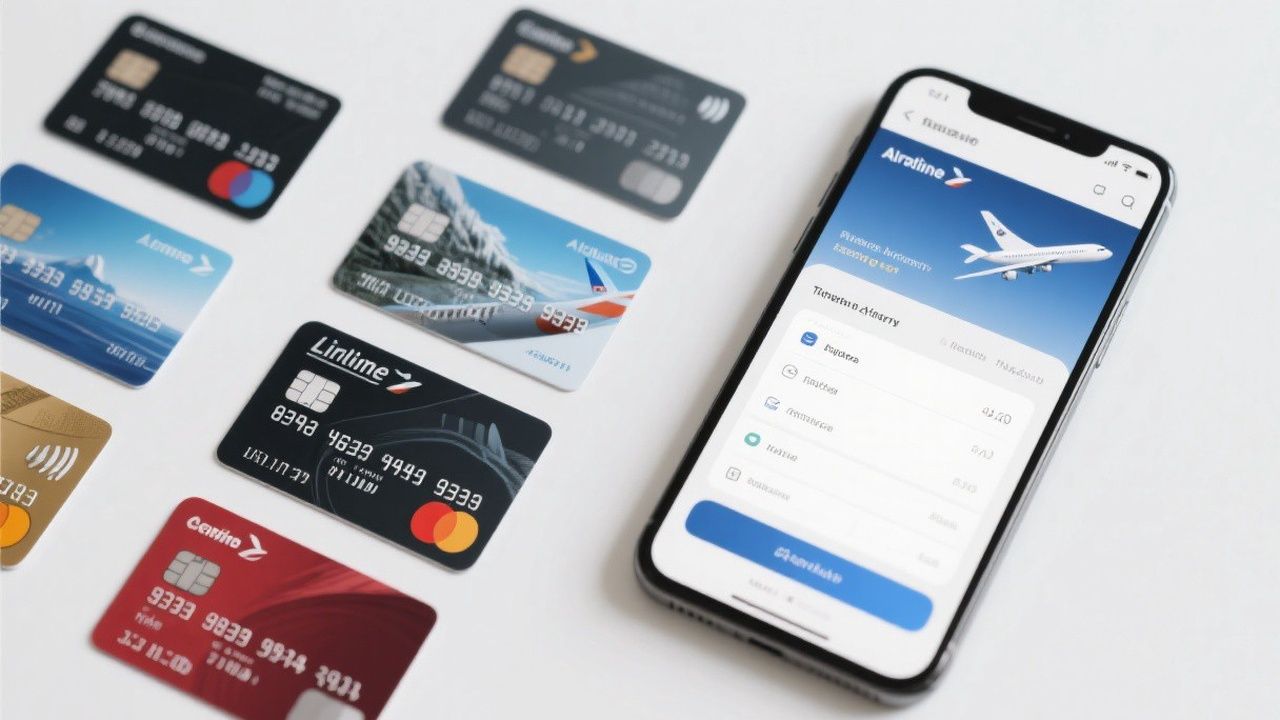
Transferable points become powerful when you understand how to leverage transfer partners strategically. Chase Ultimate Rewards transfers to 14 airline programs including United, British Airways, and Singapore Airlines. American Express Membership Rewards transfers to over 20 airline programs including Delta, Air Canada, and ANA. The key insight is that the same flight can have vastly different point costs depending on which program you book through. A business class seat from the US to Japan might cost 120,000 United MileagePlus miles but only 88,000 ANA Mileage Club miles for the exact same flight.
Always check award availability before transferring points, because transfers are one-way and irreversible. I use tools like AwardHacker and Point.me to search across multiple programs simultaneously. Pay attention to transfer times, which range from instant (Chase to United) to several days (Amex to some international carriers). I always transfer points to programs where the transfer is instant when booking high-demand routes.
Essential Tips to Keep in Mind
- Never redeem points for cash back unless the redemption rate exceeds 1.5 cents per point, as you can almost always get better value through travel redemptions.
- Book award flights as early as possible, most airlines release award seats 331 days before departure.
- Use points for expensive flights where the cash price is high to maximize the per-point value of your redemptions.
- Keep your points active by making at least one small purchase every 12-24 months, depending on the program, to prevent expiration.
- Consider opening cards from different issuers to diversify your transferable points and access a wider range of airline partners.
Frequently Asked Questions
Do points and miles expire?
It depends on the program. Delta SkyMiles and United MileagePlus miles never expire as long as your account is open. American Airlines AAdvantage miles expire after 24 months of inactivity. Transferable points from Chase and Amex never expire as long as your credit card account remains open.
Can I use points to book flights for someone else?
Yes, absolutely. You can use your miles or points to book award tickets for anyone: family, friends, even strangers. The name on the ticket doesn't need to match the name on the loyalty account.
How many points do I need for a free flight?
A domestic economy flight within the US typically costs 10,000-15,000 miles each way. A round-trip economy flight to Europe costs 50,000-70,000 miles depending on the program. Business class to Asia ranges from 80,000-120,000 miles round-trip.
Final Thoughts
Points and miles aren't a gimmick; they're a legitimate currency that airlines and credit card companies use to retain customers. The travelers who benefit most are the ones who approach it strategically: picking the right cards, earning sign-up bonuses, understanding transfer partners, and booking award flights during availability windows. Start with one card, learn the basics, and expand from there. Within a year, you'll likely have enough points for at least one international trip.