The Best Sake to Buy in Japan: A Beginner's Guide
My first real encounter with sake happened in a tiny standing bar in Tokyo's Yurakucho district, underneath the brick arches of the train tracks. The bartender poured a cloudy white liquid from a small ceramic flask into a chilled cup and told me it was namazake, unpasteurized sake from Niigata Prefecture. It tasted nothing like the warm, slightly harsh sake I had tried at Japanese restaurants back home. It was fresh, slightly sweet, with notes of melon and rice milk, and a clean, lingering finish. That glass cost 500 yen, roughly USD 3.50, and it changed my understanding of what Japanese sake could be entirely.
Japan produces over 1,400 brands from roughly 1,200 breweries across every prefecture. The variety is staggering, and the quality at everyday prices in Japan is extraordinary compared to export markets. A bottle of excellent sake costing 1,500 yen in a Japanese supermarket might sell for USD 30 or more in a New York specialty store. Buying Japanese sake in Japan is about access to a world of flavors that simply does not exist outside the country.
Sake Brewing Process
Sake brewing is fundamentally different from wine or beer. The process begins with special sake rice, which has larger, starchier grains than table rice. The outer layers are milled away to expose the starchy core, which is steamed, inoculated with a mold called koji-kin, and mixed with water and yeast. The parallel fermentation, where koji converts starch to sugar and yeast converts sugar to alcohol simultaneously, gives sake its characteristic balance of sweetness and umami.
The milling degree is the single most important quality factor. Junmai-shu requires milling to at least 70 percent. Ginjo-shu requires 60 percent or less. Daiginjo-shu, the highest grade, requires 50 percent or less, with some ultra-premium examples milled to 35 percent. This labor-intensive process is why daiginjo costs 3,000 to 15,000 yen per bottle. Visiting a brewery, or kura, is one of the most rewarding experiences for any sake enthusiast. The Nada district in Kobe offers a walking route connecting five historic kura. Tours are free at most breweries, and the best time to visit is winter (January to March), when most are actively producing and the air is thick with fermenting rice aroma.
Types of Sake Explained
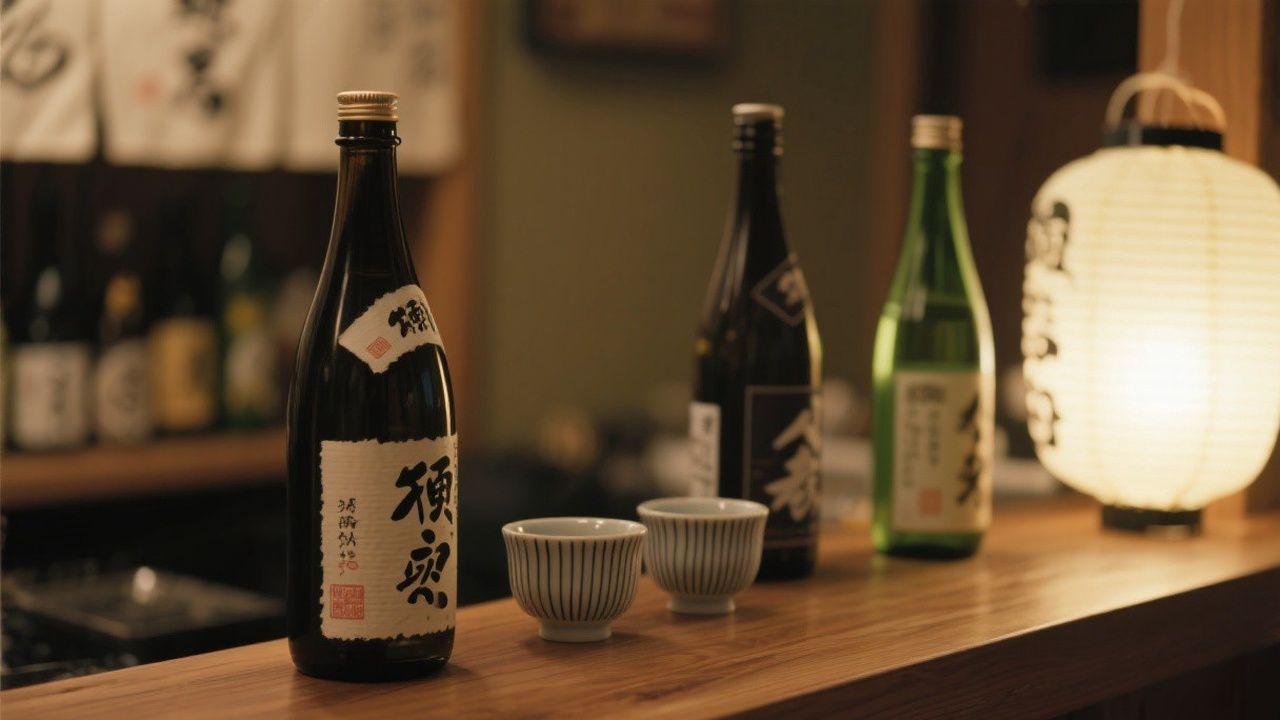
The classification boils down to two variables: milling rate and whether distilled alcohol is added. Junmai uses only rice, water, yeast, and koji. Honjozo has a small amount of distilled alcohol to lighten flavor and enhance aromatics. Both exist at every grade. Junmai tends to be fuller-bodied with more rice flavor; honjozo is lighter and more aromatic.
Specialty styles worth seeking out include namazake (unpasteurized, must be refrigerated, consumed within months), nigorizake (unfiltered, cloudy, slightly sweet and creamy), and koshu (aged sake with complex caramel and nutty flavors). I bought a 10-year koshu from Fukushima for 4,500 yen that tasted more like fine Madeira than any sake I had encountered. For beginners, start with a junmai ginjo from Niigata, known for clean, light, slightly dry character. Good bottles include Kubota Manju (around 2,800 yen), Hakkaisan Junmai Ginjo (around 1,900 yen), and Koshinokanbai (around 2,200 yen). For richer umami-driven sake, try a junmai from Hyogo like Kenbishi (around 3,500 yen), brewed in Nada since 1505.
Duty-Free Shopping
Japan's duty-free allowance is three bottles (up to 760 milliliters each) per adult. Airport duty-free prices are competitive, typically 10 to 20 percent below domestic retail, but selection is limited. A better option is duty-free stores in cities. Yodobashi Camera, Bic Camera, and Laox offer tax-free shopping for purchases over 5,000 yen, saving 10 percent consumption tax. The Yodobashi Camera in Akihabara has an entire floor dedicated to Japanese alcohol with over 500 labels.
For the most curated selection, visit specialty shops. Hasegawa Sakaten in Kanda, operating since 1891, stocks over 300 labels. Kuriya in Ginza focuses on premium daiginjo and junmai daiginjo. Both offer tasting counters where you can sample before buying, typically 1,000 to 3,000 yen for a set of three to five sakes. Staff speak varying levels of English; a translation app helps for detailed questions.
Bringing Sake Through Customs
Customs regulations vary by country. US residents can bring one liter duty-free, with additional bottles subject to roughly USD 3 to USD 4 per liter excise tax. UK residents can bring unlimited alcohol for personal use. Australians face stricter limits: 2.25 liters duty-free. Check your country's allowances before purchasing.
Pack sake in checked luggage wrapped in bubble wrap, sealed in a plastic bag, surrounded by soft items. I have checked sake on over a dozen flights without a single break. For multiple bottles, consider Yamato Transport's luggage forwarding service, which ships to airports for 1,500 to 3,000 yen per box. Temperature matters for premium sake, particularly namazake and ginjo. Never leave sake in a hot car or direct sunlight. For long layovers in warm climates, wrap bottles in an insulated bag with a cold pack.
Essential Tips to Keep in Mind
- Shop at specialty sake shops rather than airports for the best selection and tax-free savings of 10 percent.
- Start with junmai ginjo from Niigata for a clean, approachable introduction to premium sake.
- Try namazake between March and May. This seasonal unpasteurized style is only available fresh in Japan.
- Visit a brewery in winter for the most atmospheric experience and free tastings.
- Wrap bottles in bubble wrap inside sealed plastic bags in checked luggage to prevent breakage.
- Check your home country's duty-free alcohol allowance before purchasing.
- Store opened sake in the refrigerator and consume within one to two weeks.
Frequently Asked Questions
Should I drink sake hot or cold?
Premium sake, especially ginjo and daiginjo, should be chilled at 10 to 15 degrees Celsius. Basic junmai and honjozo can be served warm at 40 to 50 degrees Celsius to bring out umami. Never heat premium sake, as it destroys delicate aromas.
How long does sake last after opening?
Most sake should be consumed within one to two weeks. Namazake should be consumed within days. Pasteurized sake can last up to a month refrigerated, but flavors gradually deteriorate.
What food pairs well with sake?
Clean styles pair with sashimi, oysters, and salads. Fuller-bodied junmai complements grilled meats and tempura. Koshu pairs beautifully with cheese and cured meats. Avoid pairing delicate sake with very spicy food.
Final Thoughts
The world of Japanese sake is vast, nuanced, and deeply rewarding. The best approach is to taste widely and trust your own palate. Some of my favorite discoveries have been inexpensive bottles recommended by a shopkeeper or bartender. Japan offers unparalleled access to styles, brands, and seasonal releases that never leave the country. Bring an empty suitcase, a curious palate, and a willingness to try something new. The sake will do the rest.