The Ultimate Guide to Exploring the Trans-Siberian Railway
Visa Requirements
If you're taking the Trans-Mongolian route (Moscow to Beijing via Ulaanbaatar), you'll also need a Mongolian visa ($50 to $75, processing takes 3 to 5 business days) and a Chinese visa ($140 for US citizens, $30 to $60 for most European nationalities). Chinese visas must be obtained in your home country — you cannot reliably get one on the road. Apply for all visas at least two months before departure.
Your Russian visa specifies entry and exit dates, and you must enter and leave within those dates. Overstaying, even by one day, results in fines, detention, and potential deportation. A 30-day tourist visa is standard and sufficient for the direct route with a few stops.
Train Ticket Booking
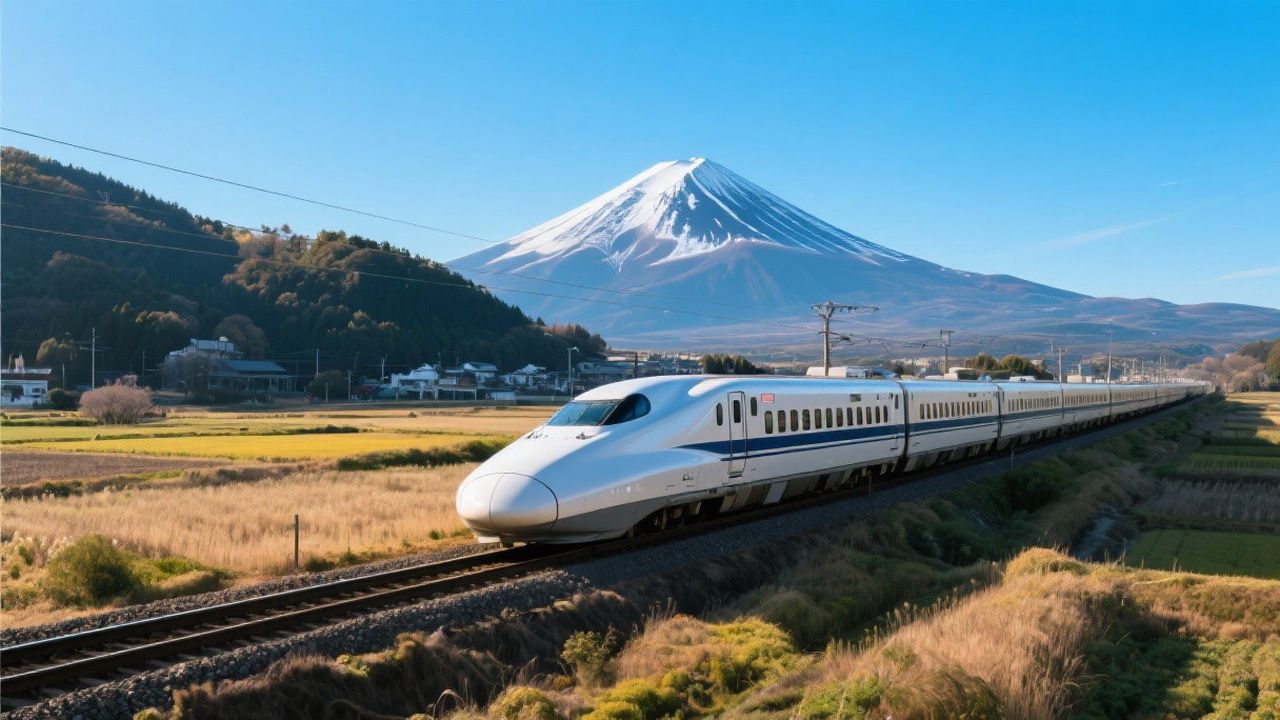
Booking Trans-Siberian train tickets has gotten significantly easier. The official Russian Railways website (rzd.ru) sells tickets for all domestic routes and accepts international credit cards. The site is in Russian — use Google Chrome's auto-translate feature. Alternatively, Real Russia and 360east.com are English-language agencies that charge a small markup (about $15 to $25 per ticket) but handle the entire process in English.
Prices vary enormously by class and season. A second-class berth (kupe — 4-bed compartment) from Moscow to Vladivostok costs roughly 16,000 to 25,000 RUB ($175 to $275) one way. First class (spalny vagon — 2-bed compartment) is 35,000 to 55,000 RUB ($380 to $600). Third class (platskartny — open dormitory with 54 beds per car) is 8,000 to 14,000 RUB ($87 to $152). I traveled second class and found it comfortable enough — the compartments are small but each has a fold-down table, a window, and storage space under the lower bunks.
Book at least 2 to 3 months ahead for summer travel. Popular trains (particularly train number 2, the Rossiya, which runs Moscow to Vladivostok in 6 nights) sell out weeks in advance. You don't have to book the entire route on one ticket — buying individual segments gives you flexibility to adjust your schedule.
Cabin Classes Explained
Third class (platskartny) is an open-plan dormitory with bunks stacked three high on both sides of the aisle. It's social, noisy, and lacks privacy, but it's the cheapest option and the best way to meet Russians, who are often curious about foreign travelers and generous with their food and vodka. I met a retired engineer from Novosibirsk who shared his homemade pickles and told me stories about working on Soviet-era construction projects.
Second class (kupe) is the sweet spot for most travelers. Each compartment has four bunks, a closing door, and a small table. The door locks from inside, giving you privacy and security for your belongings. If you're traveling solo, you'll share with up to three strangers, but in my experience, Russian compartment-mates are considerate and quiet.
First class (spalny vagon) offers two-bunk compartments with a washbasin, better bedding, and more space. It's comfortable and private but isolating — you'll have minimal interaction with other passengers. The price premium is steep (roughly double second class), and I'd only recommend it if privacy is a high priority.
Food and Dining Options
Every long-distance train has a dining car (vagon-restoran), and the food is better than you'd expect — hearty Russian dishes like borscht, beef stroganoff, pelmeni, and blini served on white tablecloths. Prices are marked up: a main course costs 400 to 700 RUB ($4.50 to $8), a beer is 200 to 300 RUB, and a full meal runs 1,000 to 1,500 RUB ($11 to $16). The dining car is also a social space — it's where you'll meet other travelers and watch the Siberian taiga roll past the window.
Most experienced travelers supplement dining car meals with their own supplies. Every major station stop has vendors on the platform selling homemade food — babushkas with coolers full of smoked fish, pirozhki (stuffed buns), pickled vegetables, and boiled potatoes with dill. A smoked omul fish from Lake Baikal costs 200 to 300 RUB and is one of the iconic Trans-Siberian eating experiences. The samovar (hot water dispenser) at the end of each carriage is free and always available — bring a mug, instant coffee, and whatever you want to rehydrate.
Essential Tips to Keep in Mind
- Bring a padlock for your luggage. Train doors don't lock, and while theft is rare, it happens. Keep valuables in a small day pack that stays with you.
- Pack wet wipes, hand sanitizer, and toilet paper. Train toilets are functional but basic, and supplies run out on multi-day journeys.
- Carry cash in RUB. Small vendors at stations don't accept cards, and ATMs aren't available at every stop.
- Download offline maps, books, podcasts, and movies before departure. Wi-Fi on the train is unreliable or nonexistent.
- Stop in at least three cities along the route. Yekaterinburg (Europe-Asia border marker), Irkutsk (gateway to Lake Baikal), and Khabarovsk (Amur River views) are the most rewarding stopovers.
Frequently Asked Questions
How long does the full Trans-Siberian journey take? The direct Moscow to Vladivostok train takes 6 nights and 7 days. With stopovers, most travelers spend 14 to 21 days on the route.
Is the Trans-Siberian safe? Yes, for the vast majority of travelers. Use common sense — lock your belongings and be cautious with alcohol.
How much does the Trans-Siberian cost? Train tickets for the full route in second class cost $175 to $275. With stopovers, accommodation, food, and visas, budget $2,500 to $4,000 for a 2 to 3-week trip.
What's the best time of year to travel? May to September offers the best weather and longest daylight hours. September is ideal — fewer crowds, golden autumn foliage, and comfortable temperatures.
Final Thoughts
The Trans-Siberian Railway is not a scenic train ride in the conventional sense. For long stretches, the view from the window is birch forest, birch forest, and more birch forest. The magic is in the rhythm of train life — the click-clack of wheels on tracks, the samovar hissing at the end of the carriage, the shared meals with strangers who become temporary friends, and the slow, visceral understanding of just how enormous Russia is. You arrive in Vladivostok a different person than you were in Moscow, not because of what you saw, but because of what you experienced in the space between. Bring books, bring patience, and bring an open mind. The Trans-Siberian will fill in the rest.