How to Visit the Taj Mahal: Tickets, Timing, and Photography Guide
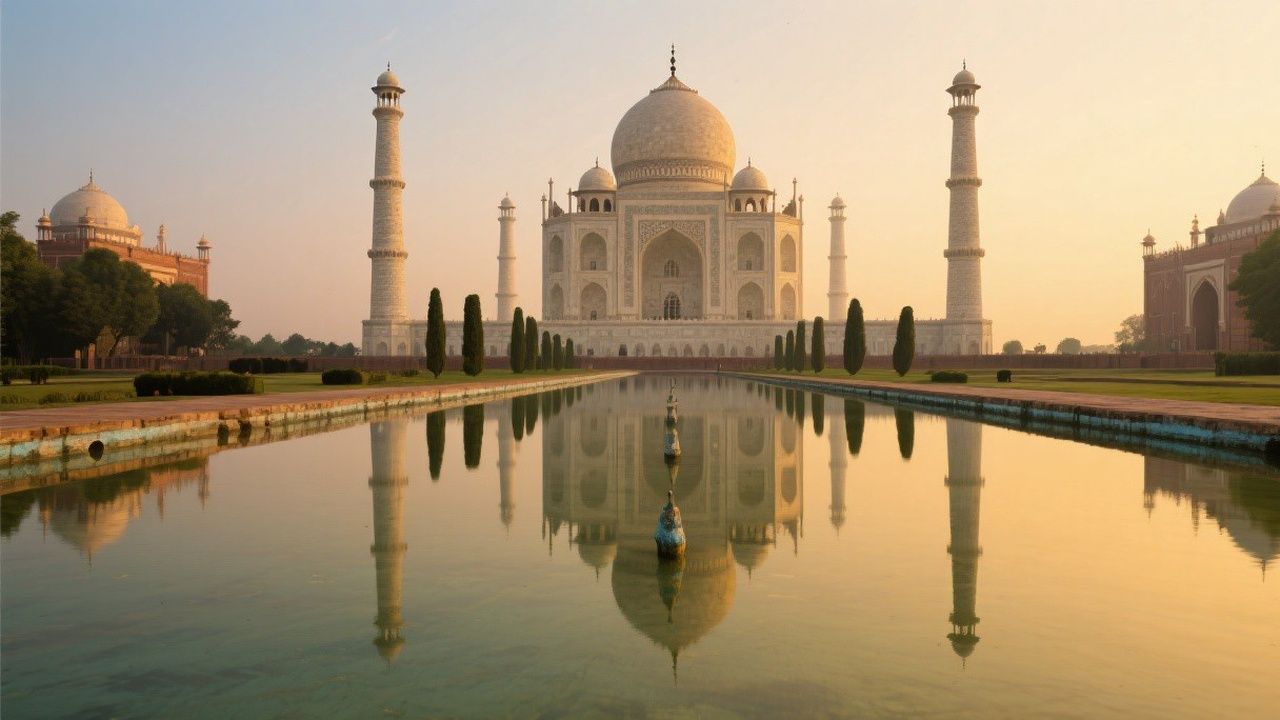
I arrived at the Taj Mahal at 5:45 AM on a February morning, and the air was so cold that my breath formed clouds. The east gate was already lined with people clutching cameras and stamping their feet. The gates opened at 6:00 AM, and I walked through the archway into the Mughal garden just as the sun crested the horizon. The light hit the white marble facade, and the entire building turned from pale gray to warm gold in about three minutes. I stood there, frozen and speechless. The Taj Mahal is the most visited monument in India, receiving roughly 7-8 million visitors per year, and the difference between a transcendent experience and a frustrating one comes down to timing, preparation, and a few practical decisions that most guidebooks gloss over. This Taj Mahal visit guide covers everything from Taj Mahal tickets to the best Taj Mahal photography tips.
Best Time of Day to Visit
The Taj Mahal is open from sunrise to sunset every day except Friday. Sunrise (approximately 6:00-7:30 AM) is the best time. The early morning light is soft and warm, the crowds are manageable, and the marble facade glows in shades of gold and pink. Arrive at the gate by 5:30 AM. I purchased my ticket online the night before through the official ASI website, which let me skip the ticket line entirely. Mid-morning (9:00-11:00 AM) is the most crowded and least photogenic time. Late afternoon (3:30-5:00 PM) is the second-best option, with warm directional light and thinner crowds, though the facade is backlit.
Security and Prohibited Items
Security is strict. You cannot bring food, drinks (except a small water bottle), tobacco, headphones, tripods, drones, or any electronic equipment other than cameras and phones. Professional cameras with detachable lenses longer than 200mm require a special permit from the ASI office costing 5,000 INR (about $60 USD), arranged 24 hours in advance. Shoes must be removed before entering the main mausoleum. Bring shoe covers or wear socks. In summer, the marble surface can reach 50-60 degrees Celsius. The security checkpoint involves a metal detector and bag search. Expect 10-20 minutes in line, longer during peak hours.
Agra Beyond the Taj Mahal
Most visitors treat Agra as a one-day stopover, which is a mistake. The Agra Fort, 2.5 km west of the Taj Mahal, is a massive red sandstone fortress that served as the primary Mughal emperor residence. Entry costs 600 INR (about $7 USD) for foreign nationals, and I spent two hours exploring with perhaps 50 other visitors. Mehtab Bagh, a garden across the Yamuna River, offers the best view of the monument from a distance. Entry costs 30 INR, and the garden is almost never crowded. The sunset view of the Taj Mahal reflected in the river was one of the most peaceful moments of my trip to India.
For food, skip the overpriced restaurants near the Taj Mahal and head to Sadar Bazaar, about 3 km away. I had butter chicken and naan at Mama Chicken Mama Franky for 180 INR (about $2 USD). The food was better than anything near the tourist zone, and the atmosphere was the real India experience.
Nearby Attractions to Combine
Fatehpur Sikri, an abandoned Mughal city 40 km west of Agra, was occupied for only 14 years before the water supply dried up. The sandstone ruins are remarkably preserved and receive far fewer visitors. A half-day trip costs about 1,500-2,000 INR ($18-24 USD) by private car. The Bharatpur Bird Sanctuary, 55 km from Agra, hosts over 350 bird species. A cycle-rickshaw tour costs about 200 INR per hour, and the best birding season is October through March.
Photography at the Taj Mahal is rewarding but requires some strategy. The iconic symmetrical reflection shot, with the marble mausoleum reflected in the long narrow pool in the center of the garden, is best captured from the central axis between the main gate and the tomb. Arrive early enough to claim a position on this axis before the crowds fill in. A wide-angle lens (16-24mm) works best for capturing the full facade with the garden in the foreground. For detail shots of the marble inlay work — semi-precious stones set into white marble in intricate floral patterns — a macro or short telephoto lens (50-85mm) is ideal. The inlay work on the cenotaph of Mumtaz Mahal inside the main mausoleum is extraordinary and worth spending time photographing, though tripods are not allowed inside.
The best non-obvious photography spot is from the Mehtab Bagh across the river. The distance softens the harshness of midday light and provides a symmetrical composition with the Yamuna River in the foreground. I took my favorite photograph of the Taj Mahal from Mehtab Bagh at sunset, using a 70-200mm lens to compress the perspective and make the building appear closer to the river than it actually is. If you are serious about photography, plan to visit the Taj Mahal twice: once at sunrise for the golden light on the facade, and once at sunset from Mehtab Bagh for the silhouette and reflection shots.
Essential Tips to Keep in Mind
- Buy tickets online in advance through the ASI website or the official Taj Mahal mobile app. Online tickets save you 30-60 minutes of waiting in ticket lines.
- Enter through the south or east gate, not the west gate. The west gate has the longest security lines.
- Hire a certified guide at the entrance for 500-1,000 INR ($6-12 USD). A good guide transforms the experience by explaining the architecture and history.
- Visit on a weekday if possible. Tuesday through Thursday sees the lowest visitor numbers.
- Bring a portable charger. You will take more photos than you expect, and there are no charging stations inside the complex.
Frequently Asked Questions
How much time do I need at the Taj Mahal?
Plan for 2-3 hours to explore the full complex, including the main mausoleum, the mosque, the garden, and the museum. I spent three hours on my first visit and still felt rushed.
Is the Taj Mahal visible from the outside without a ticket?
Partially. You can see the top of the dome from various points along the Yamuna River, including Mehtab Bagh, but the full frontal view is only available from inside the complex.
Can I visit the Taj Mahal at night?
Night viewing is available on five nights per month around the full moon. Tickets cost 1,300 INR for foreign nationals and must be purchased 24 hours in advance. Night viewing covers only the red sandstone plaza, not the main mausoleum or garden.
Final Thoughts
The Taj Mahal genuinely justifies the hype. No photograph prepares you for the scale, the symmetry, or the emotional weight of the story behind it. Plan your visit carefully, arrive early, and give yourself the time and space to let the place work on you. The Taj Mahal has been standing for nearly 400 years. It can wait a few extra minutes for you to find the right light and the right frame of mind.