The Best Budget Hotels in Tokyo: Clean, Central, and Affordable
I've paid 9,800 yen ($65 USD) for a tiny but immaculate hotel room in Asakusa, three blocks from Senso-ji Temple, with free Wi-Fi, a deep soaking tub, and a convenience store on the ground floor that sold excellent onigiri for 150 yen. That room, at the Richmond Hotel Premier Asakusa International, was one of the best-value hotel stays I've had anywhere in the world — and it illustrates a point that surprises many first-time visitors to Tokyo: affordable accommodation in this city is not a compromise. Tokyo's budget hotel scene is one of the most competitive and high-quality in the world, driven by a culture that values cleanliness, efficiency, and customer service. After dozens of stays across every price category, I'm convinced that a well-chosen budget hotel in Tokyo offers a better experience than a mid-range hotel in most European capitals. The challenge isn't finding a cheap room — it's finding a cheap room in the right location, at the right time, through the right booking channel.
Business Hotel Chains
Japan's business hotel chains are the backbone of budget accommodation in Tokyo, and understanding them is the key to consistently finding clean, affordable rooms. The three chains I rely on most are APA Hotel, Dormy Inn, and Sotetsu Fresa Inn. APA Hotel is the largest, with over 80 properties in Tokyo alone. The rooms are small (12-15 square meters is standard) but spotless, with comfortable beds, flat-screen TVs, and en-suite bathrooms with deep bathtubs. APA's strength is its ubiquity — there's an APA Hotel within walking distance of almost every major train station in Tokyo. I've stayed at APA properties in Shinjuku, Ginza, Ueno, and Ikebukuro, and the consistency is remarkable. Rates start around 6,500 yen ($43 USD) per night for a single room booked in advance.
Dormy Inn is my personal favorite among the budget chains. Every Dormy Inn property includes a large public bath (often with a rooftop onsen or a natural hot spring), a free noodle service (late-night ramen or udon for guests), and complimentary breakfast with rice, miso soup, and pickled vegetables. The Dormy Inn Premium in Akihabara, where I stayed for 8,200 yen ($54 USD) per night, had a rooftop onsen with views of the Skytree, a free evening ramen bar, and a breakfast spread that included freshly baked croissants and hard-boiled eggs. The value proposition is extraordinary — you're getting amenities (onsen, breakfast, noodles) that would cost 3,000-5,000 yen per day at any other hotel, all included in the room rate.
Sotetsu Fresa Inn is a slightly more modest chain but offers consistently clean rooms and excellent locations. The Sotetsu Fresa Inn in Nihonbashi, two minutes from the Tokyo Metro, charges 5,800-7,500 yen ($38-$50 USD) per night and includes free coffee in the lobby, a launderette, and a convenience store next door. The rooms are compact (the single rooms are 11 square meters) but well-designed with efficient storage, good lighting, and comfortable mattresses. For solo travelers who spend most of the day exploring and just need a clean, quiet place to sleep, Sotetsu Fresa Inn is hard to beat on price.
Asakusa Affordable Stays
Asakusa is, in my opinion, the best neighborhood in Tokyo for budget travelers. It's centrally located (two stops from Ueno on the Tokyo Metro Ginza Line, direct access to Shibuya via the Hanzomon Line), rich in history and atmosphere, and significantly cheaper than Shinjuku, Shibuya, or Ginza for hotel stays. The area around Senso-ji Temple has dozens of budget hotels, restaurants, and bars, and the nighttime atmosphere — lantern-lit streets, traditional izakayas, the Sumida River waterfront — is one of the most appealing in the city.
The Richmond Hotel Premier Asakusa International is my top recommendation. I've stayed there four times and the experience has been consistent: friendly English-speaking staff, a well-designed room with a large bathroom, a soaking tub, and a complimentary breakfast buffet that includes Japanese and Western options. The rate varies by season but I've paid as little as 8,500 yen ($56 USD) per night in February and as much as 14,000 yen ($93 USD) during cherry blossom season. The location, on Kaminarimon Street three blocks from the temple, is perfect for exploring Asakusa on foot.
For an even cheaper option, the Khaosan Tokyo chain operates several hostels and budget hotels in the Asakusa area. Khaosan Tokyo Kabuki is a hybrid hostel-hotel with private rooms starting at 4,500 yen ($30 USD) per night. The rooms are basic but clean, and the hostel has a rooftop terrace, a shared kitchen, and a sociable common area where travelers swap restaurant recommendations and transit tips. I stayed there on my first-ever Tokyo trip and met people from six countries in the common room on my first night. For solo travelers on a tight budget, Khaosan is an excellent choice.
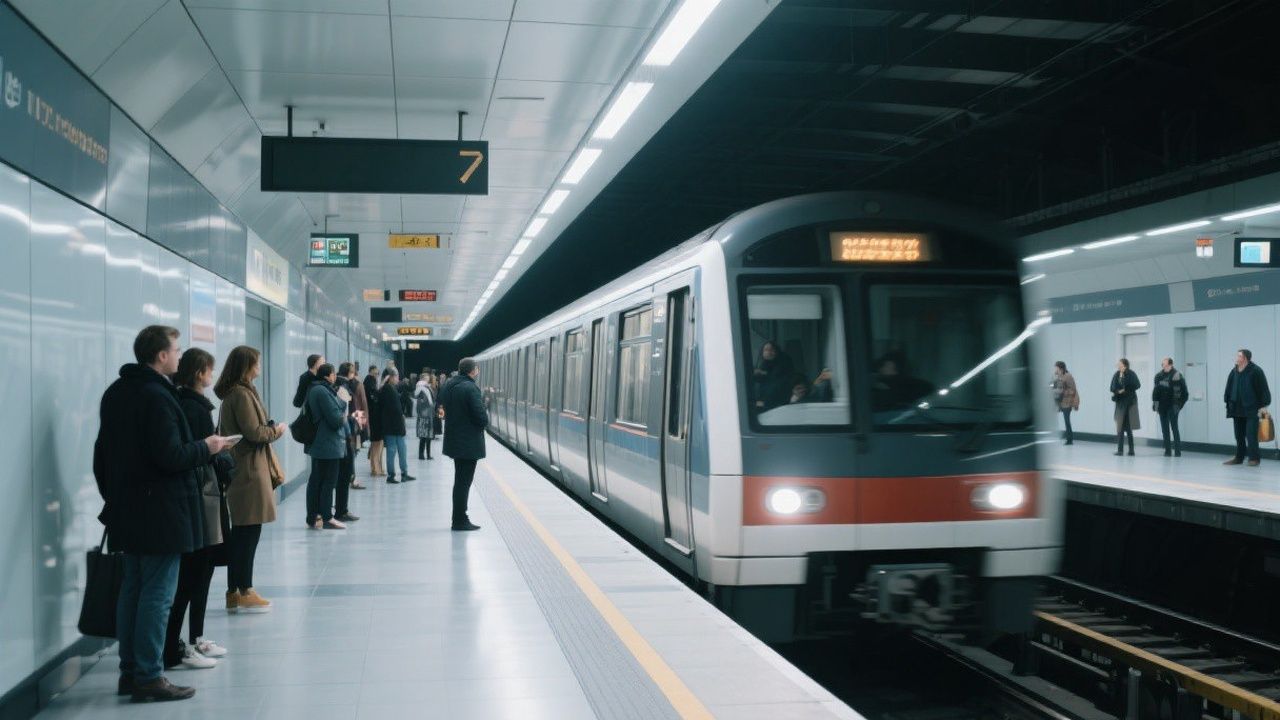
The Hotel MyStays Asakusa-bashi, a 10-minute walk from Asakusa proper, offers rooms from 5,500 yen ($36 USD) per night and has the advantage of being directly adjacent to Asakusa-bashi Station on the JR Sobu Line, which provides direct access to Akihabara, Shinjuku, and Tokyo Station without transfers. The neighborhood is quieter than central Asakusa but has plenty of convenience stores and local restaurants.
Seasonal Pricing Patterns
Tokyo hotel prices fluctuate dramatically by season, and timing your booking correctly can save 30-50% on room rates. The cheapest months are January and February, when cold weather and the post-holiday lull drive occupancy down. I've booked APA Hotel rooms in Shinjuku for 5,200 yen ($34 USD) per night in late January — a rate that would be 10,000+ yen ($66+ USD) in April. The trade-off is the weather: January temperatures in Tokyo average 2-10°C (36-50°F), and while the city is perfectly navigable, you'll spend more time indoors than you would in spring or autumn.
The most expensive periods are late March to mid-April (cherry blossom season), Golden Week (late April to early May), Obon (mid-August), and the year-end holidays (late December to early January). During cherry blossom season, even budget hotels double their rates. The Richmond Hotel in Asakusa that I mentioned earlier jumps from 8,500 yen to 14,000 yen per night. If you must visit during cherry blossom season, book at least 2-3 months in advance and consider staying in a less central neighborhood like Kita-Senju or Nakano, where prices increase less dramatically.
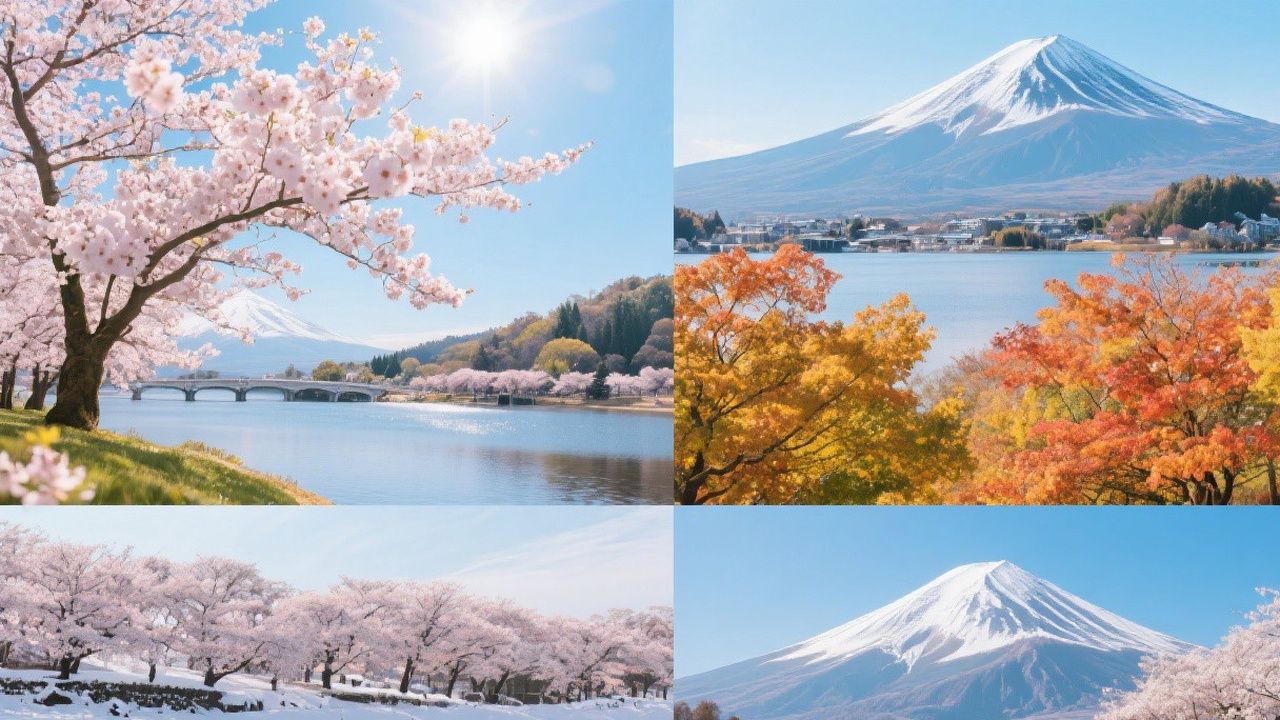
The shoulder months of November and early December offer an excellent balance of weather and pricing. November brings autumn foliage (koyo), which is beautiful in Tokyo's parks and temple gardens, and hotel rates are 15-25% lower than during cherry blossom season. I visited Tokyo in late November and paid 7,000 yen ($46 USD) per night at a Dormy Inn in Ueno, with daytime temperatures around 15°C (59°F) — perfect for walking. Early December, before the year-end rush, is another value window with mild weather and manageable crowds.
Booking Japanese Hotel Websites
One of the most effective ways to save on Tokyo hotels is to book through Japanese booking platforms instead of international ones. Rakuten Travel, Japan's largest online travel agency, frequently offers rates 10-20% lower than Booking.com or Agoda for the exact same hotel and room type. The site is available in English and accepts international credit cards. I've compared rates across platforms for dozens of Tokyo hotels and Rakuten Travel is cheaper roughly 70% of the time. The savings add up: on a 7-night stay, a 15% discount on a 7,000-yen room saves 7,350 yen ($49 USD) — enough for several excellent meals.
Japanican (formerly JTB) is another Japanese booking site worth checking. It specializes in packaged deals that combine hotel stays with activities, transit passes, or restaurant vouchers. I booked a package through Japanican that included two nights at a business hotel in Shinjuku plus a Suica IC card preloaded with 3,000 yen for 18,000 yen ($120 USD) total — roughly 20% less than booking the hotel and transit card separately. The packages change frequently, so check the site a few weeks before your trip.
Booking directly through the hotel's own website can also yield savings. Many Japanese hotel chains offer a "direct booking discount" of 5-10% for reservations made through their official site. APA Hotel, Dormy Inn, and Sotetsu Fresa Inn all offer this. The advantage of direct booking is also flexibility — cancellation policies tend to be more lenient when you book directly. I always check the hotel's direct rate, Rakuten Travel, and one international platform (usually Booking.com) before committing to a reservation. It takes 10 minutes and consistently saves me money.
Essential Tips to Keep in Mind
- Book at least 4-6 weeks in advance for the best rates. Last-minute bookings in Tokyo are almost always more expensive.
- Check the hotel's proximity to a train or metro station. In Tokyo, "5 minutes from the station" means a genuinely walkable distance. "15 minutes from the station" means you'll regret it after a long day of sightseeing.
- Look for hotels with launderettes. Most Dormy Inn and APA Hotel properties have coin-operated washers and dryers, which saves money on laundry compared to using a service.
- Single rooms are significantly cheaper than double rooms. If you're traveling solo, always book a single — the savings are 30-40%.
- Download the Google Maps offline map of Tokyo before you arrive. Hotel addresses in Japan can be confusing for GPS, and having the offline map as a backup is invaluable.
- Check-in is typically 3 PM and check-out is 10 AM. Some hotels offer early check-in or late check-out for a fee of 1,000-2,000 yen.
Frequently Asked Questions
How much does a budget hotel in Tokyo cost? Single rooms at business hotel chains start around 5,000-7,000 yen ($33-$46 USD) per night. Private rooms at hostels start around 3,500 yen ($23 USD). Expect to pay 8,000-12,000 yen ($53-$80 USD) for a double room in a central location.
Are budget hotels in Tokyo clean? Yes. Japanese hotels, regardless of price, maintain extremely high cleanliness standards. I've never encountered a dirty room in a Japanese business hotel.
Do budget hotels in Tokyo provide Wi-Fi? Almost all provide free Wi-Fi. Connection speeds are generally fast and reliable.
Is it necessary to book in advance? During peak seasons (cherry blossom, Golden Week, year-end), yes — book 2-3 months ahead. During off-peak months, you can often find availability a week or two in advance, but rates are better with early booking.
Final Thoughts
Tokyo proves that budget accommodation doesn't have to mean budget experience. The city's business hotel chains deliver clean rooms, comfortable beds, excellent service, and often surprising amenities (onsen baths, free breakfast, late-night noodles) at prices that would be unthinkable in London, Paris, or New York. The key is knowing which chains to look for, booking through Japanese platforms for the best rates, and timing your visit to avoid the price spikes of cherry blossom season and Golden Week. Do those three things, and you'll spend less on a week of hotels in Tokyo than many travelers spend on two nights in a European capital.