Mexican Tequila and Mezcal: A Buyer's Guide to Mexico's Finest Spirits
Standing in a mezcal palenque in rural Oaxaca at 9 in the morning, watching a maestro mezcalero pull a piña — a massive, fibrous agave heart — from an underground pit oven, I realized how little I actually knew about Mexican spirits. The piña had been cooking for three days under a blanket of volcanic rocks and banana leaves, and the smell was an intoxicating mix of sweet caramel, earthy smoke, and something almost meaty. That single moment changed how I think about tequila and mezcal forever. These are not party drinks to be shot with lime and salt. They are complex, artisanal products with centuries of tradition behind them, and Mexico offers some of the best buying opportunities in the world for anyone willing to look beyond the supermarket shelf.
Tasting Notes and Selection
Tasting tequila and mezcal properly requires patience and a slightly different approach than other spirits. Forget shot glasses — the best palenques and distilleries use copitas, small clay or glass vessels that concentrate the aromas. For tequila, start with a blanco (unaged) to understand the raw agave character. A good blanco tequila from the highlands of Jalisco, like the ones from Fortaleza or Siete Leguas, will have bright citrus notes, a peppery finish, and a distinct vegetal quality that tastes like green bell pepper and fresh herbs. These typically cost 400 to 700 MXN per bottle at the distillery. Lowland tequilas, by contrast, tend to be earthier and more mineral-driven, with a slightly drier finish.
Mezcal tasting is a different beast entirely. The smoke character varies wildly depending on the production method. Espadín, the most common agave variety used in mezcal, can taste like a campfire in a pine forest or like a subtle, wispy barbecue, depending on how long the piña was roasted. I tasted a joven mezcal from Real Minero in Santa Catarina Minas that had almost no smoke at all — instead, it was floral, fruity, and reminded me of white peach and jasmine. It cost 650 MXN at the palenque and is worth every peso. Reposado and añejo mezcals, aged in oak barrels, develop vanilla, caramel, and baking spice notes but lose some of the raw agave intensity.
When selecting bottles, look for the NOM number on tequila (Norma Oficial Mexicana) which identifies the distillery. A single NOM can produce multiple brands, so a high price tag does not always mean a unique product. For mezcal, check for the CRM certification (Consejo Regulador del Mezcal) on the label, which guarantees it was produced in a designated mezcal region using traditional methods. Bottles without CRM certification may still be excellent — many small-batch producers cannot afford certification — but you are taking more of a gamble.
Cocktail Recipes to Try
While sipping spirits neat is the purist's approach, Mexican cocktails are an art form in their own right, and knowing a few recipes transforms your buying strategy. The margarita is obvious, but a properly made Tommy's Margarita (named after Julio Bermejo of Tommy's Mexican Restaurant in San Francisco) uses agave nectar instead of orange liqueur and lets the tequila shine. Use a blanco tequila with strong citrus notes — I like Olmeca Altos for this at around 350 MXN per bottle. The ratio is simple: 2 ounces tequila, 1 ounce fresh lime juice, 0.75 ounce agave nectar. Shake hard and serve over a single large ice cube.
For mezcal, the mezcal negroni is a revelation. Replace the gin in a classic negroni with a moderately smoky joven mezcal, and the drink takes on an entirely new dimension. I use 1 ounce mezcal, 1 ounce Campari, and 1 ounce sweet vermouth, stirred and served with an orange peel. The smoke from the mezcal interacts with the bitterness of the Campari in a way that is genuinely addictive. A paloma made with mezcal instead of tequila is another winner — the grapefruit soda tames the smoke beautifully. Use a milder espadín mezcal for this, something under 45 percent ABV, so the agave character does not overpower the grapefruit.
One cocktail that most visitors to Mexico encounter but rarely make at home is the paloma with a Tajín rim. Tajín is a chili-lime-salt seasoning sold in virtually every Mexican grocery store for about 15 MXN per packet. Rub a lime wedge around the rim of your glass, press it into Tajín, and fill with your paloma. The combination of sweet, sour, salty, and spicy is the essence of Mexican flavor culture, and a bottle of Tajín weighs almost nothing in your luggage.
Tequila vs Mezcal Differences
The fundamental difference between tequila and mezcal comes down to geography and production methods. Tequila can only be made from Blue Weber agave (agave tequilana) and only in five Mexican states: Jalisco, Nayarit, Guanajuato, Michoacán, and Tamaulipas. Mezcal, on the other hand, can be made from over 30 different agave varieties and is produced in nine states, with Oaxaca accounting for roughly 80 percent of total production. This diversity of agave species is what makes mezcal so much more varied in flavor than tequila.
Production methods differ dramatically as well. Most tequila is produced in industrial stainless steel autoclaves or brick ovens, using mechanical shredders and commercial yeast. The result is consistent, clean, and relatively predictable. Mezcal is often produced in far more rustic conditions. The piñas are roasted in underground pit ovens (hornos), crushed by a horse-drawn stone wheel (tahona), fermented in wooden vats with wild yeast, and distilled in clay or copper pot stills. Each step introduces variability, which is why two bottles of mezcal from the same village can taste completely different from one another.
The price difference is also significant. A decent entry-level tequila starts around 200 MXN in a Mexican supermarket, while entry-level mezcal typically begins at 300 to 400 MXN. Premium and rare mezcals — especially those made from wild-harvested agave varieties like tobala, tepeztate, or sierrudo — can cost 1,500 to 4,000 MXN or more. These wild agaves take 15 to 30 years to mature, and some varieties cannot be cultivated at all, making them genuinely limited products.
Mezcal Producing States
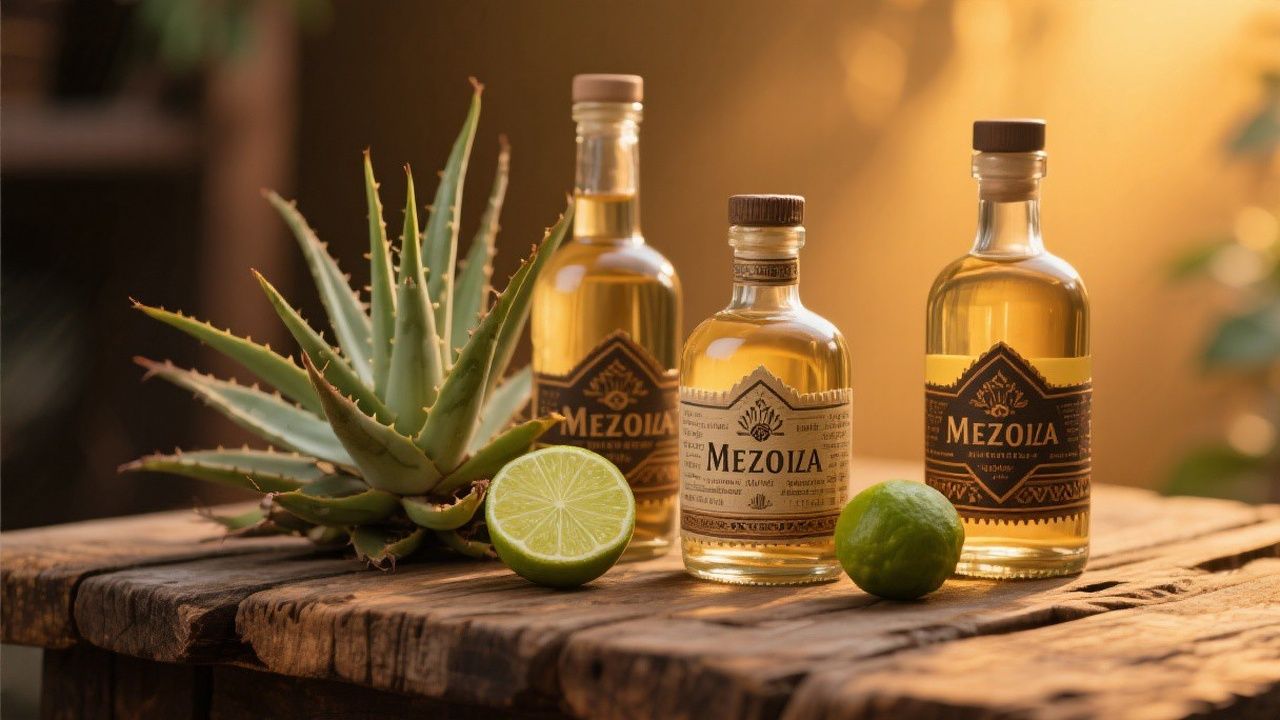
Oaxaca is the heartland of mezcal production, and the villages surrounding the city are where the magic happens. Santiago Matatlán, about 45 minutes south of Oaxaca City, calls itself the "World Capital of Mezcal" and has dozens of family-run palenques open to visitors. I spent a full day there with a guide arranged through my hotel, visiting three palenques and tasting over 20 different mezcals. The cost was about 800 MXN for the guide plus whatever bottles I bought. Most palenques sell directly to visitors at prices 30 to 50 percent below what you would pay in Oaxaca City shops.
Beyond Oaxaca, Durango has emerged as an exciting mezcal region. The high-altitude desert environment produces mezcals with a distinct minerality and bright, crisp finish. Brands like Mezcal Don Mateo de la Sierra source from Durango and are available in specialty shops in Mexico City for 500 to 800 MXN. Guerrero and Michoacán also produce excellent mezcals, though they are harder to find outside of their home states. In Guerrero, the mezcal tends to be fruitier and less smoky, while Michoacán mezcals often have a pronounced herbal character.
Zacatecas, in north-central Mexico, is the birthplace of mezcal de pechuga, a unique style where the distillate is redistilled with a raw chicken breast, fruits, and spices suspended inside the still. The chicken breast supposedly absorbs harsh impurities while adding subtle savory notes. It sounds bizarre, but the result is a complex, slightly creamy spirit with layers of fruit and spice. A bottle of mezcal de pechuga from a reputable producer in Zacatecas costs 800 to 1,200 MXN and makes for an incredible conversation piece back home.
Essential Tips to Keep in Mind
- Buy directly from distilleries and palenques whenever possible. Prices are significantly lower, and you get to taste before purchasing. Many tequila distilleries in the Tequila Valley offer free tours with tastings.
- Check your airline's liquid allowance. Most international carriers allow 5 liters of alcohol per person in checked luggage, but bottles above 70 percent ABV may be restricted. Declare all spirits at customs.
- Avoid buying spirits at airport duty-free shops unless you have verified the price against local sources. Airport markup on Mexican spirits can be 20 to 40 percent higher than distillery prices.
- Look for "100% agave" on tequila labels. Tequila labeled simply "mixto" contains up to 49 percent non-agave sugars and is generally lower quality. All mezcal labeled with CRM certification must be 100% agave.
- Wrap bottles in clothing or bubble wrap in your checked luggage. Mexican airport security does not always handle bags gently, and a broken bottle of mezcal will ruin your clothes and your mood.
Frequently Asked Questions
How much tequila or mezcal can I bring home? Most countries allow 1 to 2 liters duty-free, with additional liters subject to duty. Check your specific country's customs regulations. In the United States, residents over 21 can bring back 1 liter duty-free and pay duty on additional liters.
Is the worm in mezcal real? The "worm" (actually a gusano, or agave snout weevil larva) is a marketing gimmick that originated in the 1940s and has nothing to do with traditional mezcal production. Quality mezcal producers do not put worms in their bottles. If you see one, it is almost certainly a lower-tier product aimed at tourists.
What is the best tequila for the price? For everyday sipping, Cazadores Blanco (around 250 MXN) and Espolòn Blanco (around 300 MXN) offer excellent value. For a step up, Tequila Ocho Plata (around 500 MXN) is a single-estate tequila with remarkable complexity for the price.
Final Thoughts
Mexico's agave spirits are among the most misunderstood and underappreciated products in the world of alcohol. Behind every bottle of quality tequila or mezcal is a story of land, labor, and tradition that stretches back generations. I have visited distilleries where the same family has been producing mezcal for over 200 years, using methods that have barely changed since the colonial era. Buying these spirits in Mexico — directly from the people who make them — is not just a shopping trip. It is an education, a cultural exchange, and a way to support communities that are keeping an extraordinary tradition alive. Bring home a bottle, share it with friends, and tell them the story of where it came from.