Indonesian Batik: A Complete Guide to Buying Authentic Batik Textiles
I bought my first piece of batik in Yogyakarta at a tiny shop on Jalan Malioboro, and I had absolutely no idea what I was looking at. The vendor spread a bolt of deep indigo fabric across the counter, and the intricate pattern of stylized birds and flowers seemed to shimmer under the fluorescent lights. He told me it was tulis batik — hand-drawn — and wanted 800,000 IDR for two meters. I bargained him down to 600,000 IDR and felt pleased with myself. It was only later, after visiting a batik workshop in Solo and watching an artisan spend three days applying wax to a single piece of cloth, that I understood what an extraordinary bargain I had gotten. Indonesian batik is not just fabric. It is wearable art, cultural heritage recognized by UNESCO, and one of the most meaningful souvenirs you can bring home from Indonesia.
Care and Maintenance
Proper care makes the difference between a batik piece that lasts decades and one that fades after a few washes. The golden rule for genuine tulis and cap batik is to wash it by hand in cold water using a mild detergent or, even better, a dedicated batik soap like lerak (soapberry). Lerak soap is made from the fruit of the Sapindus rarak tree and has been used in Java for centuries to clean delicate textiles without stripping the wax or dye. You can buy it at any traditional market in Java for about 5,000 to 10,000 IDR per packet. Dissolve a small amount in cold water, gently agitate the fabric for two to three minutes, and rinse thoroughly. Never wring or twist the fabric — roll it in a clean towel and press to remove excess water.
Drying is equally important. Hang batik in the shade, never in direct sunlight. UV exposure is the single biggest enemy of natural dyes, and even a few hours of strong Javanese sun can cause noticeable fading. I made this mistake with a beautiful indigo batik shirt I bought in Solo, leaving it on a balcony line for an entire afternoon. The left side faded noticeably, creating an uneven color that I could not fix. Now I dry all my batik indoors, laid flat on a towel, and it has made an enormous difference in color retention.
Ironing should be done on the reverse side at a low to medium temperature. Some batik pieces, particularly those with residual wax, may leave a slight residue on your ironing board — place a clean cloth between the iron and the batik to prevent this. For storage, wrap batik in acid-free tissue paper and store it flat in a cool, dry place. Avoid plastic bags, which trap moisture and can cause mildew in Indonesia's humid climate. If you are bringing batik home in your suitcase, layer it between dry cleaning bags or tissue paper and keep it away from liquids and cosmetics.
Batik Workshops and Classes

Taking a batik class in Indonesia is one of the most rewarding cultural experiences available to travelers, and it completely changes how you evaluate and appreciate the textiles. In Yogyakarta, Batik Winotosastro on Jalan Tirtodipuran has been offering workshops for over 30 years. A half-day class costs about 150,000 IDR and includes all materials, instruction, and a piece of fabric you take home. You start by learning to use the canting — a small copper vessel with a spout for applying hot wax to cloth — and within an hour, you develop an enormous respect for the precision required. My first attempt looked like a child's finger painting, but the instructor patiently guided me through the basics, and by the end of the session, I had created a small coaster with a passable parang pattern.
In Solo, the Batik Keris workshop near the Kasunanan Palace offers a more intensive full-day experience for about 350,000 IDR. This includes a factory tour, a detailed explanation of the dyeing process, and a longer hands-on session where you create a larger piece — typically a scarf or table runner. The instructors here are working artisans who produce batik for the Keris brand, so you are learning from people who do this every day for a living. The workshop also includes a traditional Javanese lunch, which is a nice touch.
For something more immersive, the village of Kebon in Central Java offers homestay programs where you live with a batik-making family for two to three days. These cost about 500,000 to 800,000 IDR per day including accommodation, meals, and daily instruction. You will learn the complete process from preparing the cloth to applying the final dye bath, and you come away with a genuine understanding of why hand-drawn batik is so expensive and so valued. Contact the Yogyakarta tourism office for recommendations on current homestay options, as availability varies by season.
Types of Batik Techniques
Understanding the three main types of batik is essential before you start shopping, because the price difference between them is enormous and the quality varies just as dramatically. Batik tulis (hand-drawn batik) is the finest and most expensive. An artisan uses a canting to apply hot wax dot by dot and line by line onto the fabric, creating the pattern entirely by hand. A single piece of tulis batik can take anywhere from one week to several months depending on the complexity of the design. A two-meter length of tulis batik cotton typically costs 500,000 to 3,000,000 IDR, with silk pieces commanding 2,000,000 to 10,000,000 IDR or more.
Batik cap (stamped batik) uses a copper stamp (cap) to apply the wax pattern mechanically. A skilled cap worker can stamp an entire piece of fabric in a fraction of the time required for tulis, which brings the price down considerably. A two-meter piece of cap batik costs 100,000 to 400,000 IDR. The patterns are still applied with wax and dyed in the traditional manner, so cap batik is genuine batik — it is simply less labor-intensive. The quality can be excellent, and some cap patterns are incredibly intricate. The main limitation is that each cap stamp produces an identical pattern, so there is less uniqueness per piece.
Batik printing (batik cetak or batik print) is where you need to be careful. Printed batik uses industrial printing machines to apply patterns that mimic the look of batik but involve no wax or traditional dyeing process whatsoever. These are mass-produced and very cheap — 30,000 to 80,000 IDR for two meters — but they are not real batik. The easiest way to identify printed batik is to check both sides of the fabric. Genuine tulis and cap batik have visible color penetration on both sides because the dye seeps through the wax-resisted areas. Printed batik is typically vivid on one side and noticeably faded on the reverse.
Meaning of Batik Patterns
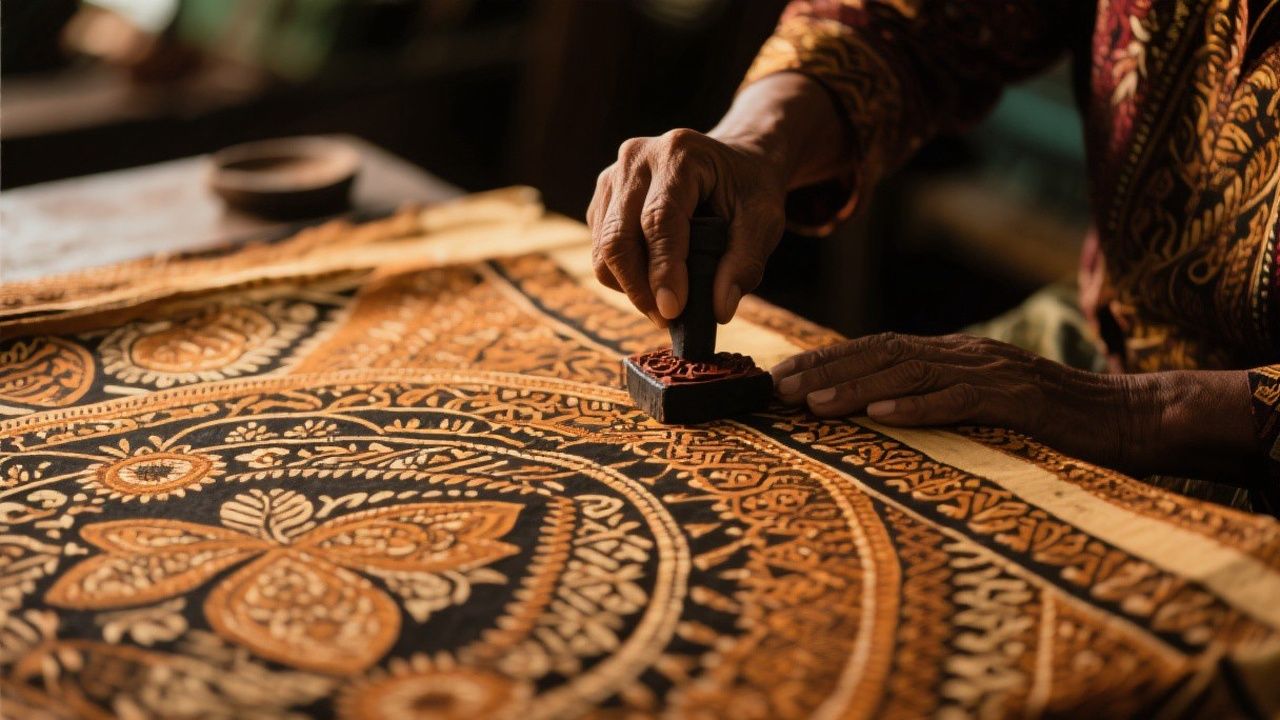
Every traditional batik pattern carries symbolic meaning, and knowing even a few of the most common motifs enriches the buying experience enormously. The parang pattern, one of the oldest and most sacred Javanese designs, features a series of diagonal blade-like motifs. It was traditionally reserved for the Javanese royal court and symbolizes strength, power, and continuity. Wearing parang to certain formal events in Java still carries cultural significance, and some older Javanese people may raise an eyebrow if they see a foreigner wearing it to a casual dinner. I bought a parang shirt in Solo and wore it to a wedding reception, and the Javanese guests were genuinely impressed that I knew what the pattern represented.
The kawung pattern, with its four-petal oval shapes arranged in intersecting circles, represents the kawung fruit (a type of palm fruit) and symbolizes hope, justice, and harmony. It is one of the oldest batik patterns in Java and was also associated with royalty. The mega mendung (rain cloud) pattern from Cirebon, West Java, features stylized cloud formations in graduated shades of blue and represents patience and the passage of time. It is one of the most visually striking patterns and is popular on scarves and wall hangings.
Contemporary batik artists have created modern patterns that incorporate traditional motifs with new themes — cityscapes, endangered animals, and abstract designs. These are widely available in Jakarta boutiques and online, and they represent the evolution of batik from a traditional craft to a living art form. Prices for contemporary designer batik vary widely, from 300,000 IDR for a simple cotton dress to 5,000,000 IDR or more for a hand-drawn silk piece from a recognized artist.
Essential Tips to Keep in Mind
- Always check both sides of the fabric. Genuine wax-resist batik shows color on both sides. If the pattern is sharp on one side and faint on the other, it is almost certainly printed.
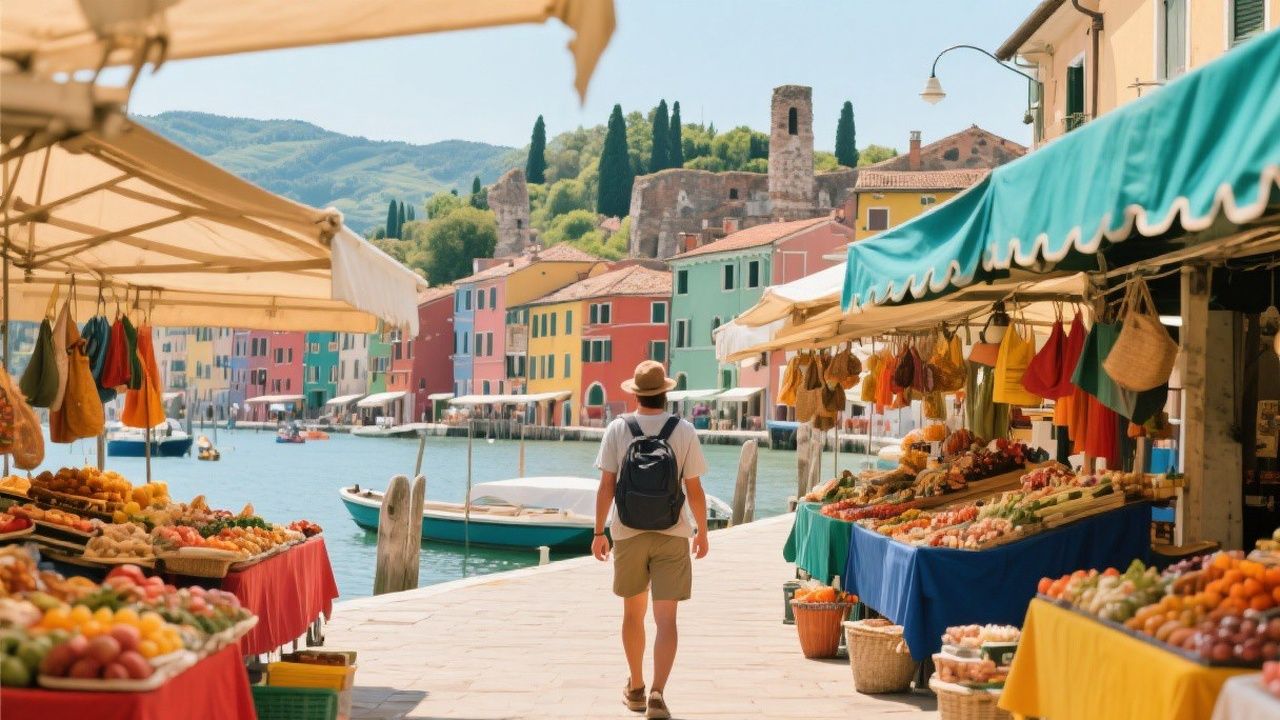
- Visit the Pasar Klewer in Solo for the largest selection of batik in Indonesia. This massive textile market has hundreds of stalls across several floors, and prices are 20 to 40 percent lower than tourist shops in Yogyakarta or Bali.
- Negotiate at markets but respect the work. For genuine tulis batik, remember that the price reflects weeks or months of labor. A 10 to 15 percent discount is reasonable; demanding 50 percent off is insulting.
- Buy batik fabric by the meter (kain) rather than pre-made clothing if you want the best value. Having a piece tailored into a shirt or dress in Indonesia costs 100,000 to 300,000 IDR and takes one to three days.
- Avoid buying batik from hotel gift shops unless you are willing to pay a significant premium. The same pieces available at Pasar Klewer for 200,000 IDR can cost 600,000 IDR or more in a hotel shop.
Frequently Asked Questions
How can I tell if batik is hand-drawn or stamped? Look closely at the pattern with a magnifying glass or your phone camera zoomed in. Tulis batik shows slight irregularities in the wax lines — tiny variations in thickness, small dots where the canting paused. Cap batik has more uniform lines but may show small gaps or overlaps where the stamp was pressed. Printed batik has perfectly uniform, machine-precise patterns with no wax resist texture at all.
Is batik a good gift? Absolutely. Batik scarves, table runners, and wall hangings make exceptional gifts because they are lightweight, easy to pack, and genuinely unique. A hand-drawn batik scarf (about 1.8 meters long) costs 200,000 to 500,000 IDR and is something the recipient will keep for years.
Can I wash batik in a washing machine? Hand-drawn and stamped batik should always be hand-washed in cold water. Machine washing, even on a gentle cycle, can damage the wax resist and cause colors to bleed. Printed batik can handle machine washing, but it is still best to use cold water and a gentle cycle.
Final Thoughts
Indonesian batik is one of those rare things in travel that is simultaneously beautiful, culturally significant, and practically useful. A well-chosen piece of batik becomes a part of your wardrobe, your home, and your memory of Indonesia all at once. I have batik scarves that I wear to work, batik table runners that my guests always comment on, and a framed tulis piece hanging in my hallway that reminds me of that first amazed afternoon in Yogyakarta. Take the time to learn the basics, visit a workshop, and buy from the artisans themselves. The fabric you bring home will carry more meaning than anything else in your suitcase.