The Best Cashmere to Buy in Nepal: Quality, Price, and Shopping Guide
I bought my first pashmina shawl in Kathmandu's Thamel district on a rainy October afternoon, from a small shop with no sign outside and no other customers. The owner, Rajendra, spread a dozen shawls across a wooden table and walked me through the differences between pure pashmina, silk-pashmina blends, and synthetic imitations. He showed me how genuine pashmina feels almost weightless, passes through a ring without catching, and warms your skin on contact. I bought two pure pashmina shawls for 4,500 rupees each, roughly USD 35. Five years later, they show no signs of wear.
Nepal's pashmina industry is concentrated in the Kathmandu Valley, where an estimated 10,000 people work in weaving, dyeing, and finishing. The raw material for Nepal cashmere comes from Chyangra goats on the Nepalese and Tibetan plateaus, which produce ultra-fine underfleece harvested each spring. Genuine pashmina fiber measures 12 to 15 microns in diameter, compared to 15 to 19 microns for standard cashmere from Mongolia or China. This finer diameter means softer, lighter, warmer fabric. Understanding these distinctions is essential for anyone shopping for Nepal cashmere products.
Fair Trade and Cooperatives
Nepal's pashmina industry has faced criticism over labor practices, including historical child labor concerns. Reforms since the 2000s have improved conditions significantly, and a growing number of producers operate under fair trade certification. The Fair Trade Group Nepal, established in 2004, represents over 40 member organizations guaranteeing fair wages, safe conditions, and no child labor.
Mahaguthi Craft with a Conscience, on Lazimpat Road in Kathmandu, is one of the best-known fair-trade retailers. Founded in 1984, it works with over 1,000 artisans and sells pashmina alongside other handicrafts. A pure pashmina shawl costs 5,000 to 12,000 rupees. Prices are higher than Thamel tourist shops, but quality and ethical standards are guaranteed. The Dhaka Weave Cooperative in Bhaktapur, 14 kilometers east of Kathmandu, produces pashmina-cotton blend shawls on traditional looms. Blends cost 2,500 to 4,000 rupees, pure pashmina 6,000 to 10,000 rupees. The cooperative is open daily 9 AM to 5 PM with free entry and weaving demonstrations.
Cashmere vs Pashmina Explained

Cashmere refers to any goat down fiber 19 microns or less from various breeds across Mongolia, China, Iran, and Afghanistan. Pashmina specifically refers to Chyangra goat underfleece at 12 to 15 microns, making it significantly finer. In the Nepalese market, pashmina describes the finest local grade, while cashmere refers to slightly thicker fibers, often silk-blended. A pure pashmina shawl is 100 percent Chyangra fiber. A 70/30 pashmina-silk blend is more durable with a subtle sheen but not as soft. Pure pashmina costs 5,000 to 15,000 rupees for a 200-by-70-centimeter shawl. Silk blends cost 2,500 to 6,000 rupees.
The synthetic market is enormous. Viscose, polyester, and acrylic shawls are sold as "pashmina" for 300 to 800 rupees in Thamel. The simplest test is burning a loose thread: genuine pashmina burns to fine ash smelling like burning hair. Synthetics melt into hard plastic beads. Most reputable shops allow this test. If they refuse, walk away.
Pashmina Weaving Process
Traditional pashmina weaving is entirely manual and time-consuming. Raw fiber is cleaned, sorted, and hand-spun on a charkha spinning wheel, producing an irregular thread that gives hand-woven pashmina its characteristic softness and drape. Machine-spun thread produces a smoother but less luxurious fabric. Weaving is done on handlooms, typically by women who learned from their mothers. A skilled weaver produces one to two shawls per day. After weaving, pieces are washed, stretched on frames, and finished by hand, including trimming and sometimes hand-embroidered borders.
Visiting a weaving workshop is one of Kathmandu's most rewarding experiences. Several Thamel and Patan shops have working looms and welcome visitors. The Nepal Pashmina Industry Association maintains a list of member workshops meeting quality and ethical standards. I visited a Patan workshop through the association and watched a weaver named Sita complete a shawl while her daughter played at her feet. The finished piece sold for 7,500 rupees, and knowing the hands that made it transformed the purchase entirely.
Quality Grades and Pricing
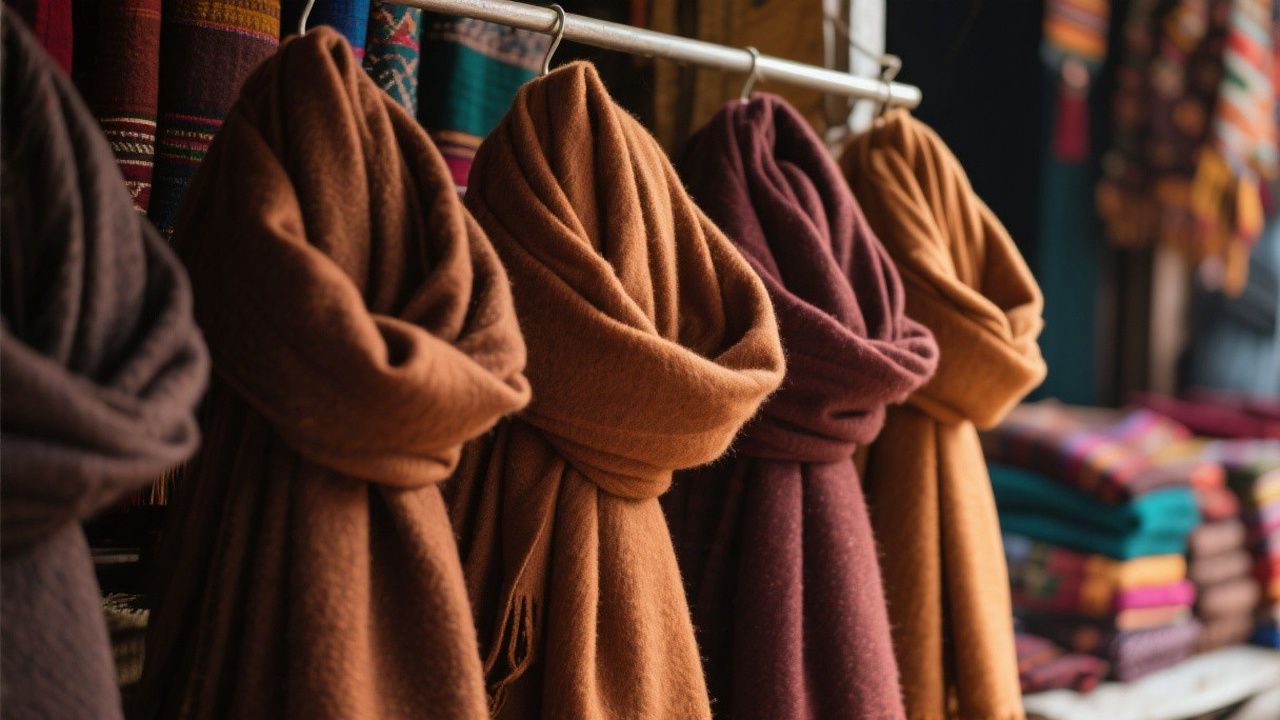
Pashmina is graded by fiber fineness, weave density, and silk content. Grade-A royal pashmina uses 12 to 14 micron fibers with 80-plus threads per inch. These are incredibly soft and warm, starting at 8,000 rupees for a standard shawl and reaching 25,000 rupees for large, intricate pieces. Grade-B uses 14 to 16 micron fibers at 60 to 80 threads per inch, costing 4,000 to 8,000 rupees. Grade-C at 16 to 19 microns with looser weave is the most affordable genuine option at 2,000 to 4,000 rupees. Below grade-C, you are in synthetic territory.
Pricing varies between tourist areas and local markets. Thamel shops charge 30 to 50 percent above local market rates. The Indra Chowk wholesale market in central Kathmandu offers better prices but requires more effort. A grade-B pure pashmina shawl costing 5,000 rupees in Thamel might sell for 3,000 to 3,500 rupees at Indra Chowk. The trade-off is fewer English-speaking vendors and less polished presentation. For serious buyers, the savings are substantial.
Essential Tips to Keep in Mind
- Perform the burn test on a loose thread. Real fiber burns to ash; synthetic melts to plastic.
- Buy from fair-trade certified shops or cooperatives to ensure ethical production and fair wages.
- Compare Thamel tourist prices with Indra Chowk wholesale market. Savings of 30 to 50 percent are common.
- Ask about fiber composition. Pure pashmina is softer and warmer but more delicate than silk blends.
- Check weave density by holding the shawl to light. Higher thread counts produce tighter, more durable fabric.
- Negotiate in tourist shops but respect fair-trade fixed prices that reflect fair artisan wages.
- Hand-wash pashmina in cold water with mild soap. Never machine wash. Dry flat on a towel.
Frequently Asked Questions
How much does genuine pashmina cost in Nepal?
A pure pashmina shawl costs 4,000 to 15,000 rupees (USD 30 to USD 115) depending on grade, size, and location. Silk blends cost 2,500 to 6,000 rupees. Synthetics at 300 to 800 rupees should be avoided.
Is Nepalese pashmina better than cashmere from other countries?
Nepalese pashmina from Chyangra goats is finer (12 to 15 microns) than most cashmere (15 to 19 microns), making it softer and warmer. Hand-weaving also produces superior drape compared to machine-woven Chinese or Mongolian cashmere.
How do I care for pashmina?
Hand-wash in cold water with gentle wool soap, rinse, and dry flat on a towel. Store folded in a cotton bag with cedar blocks or lavender to deter moths. With proper care, genuine pashmina lasts a lifetime.
Final Thoughts
Nepal cashmere and pashmina represent some of the finest textile crafts in the world. The difference between real pashmina and a synthetic imitation is not subtle. It is the difference between a garment lasting a lifetime and one pilling within months. Take time to learn the basics, visit the workshops, and invest in the real thing. Your wardrobe, and the artisans who made your shawl, will thank you.