The Best Converted Monasteries and Castles to Stay In Across Europe
I spent a night in a 12th-century Cistercian monastery in Portugal's Alentejo region, falling asleep in a cell that once housed monks who took a vow of silence, and woke up to the sound of church bells echoing across olive groves. That stay at the Convento do Espinheiro, now a Luxury Collection hotel, cost me 180 euros and remains one of the most memorable hotel experiences of my life — more so than any five-star city hotel I've visited. Europe is uniquely rich in heritage accommodation: monasteries, convents, castles, and palaces that have been converted into hotels, often with government subsidies that keep prices surprisingly reasonable. After staying in a dozen of these properties across Portugal, Spain, Italy, and Ireland, I've learned that sleeping in history is not just a novelty — it's often the most atmospheric, characterful, and affordable way to experience Europe's past.
What to Expect from Heritage Stays
Heritage hotels occupy a spectrum from rustic to luxurious, and managing expectations is crucial. At the rustic end, you'll find properties like the Monastero di Santa Chiara in Umbria, Italy, where rooms are simple but spotless, the walls are 600 years old, and the breakfast consists of fresh bread, homemade jam, and espresso served by a nun in a traditional habit. I paid 95 euros per night and had the entire cloistered garden to myself each evening. There's no air conditioning, no minibar, and no room service — but the silence, the stone arches, and the view of the Umbrian hills made those absences feel like features rather than drawbacks.
At the luxurious end, properties like the Ashford Castle in County Mayo, Ireland (rooms from 450 euros per night) offer every modern amenity you'd expect from a five-star hotel: a spa, fine dining, falconry experiences, and a golf course, all set within an 800-year-old castle on a 350-acre estate. I had afternoon tea in the George V dining room, surrounded by suits of armor and tapestries, and then went fly-fishing on Lough Corrib with a guide provided by the hotel. The contrast between the medieval setting and the contemporary comfort is part of the appeal.
Most heritage hotels fall somewhere in between. Expect thick stone walls (which means excellent insulation but sometimes patchy Wi-Fi), irregular room shapes (a former monk's cell is not a standard rectangle), and a sense of atmosphere that no newly built hotel can replicate. The trade-off is usually in the plumbing and electrical systems — heritage buildings often have quirky layouts where outlets are scarce and water pressure is inconsistent. Bring a power strip and a universal adapter, and treat the eccentricities as part of the experience.
Best Value Heritage Hotels
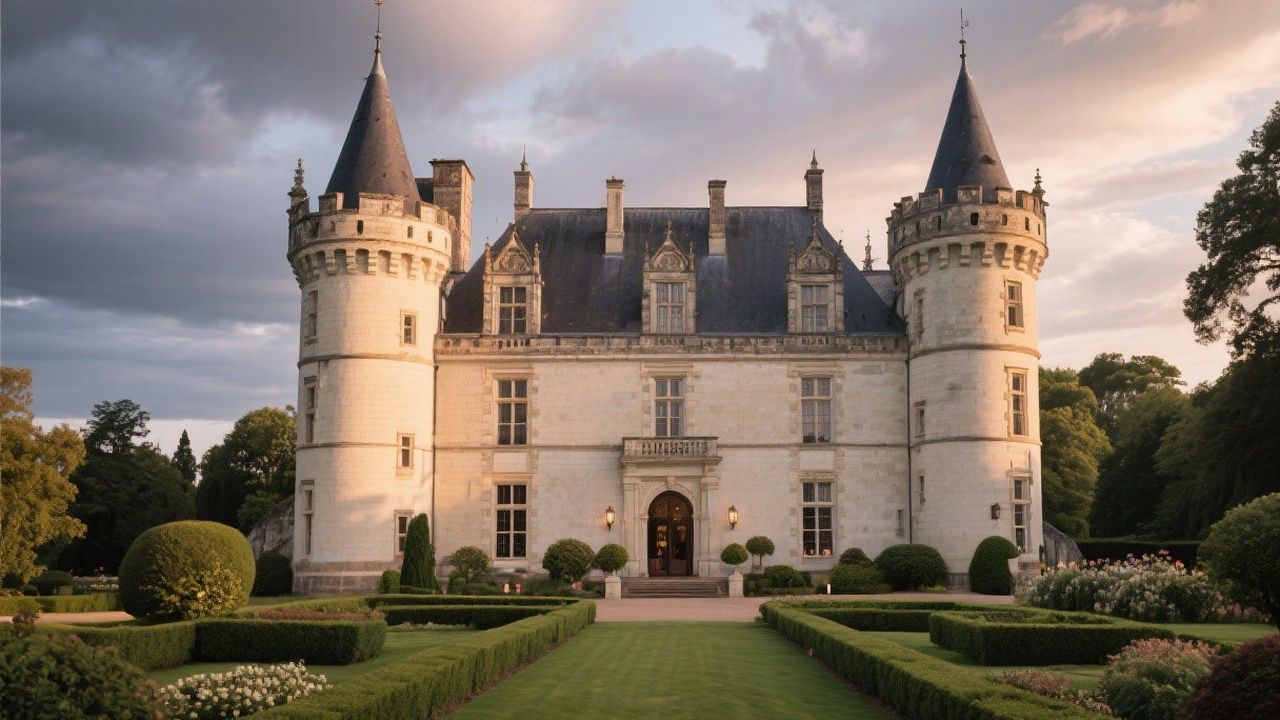
The best value in European heritage accommodation, hands down, is Spain's parador network. Paradors are state-run hotels housed in historic buildings — castles, monasteries, palaces, and convents — and the government subsidizes their operation to preserve Spain's architectural heritage. I've stayed in six paradors and have never paid more than 140 euros per night for a double room, including breakfast. The Parador de Cuenca, built into the rock face of a gorge overlooking the Hanging Houses, is one of the most visually dramatic hotels I've ever seen, and I paid 110 euros for a room with a private balcony and views of the Huécar River valley.
In Italy, the monastery and convent accommodation network is extensive and remarkably affordable. Many active monasteries and convents open spare rooms to travelers, managed through organizations like the Monasterystays website or through local diocesan offices. The Convento di San Marco in Florence, where I stayed for 80 euros per night, occupies a building designed by Michelozzo in the 15th century and contains frescoes by Fra Angelico. You literally walk past Renaissance masterpieces on your way to a simple but comfortable bedroom. The curfew (usually 10:30 PM) and the absence of in-room televisions are small prices to pay for sleeping in a museum.
Eastern Europe offers outstanding value as well. The Hotel Ružový Dvorec in Slovakia, a restored Renaissance manor house surrounded by vineyards, charges 70-90 euros per night for elegantly furnished rooms with period antiques. In Romania, the Bran Castle area has several guesthouses in converted Saxon merchant houses, many under 60 euros per night. The key to finding value is looking beyond the famous properties (Ashford Castle, Burg Eltz) and focusing on smaller, locally managed heritage hotels that don't appear on the first page of Google search results.
Portuguese Pousada Monasteries
Portugal's pousada network is, in my opinion, the finest heritage hotel system in Europe. Established in 1942, the pousadas were created to preserve Portugal's historic buildings while providing quality accommodation in regions that lacked it. Today, there are roughly 30 pousadas classified as "historic" or "nature" properties, housed in former monasteries, convents, castles, and palaces. I've stayed in four and each one delivered a distinct experience.
The Pousada Convento de Tavira, in the Algarve, occupies a 16th-century Augustinian convent in the historic center of Tavira. My room overlooked the cloistered courtyard, with its orange trees and ornamental fountain, and the hotel's restaurant served a cataplana (a traditional Algarvian seafood stew) that was one of the best meals I had in Portugal. Rates start around 140 euros per night, which is excellent value for the Algarve during peak season. The Pousada de Óbidos, housed in a medieval castle overlooking a whitewashed village, is equally atmospheric and slightly cheaper at 120-130 euros per night.
The crown jewel of the pousada network, in my experience, is the Pousada Mosteiro de Guimarães, set in a 12th-century Augustinian monastery in Portugal's medieval capital. The building's granite cloisters, Gothic church, and manicured gardens are breathtaking, and the hotel has added a contemporary wing with an indoor pool and spa that blends seamlessly with the historic structure. I paid 160 euros for a standard room in October and had the cloister almost entirely to myself at sunrise. Book through the Pousadas de Portugal website directly — they offer a 10% discount for advance bookings and frequently run promotions that include dinner or spa credits.
Modern Amenities in Historic Buildings
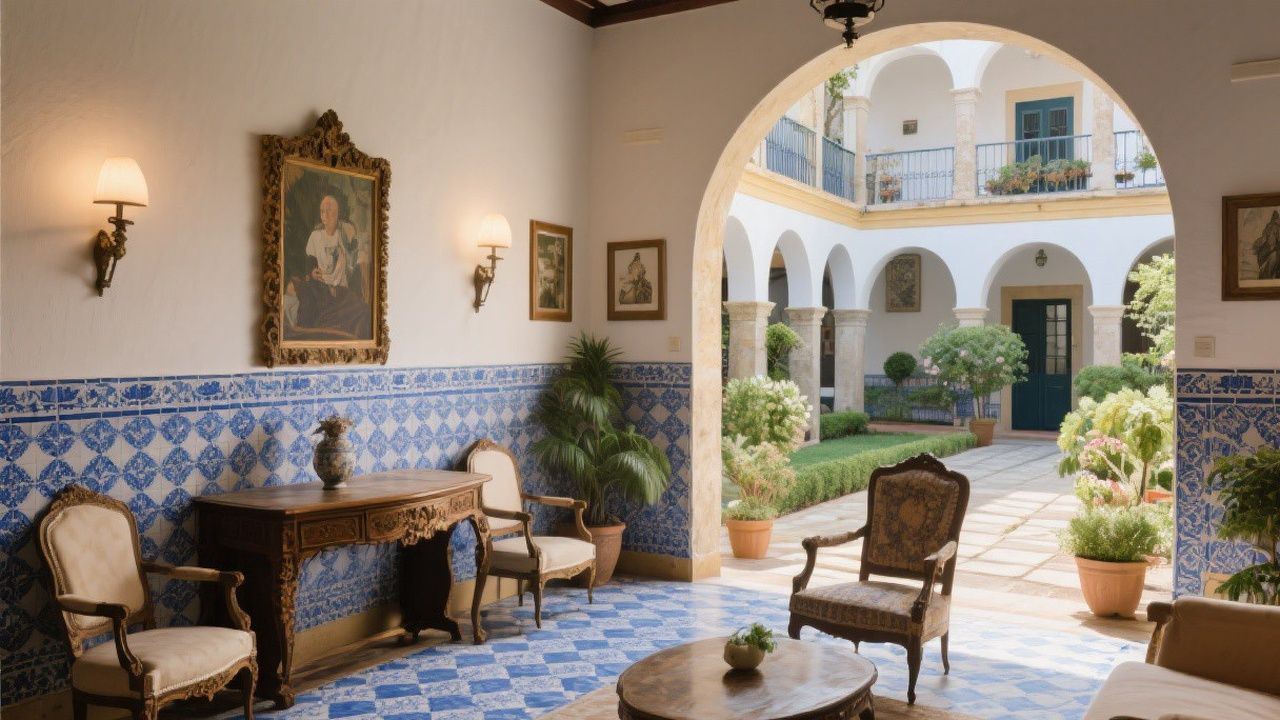
The biggest concern travelers have about heritage hotels is whether they'll be comfortable. It's a valid worry — a 14th-century castle wasn't designed with air conditioning, high-speed internet, or wheelchair accessibility in mind. But the best heritage hotels have invested heavily in modernization without compromising the historic character of their buildings. The Ashford Castle in Ireland, for example, installed a full spa with an indoor pool, a cinema, and a state-of-the-art gym, all hidden within the castle's historic walls. The Wi-Fi in the public areas was fast enough for video calls.
Climate control is the most common challenge. Thick stone walls provide natural insulation, keeping interiors cool in summer and warm in winter, but active heating and cooling systems vary. Many heritage hotels in southern Europe don't have air conditioning because the thick walls and cross-ventilation from shuttered windows keep rooms comfortable. In northern Europe, older heating systems can be slow to warm up — I've stayed in Scottish castle hotels where the room was chilly for the first hour after arrival. The solution is simple: ask about climate control when booking and request a room with modern HVAC if that matters to you.
Elevators are another consideration. Most converted monasteries and castles have multiple levels connected only by staircases, and retrofitting an elevator into a 12th-century building is often architecturally impossible. If mobility is a concern, specifically request a ground-floor room when booking. The Pousada de Belmonte in Portugal has an elevator added to a modern wing, and the Parador de Santiago de Compostela (housed in a 15th-century royal hospital) has been fully modernized with elevators and accessible rooms. Always check accessibility features in advance.
Essential Tips to Keep in Mind
- Book heritage hotels directly through their own websites for the best rates and the most flexible cancellation policies.
- Visit during shoulder season (April-May, September-October) for lower rates and fewer crowds at popular properties.
- Ask about the building's history at check-in. Many heritage hotels offer complimentary guided tours or have information panels throughout the property.
- Manage expectations on room consistency. In a converted monastery, no two rooms are alike — some are spacious, others are compact. Request a specific room type when booking.
- Check if the property has a restaurant. Many heritage hotels are in rural locations with limited nearby dining options.
Frequently Asked Questions
Are heritage hotels more expensive than regular hotels? Not necessarily. Spain's paradors and Portugal's pousadas are often cheaper than equivalent-quality standard hotels. Convent stays in Italy can be significantly cheaper.
Can children stay in converted monasteries? Most heritage hotels welcome children, but some active monasteries and convents have age restrictions or quiet hours. Check the specific property's policy.
Is Wi-Fi available in heritage hotels? Most have Wi-Fi in public areas, but coverage in guest rooms can be spotty due to thick stone walls. Ask about connectivity when booking if you need to work.
Are heritage hotels accessible for wheelchair users? Some have been modernized with ramps and elevators, but many haven't due to architectural constraints. Always contact the hotel directly to discuss accessibility needs.
Final Thoughts
Every heritage hotel I've stayed in across Europe has given me something no standard hotel can: a tangible connection to centuries of human history. Falling asleep in a room where monks prayed for 500 years, eating breakfast in a castle courtyard where knights once gathered, listening to rain on a slate roof that's been there since the 1400s — these are the moments that make travel transformative. The prices are often lower than you'd expect, the locations are frequently in regions that deserve more visitors, and the stories embedded in the walls are worth far more than any amenity a modern hotel can offer.