How to Bargain at Markets in Southeast Asia Without Being Rude
I spent three months backpacking through Southeast Asia, and honestly, my first week at Bangkok's Chatuchak Weekend Market was a disaster. I either paid full price out of guilt or walked away empty-handed because I was too aggressive. It took a conversation with a retired Thai silk vendor named Somchai at the Chiang Mai Night Bazaar to finally understand the real art of bargaining tips Southeast Asia. He told me something that stuck: "A good negotiation is like a dance, not a fight." That single piece of advice transformed how I shop at every market from Phnom Penh to Hanoi.
Building Rapport with Vendors
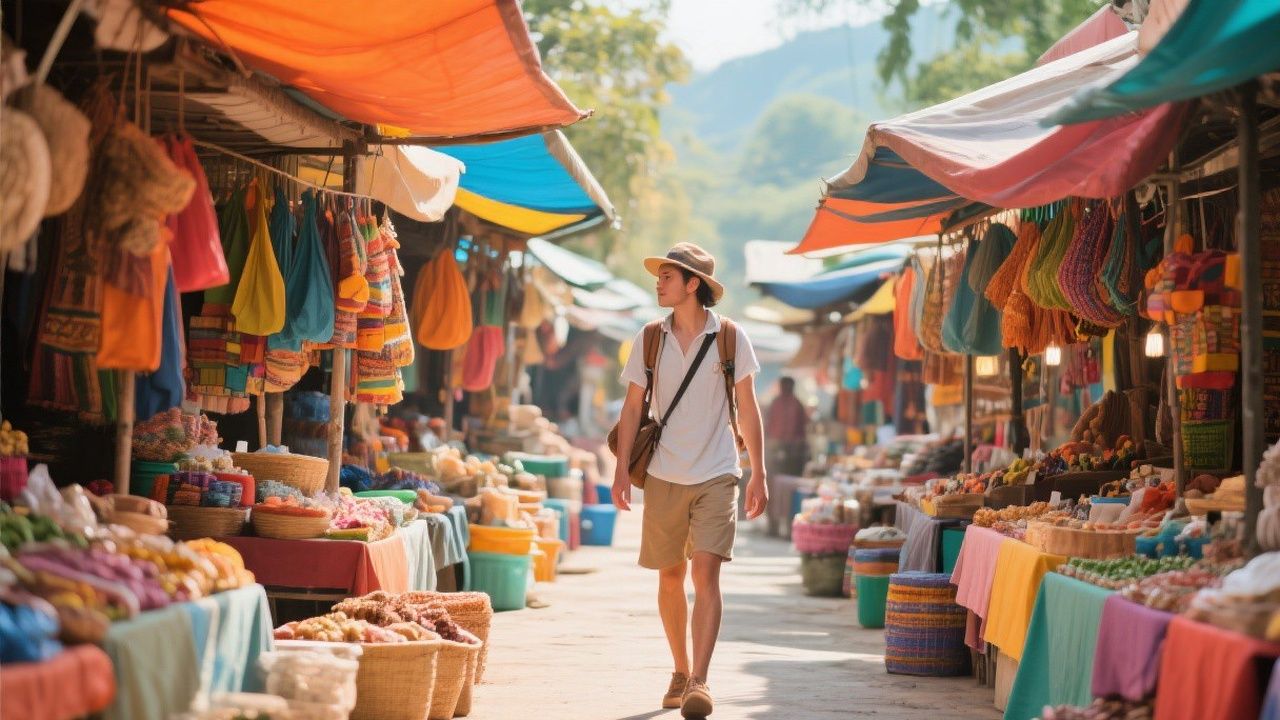
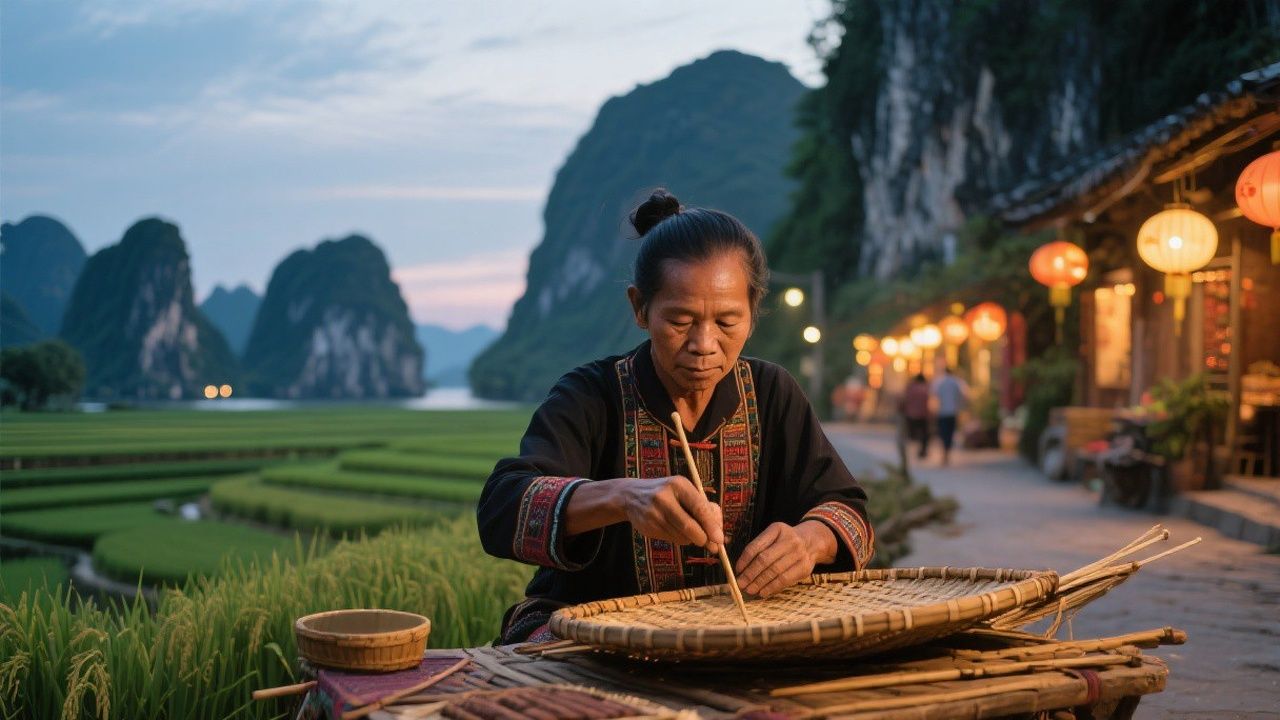
The biggest mistake first-time visitors make at Southeast Asian markets is treating the interaction like a transaction. Vendors at places like Jakarta's Pasar Seni or Manila's Greenhills Shopping Center spend 12 to 14 hours a day behind their stalls. Taking thirty seconds to smile, ask how their day is going, or compliment their products creates a connection that makes the entire negotiation smoother. I once spent five minutes chatting with a silver vendor in Ubud about the rainy season before even looking at prices. She ended up giving me a pair of earrings for 80,000 IDR (about $5) that she initially priced at 250,000 IDR, purely because we'd built genuine rapport.
Learn a few words in the local language. Saying "sawadee kha" in Thai, "terima kasih" in Malay, or "cam on" in Vietnamese before you start negotiating shows respect for the culture. At Ben Thanh Market in Ho Chi Minh City, I watched tourists who barked numbers get quoted prices 40% higher than those who greeted the vendor first.
Body Language Tips
Your body language speaks louder than any number you throw out. In most Southeast Asian cultures, pointing directly at items or people is considered rude. Instead, use an open palm gesture. Keep your facial expressions relaxed and friendly; a scowl or look of disgust at a price will offend the vendor and shut down any chance of a good deal. I learned this the hard way at the Russian Market in Phnom Penh when I visibly scoffed at a $15 price tag. The vendor simply turned away and refused to engage further.
When you're ready to make your counteroffer, do it calmly and with a smile. The walk-away is perhaps the most important body language move in your haggling guide Asia arsenal. When you've reached your maximum price, thank the vendor warmly, smile, and start walking. More often than not, especially at markets like Sampeng Lane in Bangkok, the vendor will call you back with a better offer. Don't rush this moment. Walk slowly.
Knowing When You've Got a Good Deal
One of the hardest things to gauge as a foreigner is what constitutes a fair price. After dozens of trips across the region, I've developed a rough rule of thumb: if the final price is between 40% and 60% of the initial asking price, you've done well. At tourist-heavy markets like Kuta Art Market in Bali, vendors routinely start at three to four times the local price. At more local markets like Orussey Market in Phnom Penh, the markup is typically 50% to 80%. Understanding this difference saves you both money and the awkwardness of lowballing someone who's already quoting a fair price.
Research prices online before you go. A pair of elephant pants that costs 200 THB ($6) at Chatuchak should cost roughly the same at Phuket Weekend Market. I keep a notes app on my phone with typical prices for common items: silk scarves ($5 to $15), lacquerware bowls ($8 to $25), and silver jewelry ($10 to $40). Having these benchmarks gives you confidence at the market negotiation tips table.
Bulk Buying Advantages

If you're shopping for souvenirs for multiple people back home, bulk buying is your secret weapon. Vendors at Bogyoke Aung San Market in Yangon will typically offer 20% to 30% discounts when you buy three or more of the same item. I once bought ten hand-painted coasters at the Ubud Art Market for 15,000 IDR each ($1) after the vendor initially wanted 40,000 IDR per piece. The key is to make your bulk intention clear early. Say something like, "I love these. If the price is right, I'll take five."
Traveling with friends amplifies this advantage. At the Sapa Love Market in northern Vietnam, four of us pooled our purchases from a single Hmong textile vendor. We bought six embroidered bags, three pillow covers, and two table runners for 1,200,000 VND ($50), less than half the sum of individual prices. Even if you're traveling solo, you can leverage bulk buying by combining purchases across different stalls. At Jakarta's Tanah Abang textile market, I told a batik seller I was looking to buy fabric for three shirts. She immediately dropped her per-meter price from 85,000 IDR to 55,000 IDR.
Essential Tips to Keep in Mind
- Always carry small bills and coins. Vendors at rural markets often can't break large notes, and pulling out a big bill signals you have plenty of money, weakening your position.
- Negotiate in the local currency whenever possible. Converting prices to dollars in your head and negotiating in that currency usually results in worse deals.
- Never bargain for food, medicine, or essential services. The margins on a $1.50 bowl of pho are already razor-thin.
- Set a maximum price in your head before you start and stick to it. Emotional bargaining leads to overspending.
- Shop in the late afternoon when markets are winding down. Vendors are more motivated to make final sales before packing up.
Frequently Asked Questions
Is bargaining expected at all markets in Southeast Asia?
Bargaining is expected at street markets, night markets, and independent stalls. Fixed-price stores, malls, and supermarkets do not negotiate. If you see price tags printed on laminated cards, that's usually a sign the price is firm.
What if I feel uncomfortable bargaining?
Start small. Practice with inexpensive items like keychains or postcards where the stakes are low. Most vendors are patient with tourists who are clearly trying. A simple smile and a polite "too much" while shaking your head gently works wonders.
Should I feel guilty about negotiating hard?
Not if you do it respectfully. Vendors factor bargaining into their pricing. They won't accept a price that doesn't work for them. The goal is a mutually agreeable price, not to exploit anyone.
Final Thoughts
Bargaining at Southeast Asian markets is one of the most rewarding travel experiences you can have. It's not just about saving money; it's about connecting with people, understanding local culture, and walking away with stories alongside your souvenirs. The vendor who sells you a hand-carved wooden elephant at Chiang Mai's Sunday Walking Street might also tell you which temple to visit at sunrise or where the best khao soi is served. Approach every negotiation with warmth, respect, and a genuine smile, and you'll find that the best deals come naturally.