The Ultimate Guide to Exploring Patagonia: Argentina and Chile
I arrived in El Calafate in early March — late summer in Patagonia — and the wind nearly knocked me sideways walking from the airport to the taxi stand. Patagonia is one of the windiest, most dramatic, most relentlessly beautiful places on the planet, and after two weeks splitting my time between the Argentine and Chilean sides, I can confirm that no photograph adequately prepares you for the scale of it. The glaciers alone are the size of small countries.
El Calafate Base Town
El Calafate is the primary gateway to Los Glaciares National Park and the Perito Moreno Glacier. It still feels like a frontier town with unpaved side streets, wind-bent trees, and a main drag lined with travel agencies and steak restaurants. I stayed at America del Sur hostel for about $25 USD per night in a private room — clean, heated, with helpful staff who booked my glacier tour at no extra charge.
The Laguna Nimez nature reserve, a 10-minute walk from the town center, is a wetland bird sanctuary where I saw flamingos, black-necked swans, and several species of ducks against a backdrop of Lago Argentino and the distant Andes. Entry costs 2,000 Argentine pesos (about $2.50 USD at the official rate). For food, don't miss La Tablita — the grilled lamb (cordero patagónico) is slow-roasted over an open fire and costs about 8,000 pesos per person. It's the best meal I had in Patagonia.
Wildlife Spotting Guide
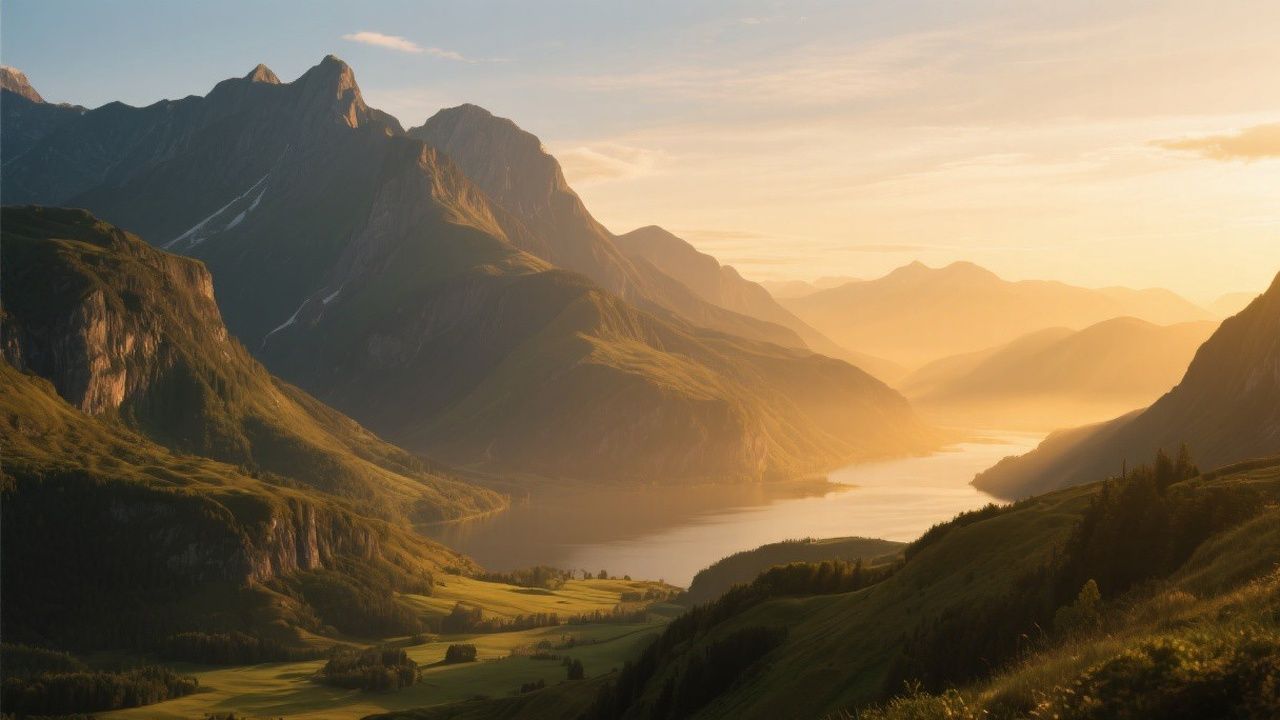
Patagonia is surprisingly rich in wildlife if you know where to look. On the Argentine side, the Valdés Peninsula (accessible from Puerto Madryn) is the standout destination. I saw southern right whales from the shoreline in Puerto Pirámides — mothers and calves surfacing within 50 meters of the beach. Boat tours cost about 7,500 ARS and get you even closer.
For marine wildlife, Punta Arenas offers boat trips to Magdalena Island, home to roughly 60,000 Magellanic penguins. The ferry takes about 2 hours each way and costs 35,000 CLP ($40 USD). Visit between November and March when the penguins are nesting.
Torres del Paine W Trek
The W Trek is the most popular multi-day hike in Torres del Paine, named for the W-shape route that hits three main valleys: the French Valley, the Grey Glacier, and the base of the Torres. I completed it in 4 days / 3 nights, the standard pace for reasonably fit hikers. The total distance is about 80 kilometers with roughly 3,500 meters of cumulative elevation gain.
Booking is critical. The park switched to a reservation system in 2018, and campsites and refugios fill up months ahead, especially for January and February. I booked through Vertice Patagonia and Las Torres Reserve in August for a March trip, and several dates were already unavailable. Campsite fees range from 8,000-15,000 CLP ($9-17 USD) per night; refugios with meals run 60,000-90,000 CLP ($70-105 USD) per night.
The hardest day is the final push to the Torres base lookout — a steep, rocky scramble gaining about 800 meters over 10 kilometers. Start by 6 AM to arrive before the clouds roll in (they almost always do by midday). Pack layers — I experienced all four seasons in a single day on the trail, from frost at dawn to sunburn by noon to sleet by 3 PM.
Best Trekking Season
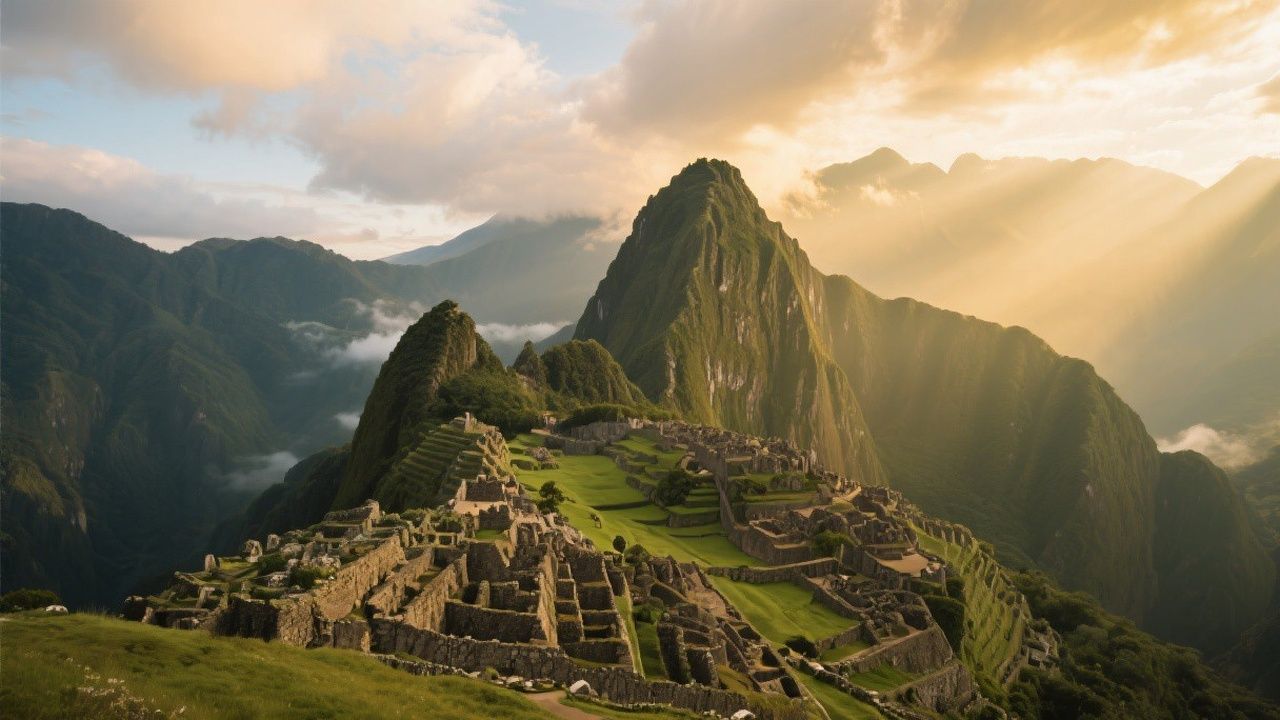
The trekking season runs from October through April. November through January is peak season with the longest daylight hours (up to 17 hours in December) and the most stable weather — though "stable" in Patagonia is relative. I had two sunny days out of ten. February and March offer shorter days but fewer crowds and marginally warmer temperatures (15-18°C vs. 10-14°C in early summer).
April (autumn) is a photographer's dream — the lenga forests turn brilliant shades of red and gold, and the low-angle light makes the mountains look even more dramatic. The trade-off is shorter days (10-11 hours of daylight) and higher chances of snow at elevation. October (spring) is the least crowded month but also the windiest — gusts over 100 km/h are common on exposed ridges.
My honest recommendation: go in late February or early March. The weather is reasonably stable, the crowds have thinned from the January peak, and the autumn colors are just starting to appear.
Essential Tips to Keep in Mind
- Exchange money in Argentina at the blue dollar rate. The official rate is roughly 350 ARS to $1 USD, but the blue dollar rate (available through cuevas, unofficial exchange houses) is closer to 800-900 ARS to $1 USD. This effectively halves your costs in Argentina.
- Wind is the defining feature of Patagonian weather. Bring a windproof shell layer, secure your tent guy lines aggressively, and don't pitch your tent under a tree with dead branches.
- Torres del Paine park entry is 35,000 CLP ($40 USD) for foreign adults, payable in cash or card at the entrance. There's no ATM inside the park.
- Take the bus from El Calafate to Puerto Natales. It runs daily, takes about 5 hours including the border crossing, and costs roughly 15,000 CLP ($17 USD). Bus Sur is the most reliable company.
- Buy trekking food in Puerto Natales, not inside the park. The Unimarc supermarket has everything you need — instant noodles, dried fruit, nuts, chocolate, and freeze-dried meals. Budget about 10,000-15,000 CLP per day for trail food.
Frequently Asked Questions
Do you need hiking experience for the W Trek? Moderate fitness is sufficient. You don't need technical mountaineering skills, but you should be comfortable hiking 15-25 kilometers per day with a loaded pack. If unsure, hire a porter through Las Torres — they carry your main pack for about $40 USD per day.
How much does a Patagonia trip cost? On a mid-range budget, expect to spend $80-120 USD per day including accommodation, food, transport, and park fees. The Argentine side is significantly cheaper due to the favorable exchange rate.
Can you visit both sides in one trip? Yes. The standard route is fly into El Calafate (Argentina), visit Perito Moreno, take the bus to Puerto Natales (Chile), trek Torres del Paine, then fly out of Punta Arenas. Allow 10-14 days minimum.
Final Thoughts
Patagonia is not a comfortable destination. The wind punishes you, the weather changes without warning, and the logistics require more planning than almost anywhere else I've traveled. But the landscapes are so overwhelmingly beautiful that every hardship feels trivial in retrospect. Standing at the base of the Torres at sunrise, watching the first light turn the granite pillars from grey to gold to blazing orange, I actually got emotional. Patagonia does that to people. Plan well, pack for every possible weather condition, and go. It's worth every blister and every freezing morning.