The Best Houseboats to Rent in Kerala, India: A Backwater Experience
The first thing I noticed about the Kerala backwaters was the silence. Not total silence — there was the gentle slap of water against the hull, the distant call of a kingfisher, the occasional putter of a passing dugout canoe — but a profound absence of the mechanical noise that fills most of India. I was sitting on the upper deck of a kettuvallam, a traditional Kerala houseboat converted from a rice barge, watching palm trees slide past as we drifted through the Vembanad Lake near Alleppey. The cook was below deck preparing karimeen pollichathu (pearl spot fish wrapped in banana leaf), the captain was steering us through a narrow canal lined with coconut palms, and I had nowhere to be for the next 18 hours. That's the essential appeal of a Kerala houseboat experience: it forces you to slow down completely, and in doing so, it shows you a side of India that most tourists never see.
Best Time for Backwater Trips
Kerala's backwaters are navigable year-round, but the experience varies significantly by season. The peak tourist season runs from September through March, when the monsoon has ended, the skies are clear, and humidity drops to comfortable levels. I did my first houseboat trip in January and the weather was ideal — warm but not oppressive, with cool breezes on the water and spectacular sunsets around 6:15 PM. Houseboat rates during this period are at their highest: a premium boat with two bedrooms and air conditioning costs 12,000-18,000 rupees ($145-$220 USD) per night, compared to 8,000-12,000 rupees ($95-$145 USD) during the off-season.
The monsoon season (June-August) is when Kerala is at its most dramatic — heavy rains, swollen waterways, lush green landscapes — but houseboat operations continue, and some operators offer discounted rates of 30-40% below peak season. I took a monsoon houseboat trip in July and it was extraordinary in a different way: the rain created a misty, almost mystical atmosphere over the backwaters, and the sound of rain on the woven palm-leaf roof was deeply soothing. The downside is that some canals become impassable due to water hyacinth growth, and outdoor deck time is limited. If you're prone to motion sickness, note that the water can be choppy during heavy rain.
The shoulder months of April-May and September are sweet spots for value. The weather in April is hot (35°C is common) but the backwaters are less crowded and rates are moderate. September, just after the monsoon, is when the waterways are fullest and the landscape is at its greenest. I'd recommend September over April for first-time visitors — the temperature is more comfortable and the scenery is at its peak.
Types of Houseboats Available

Kerala houseboats come in three main categories, and understanding the differences is essential before you book. The standard category is the Deluxe houseboat, which typically has two bedrooms with attached bathrooms, a living/dining area, and an upper sun deck. These boats are 60-75 feet long, built in the traditional kettuvallam style with a curved hull made from anjili wood (Artocarpus hirsutus) and a roof woven from coconut palm fronds. Deluxe boats cost 8,000-12,000 rupees ($95-$145 USD) per night and include a crew of three: a captain, a cook, and an assistant.
Premium houseboats are larger (75-90 feet), have three or four bedrooms, and feature upgraded interiors with polished wood floors, better mattresses, air conditioning in every room, and a more spacious upper deck with lounge furniture. Some premium boats include a small Jacuzzi on the deck. Rates run 15,000-25,000 rupees ($180-$300 USD) per night. I stayed on a premium boat operated by Spice Coast Cruises (a CGH Earth company) and the quality difference was noticeable — the bed was hotel-standard, the bathroom had a proper hot water shower, and the food was outstanding. The cook prepared a traditional Kerala feast with eight dishes, all included in the rate.
At the top end, Luxury houseboats are essentially floating boutique hotels. The Kumarakom Lake Resort operates luxury houseboats with two bedrooms, a full kitchen, a glass-walled living area, and a personal butler in addition to the crew. Rates start at 35,000 rupees ($420 USD) per night. For most travelers, the premium category offers the best balance of comfort and value. The deluxe boats are adequate but the mattresses and bathrooms are basic, and the difference of 3,000-5,000 rupees per night is worth it for the upgrade.
What's Included in the Rate
Almost all Kerala houseboat packages include three meals (lunch on day one, dinner, and breakfast on day two), bottled water, tea and coffee, and the services of a captain and cook. Some operators also include snacks, fresh fruit, and evening tea with local banana fritters. Alcohol is almost never included — Kerala has strict alcohol regulations, and many houseboat operators are not licensed to serve it. If you want to drink, buy beer or wine from a government-run beverage shop (BEVCO) in Alleppey before boarding. The crew will chill it for you.
The meals are a major highlight. A typical houseboat lunch includes Kerala red rice, sambar (lentil stew), avial (mixed vegetables in coconut), thoran (stir-fried vegetables with coconut), a fish fry (usually karimeen or pomfret), and payasam (a sweet dessert). The food is prepared fresh on the boat by the cook, using ingredients purchased that morning from local markets. I've had houseboat meals that were better than what I ate at restaurants in Kochi and Alleppey. If you have dietary restrictions, inform the operator at the time of booking — vegetarian meals are easy to arrange (Kerala has a strong vegetarian tradition), but vegan and gluten-free requests may require more specific communication.
What's not included: tips for the crew (500-1,000 rupees total is appropriate), any beverages beyond water and tea, and optional activities like canoe rides or village visits. Some operators offer a complimentary one-hour canoe ride through narrow canals, which I highly recommend — the houseboat is too large to enter the smallest waterways, and the canoe ride gives you access to villages and birdlife that you'd otherwise miss.
Overnight vs Day Cruise
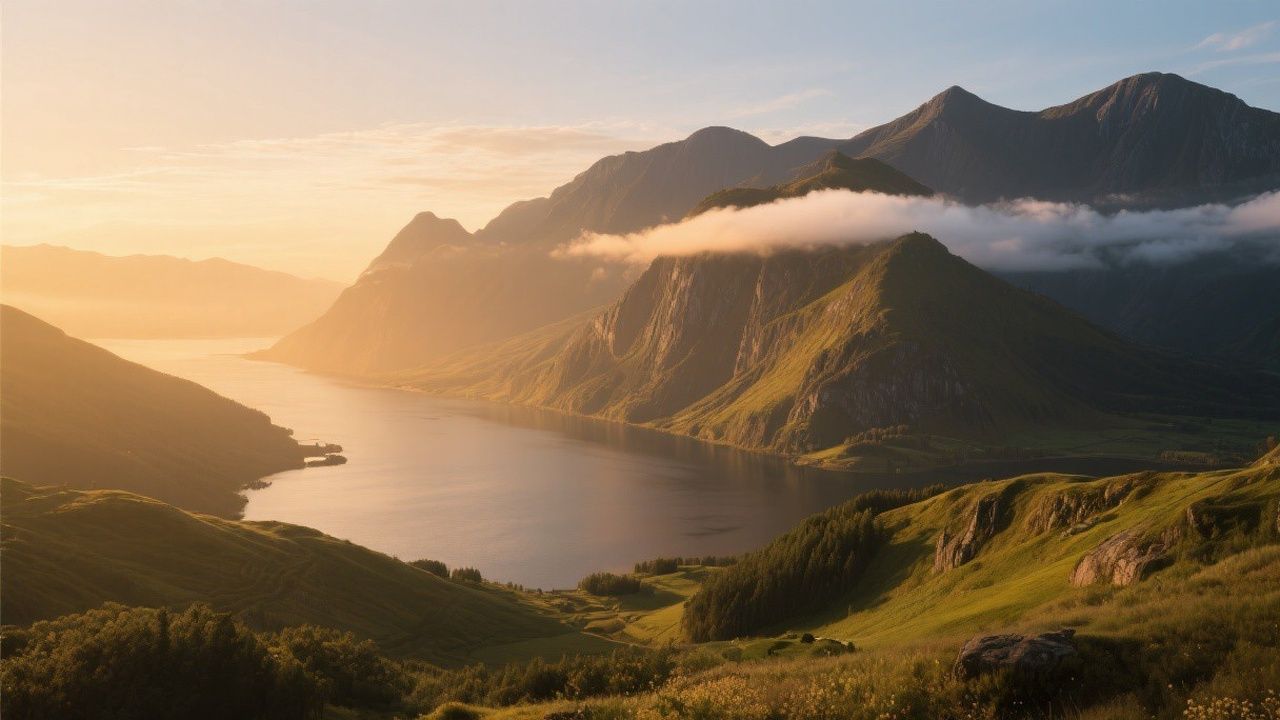
The overnight houseboat experience is the one most travelers choose, and for good reason. You board around 11:30 AM, have lunch while cruising through the larger canals and lakes, anchor in a quiet spot around 5:30 PM for the night, have dinner on board, sleep on the boat, and disembark after breakfast at 9:00 AM the next morning. The overnight stay gives you the sunset and sunrise on the water, which are the most beautiful parts of the experience. I watched the sunset from the upper deck with a cold Kingfisher beer and felt a kind of peace that I rarely experience on vacation.
Day cruises are shorter (typically 4-5 hours, from 11 AM to 4 PM) and cost roughly half the overnight rate: 4,000-6,000 rupees ($48-$72 USD) for a deluxe boat. Day cruises cover less distance but still give you a solid introduction to the backwaters. They're a good option if you're short on time or if you're not sure you'll enjoy sleeping on a boat. I'd recommend the overnight experience to anyone who can manage it — the evening and early morning hours on the water, when the tourist day-trippers are gone and the backwaters are quiet, are the most magical part.
For travelers with more time, some operators offer two-night houseboat packages that explore deeper into the backwater system, reaching areas around Kumarakom and Kuttanad that single-night cruises can't access. The two-night rate is typically 20-30% less per night than a single night, making it better value. I did a two-night cruise on my second visit and preferred it — the first night felt like an introduction, and the second night felt like I was actually living on the water.
Essential Tips to Keep in Mind
- Book through a reputable operator rather than a random touts at Alleppey boat jetty. Recommended operators include Spice Coast Cruises, Rainbow Cruises, and Kerala Houseboat (keralahouseboat.in).
- Negotiate the rate. Published prices are starting points, and you can often get 10-15% off by booking directly or through a local travel agent.
- Bring mosquito repellent and sunscreen. The backwaters have mosquitoes, especially at dawn and dusk.
- Carry a power bank. Most houseboats have electricity (either battery or generator), but outlets may be limited and power can be intermittent.
- Avoid the cheapest boats. A rate below 6,000 rupees per night usually means a poorly maintained boat with uncomfortable beds and an indifferent crew.
- Request a boat with air conditioning if you're visiting between March and May. The heat and humidity on the water can be intense.
Frequently Asked Questions
Is it safe to sleep on a Kerala houseboat? Yes. The boats are stable, the crew stays on board, and the backwaters are calm. I've never felt unsafe on a houseboat.
How far in advance should I book? During peak season (December-February), book at least 2-3 weeks ahead. During off-season, same-day booking is usually possible.
Can children stay on houseboats? Yes, but the boats don't have safety rails on the upper deck. Keep young children supervised at all times near the water.
Are the bathrooms on houseboats clean? On premium and luxury boats, yes — the bathrooms are tiled, have hot water, and are maintained to hotel standards. On deluxe boats, they're functional but basic.
Final Thoughts
A night on a Kerala houseboat is one of those experiences that delivers exactly what it promises: tranquility, beauty, and excellent food in a setting unlike anywhere else in the world. The backwaters are not a tourist attraction in the conventional sense — they're a living ecosystem of villages, farms, fishing communities, and wildlife that you drift through at the pace of a slow boat. Book a premium boat, go for the overnight trip, and don't pack a schedule. The backwaters will fill the time for you.