The Ultimate Guide to Exploring the Canadian Maritimes
Halifax City Exploration
Walk up to the Halifax Citadel National Historic Site ($8.50 CAD admission), a star-shaped fort on a hill overlooking the city. The fort has been restored to its 1869 appearance, and interpreters in period uniform conduct drills and musket-firing demonstrations throughout the day. The view from the ramparts covers the entire harbor and is the best orientation to the city you'll get.
Peggy's Cove Lighthouse
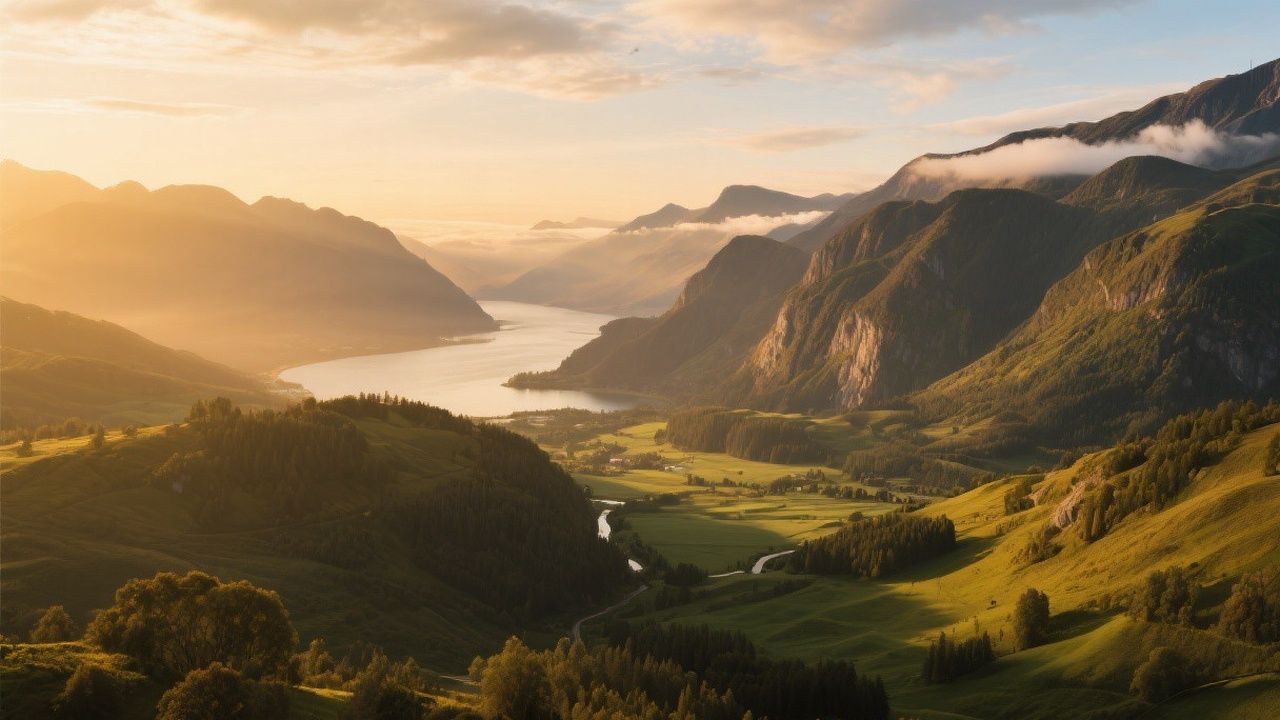
Peggy's Cove is the most photographed lighthouse in Canada, and yes, it's worth the drive. The lighthouse sits on a massive granite outcrop at the edge of a small fishing village 45 minutes south of Halifax, and the combination of white-and-red lighthouse against grey granite and crashing Atlantic surf is genuinely iconic. Arrive before 9 AM or after 5 PM to avoid the tour bus crowds — I visited at 7:30 AM on a Wednesday and had the place almost entirely to myself, sharing it only with a local fisherman checking his lobster traps.
The village has a handful of gift shops, a cafe (Sou'wester Restaurant, open April to December), and not much else. The cafe serves decent chowder ($12) and the best lobster sandwich I had in Nova Scotia ($18, with real claw meat on a fresh roll). Parking is free but limited — on summer weekends, the lot fills by 10 AM. There's no admission fee to the lighthouse or the village.
Be careful on the rocks. The granite around the lighthouse is smooth and slippery, even when dry, and rogue waves have swept visitors into the ocean. Respect the warning signs and stay well back from the water's edge. On the drive back to Halifax, take the coastal route through Hubbards and Indian Harbour rather than the inland highway — it adds 20 minutes but passes through charming coastal villages.
Acadian Cultural Sites
The Acadians are French-speaking descendants of 17th-century settlers who were expelled from the region by the British in 1755 (the Grand Dérangement). Their culture remains vibrant in parts of New Brunswick and Nova Scotia. The heart of Acadian culture in New Brunswick is the village of Memramcook, about 20 minutes southeast of Moncton, where the Acadian Museum (admission $6 CAD) tells the story of the deportation and cultural survival through artifacts and personal accounts.
In Nova Scotia, the Grand Pré National Historic Site ($7.80 CAD) commemorates the Acadian settlement that existed here before the expulsion. The site includes a memorial church, reconstructed gardens, and interpretive trails with views over the Minas Basin, where the world's highest tides create a landscape that shifts dramatically every six hours. The visitor center's film about the expulsion is moving and well-made — budget 90 minutes for the full visit.
For living Acadian culture, visit the village of Chéticamp on Cape Breton's west coast. The Acadian Museum of Chéticamp (admission by donation) displays hooked rugs and textiles that are genuine works of folk art. The village is also the gateway to the Cabot Trail's most dramatic section, and the local restaurants serve Acadian dishes like rappie pie (a grated potato casserole with chicken or clams) that you won't find anywhere else.
Camping and Accommodation
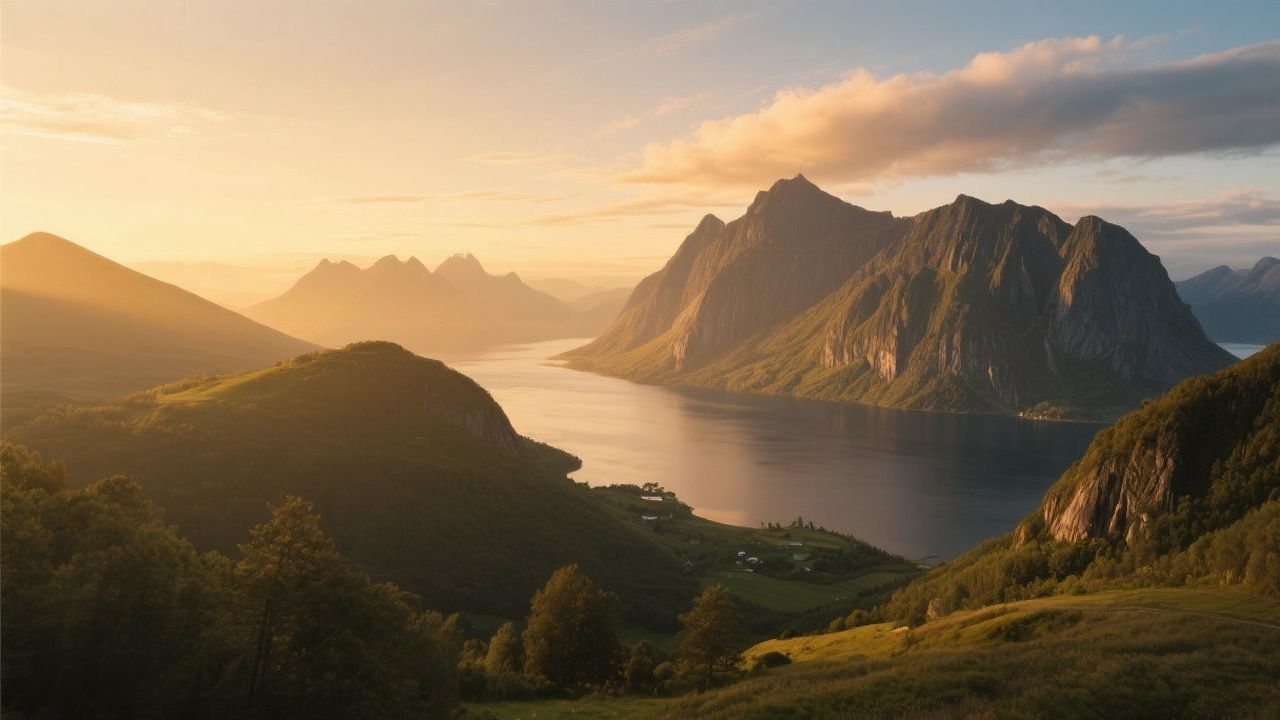
The Maritimes offer excellent camping options. Provincial campgrounds in Nova Scotia ($22 to $32 per night for an unserviced site) are well-maintained and located in beautiful settings — my favorites were Cape Chignecto Provincial Park (on the Bay of Fundy, with challenging coastal hiking trails) and Meat Cove Campground (at the northern tip of Cape Breton, with cliffside sites overlooking the ocean). Book provincial campgrounds through the Parks Nova Scotia website — sites fill quickly in July and August.
Private campgrounds and RV parks are more expensive ($35 to $55 per night) but offer Wi-Fi, laundry, and electrical hookups. For a unique experience, oTENTik tents at Parks Canada sites ($80 to $120 per night) are a cross between a tent and a cabin — canvas walls on a wooden platform with real beds, a table, and a heater. They book out months in advance for summer dates.
If camping isn't your style, the Maritimes have a strong B&B culture. Expect to pay $90 to $150 per night for a room with breakfast. In Halifax, hotel rooms start at $120 per night for basic options and $200 to $300 for downtown properties.
Essential Tips to Keep in Mind
- The Cabot Trail on Cape Breton Island is the Maritimes' most famous drive — 298 kilometers of coastal highway through Cape Breton Highlands National Park ($8.50 per person per day). Drive it counterclockwise for the best ocean views.
- Lobster season varies by area. In Nova Scotia, the season runs May to July. Eat lobster at a lobster supper (community hall dinners where volunteers serve whole lobster, salad, rolls, and dessert for $30 to $45) for the most authentic experience.
- Ferries connect the provinces: Digby to Saint John ($125 per car, 3 hours) and Wood Islands to Caribou ($75 per car, 75 minutes). Book ahead in summer.
- The Confederation Bridge connects PEI to New Brunswick — toll is $48.50 per car, paid only when leaving PEI.
- Blackflies and mosquitoes are severe from late May to mid-July. Bring insect repellent with DEET. By August, the biting insects diminish significantly.
Frequently Asked Questions
How many days do you need for the Canadian Maritimes? Ten to fourteen days covers the highlights of all three provinces. Seven days works if you focus on Nova Scotia and PEI.
Is the Maritimes expensive? Moderate. Budget travelers can manage $80 to $100 CAD per day. Mid-range travelers should budget $150 to $200 CAD per day.
Do you need a car? Yes. Public transport between Maritime provinces is very limited. A rental car gives you the freedom to explore coastal roads and small villages.
Final Thoughts
The Canadian Maritimes are the kind of place that sneaks up on you. There's no single blockbuster attraction — no Eiffel Tower, no Machu Picchu. Instead, there's a slow accumulation of moments: eating lobster on a wharf at sunset, driving a road that curves along the edge of the continent, listening to fiddle music in a pub where the floor is worn smooth by decades of dancing feet. The Maritimes don't shout. They invite. And if you accept the invitation — if you slow down, eat the seafood, talk to the locals, and follow the coastal roads to their ends — you'll discover one of the most genuinely welcoming and beautiful regions in North America.