The Best Ryokan Experiences in Japan: Traditional Japanese Inns Reviewed
My first ryokan stay in Kanazawa completely changed how I think about travel accommodation. I arrived jet-lagged and slightly skeptical about sleeping on a floor mat, and left 36 hours later feeling more rested and culturally immersed than any hotel stay has ever managed. A good ryokan is not just a place to sleep -- it is a carefully choreographed experience of Japanese hospitality that has been refined over centuries. After staying at more than twenty ryokans across Japan, here are the ones that left the deepest impression and practical advice for planning your own traditional Japanese inn experience.
Kyoto ryokan recommendations
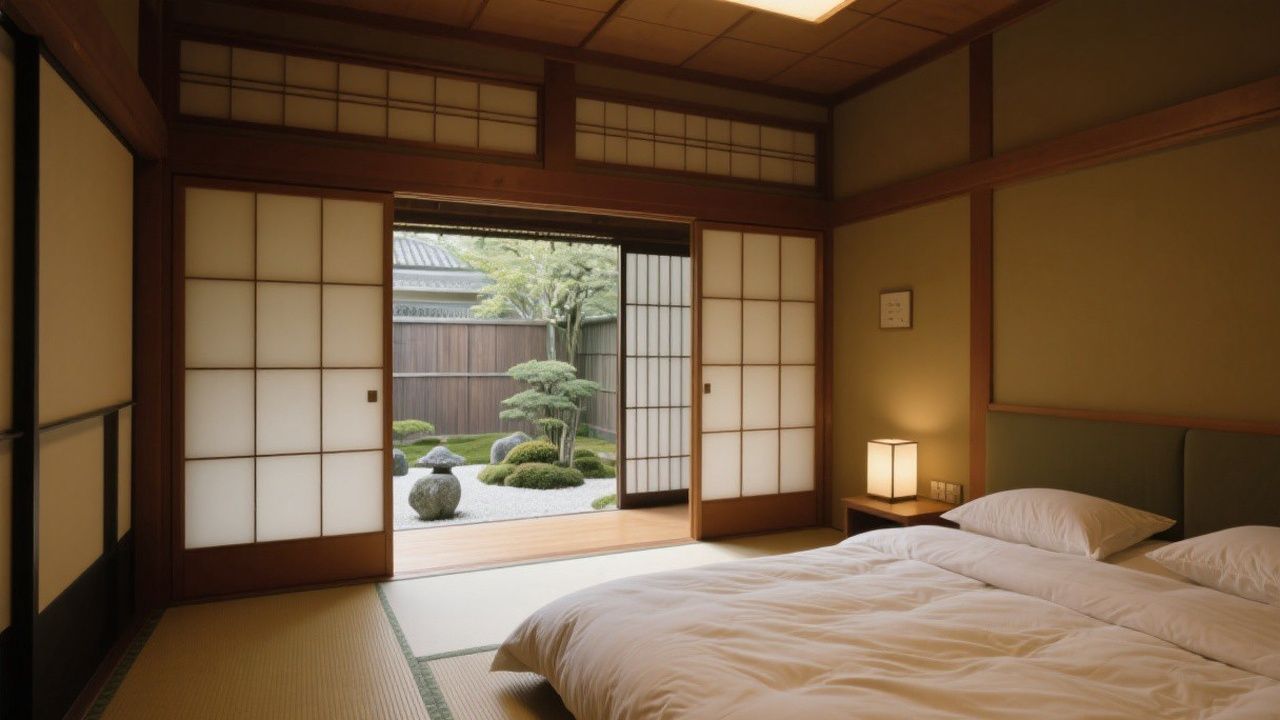
Kyoto has the highest concentration of traditional inns in Japan, and the quality ranges from touristy disappointments to genuinely transformative stays. My top recommendation is Ryokan Kinoe, a 12-room property in the Nakagyo ward that dates back to the Edo period. At $180-250 per night including breakfast and dinner (kaiseki), it offers an authentic experience without the $500+ price tag of places like Tawaraya or Hiiragiya. The building is a registered cultural property with a stunning inner garden, and the rooms feature tatami floors, tokonoma alcoves with seasonal scroll paintings, and views of a moss-covered stone lantern courtyard. The onsen bath is small but exquisite, fed by natural hot water and surrounded by maple trees that turn brilliant red in November.
For a more affordable option, check into Matsui Honkan near Gion. At $120-160 per night with breakfast, this century-old ryokan sits on a quiet street behind Yasaka Shrine. The rooms are simple but immaculate, with fresh tatami and shoji screens that slide open to reveal a small courtyard garden. The breakfast alone is worth the stay -- a multi-dish spread of pickled vegetables, grilled fish, miso soup, rolled omelet, and rice that changes with the seasons. The owner, Mrs. Matsui, speaks limited English but communicates warmth through gestures and the extraordinary care she puts into every detail.
If you want to splurge, reserve a room at Ryokan Yoshida-sanso in the northern hills near Kinkaku-ji. At $300-400 per night, this former aristocratic villa has only four guest rooms, each with a private rotenburo (outdoor bath) overlooking a Japanese garden. The property was originally built in the 1930s as a retreat for a shipping magnate, and the architecture reflects Taisho-era elegance with Western touches like chandeliers mixed with traditional elements. Dinner is a multi-course kaiseki meal prepared by a chef who trained at a three-Michelin-star restaurant in Tokyo.
Futon vs Western bed options
One of the most common concerns from first-time ryokan guests is the sleeping arrangement. Traditional Japanese futons are laid out on tatami mats each evening by the nakai-san (room attendant) and stored in the closet during the day. I was a skeptic, but after three nights at a ryokan in Takayama, I became a convert. The futon is surprisingly comfortable -- a cotton-filled mattress pad about three inches thick, topped with a duvet and a buckwheat hull pillow. The firm tatami surface provides excellent back support, and I woke up without the stiffness I often feel on soft hotel mattresses.
That said, the futon experience is not for everyone. If you have knee problems, getting down to floor level and back up can be uncomfortable. Many modern ryokans now offer hybrid rooms with a raised platform bed that uses a futon mattress but sits at a more accessible height. Ryokan Kinoe in Kyoto offers this option on request, and several properties in Hakone and Nikko have installed Western-style beds in some rooms while maintaining the traditional aesthetic with tatami flooring and shoji screens elsewhere.
My advice: try the futon for at least one night. The ritual of the room attendant preparing your bed while you are at dinner, returning to find the space transformed, is part of the experience. If you truly cannot sleep on a futon, specify a Western bed when booking -- most ryokans with websites in English will accommodate this, though it may limit your room options at smaller properties.
Tokyo area ryokans
Finding an authentic ryokan in Tokyo is harder than you would expect. The city has modernized aggressively, and traditional inns have largely been replaced by business hotels and capsule hotels. But there are a few holdouts that deliver the real experience. Ryokan Asakusa Shigetsu, located a three-minute walk from Senso-ji Temple, has been operating since 1948 and offers rooms from $130-200 per night including breakfast. The property is modest compared to Kyoto's grand ryokans, but the location is unbeatable -- you step out your door into old Tokyo's most atmospheric neighborhood, with street food stalls, traditional craft shops, and the temple's iconic red lantern.
For a more luxurious Tokyo ryokan experience, Hoshinoya Tokyo in Otemachi is extraordinary -- but at $500-800 per night, it is a serious investment. This vertical ryokan occupies the top floors of a skyscraper, with each floor designed as a separate ryokan with its own entryway and garden courtyard. The concept is brilliant: traditional ryokan hospitality in a modern tower, with floor-to-ceiling windows offering panoramic views of the Imperial Palace grounds. The onsen uses water drawn from 1,500 meters below ground, and the kaiseki dinner is prepared with ingredients sourced from across Japan.
A middle-ground option is Sawanoya Ryokan in the Nezu district, a family-run inn that has hosted international travelers since the 1950s. At $80-120 per night with breakfast, it is one of Tokyo's most affordable ryokan experiences. The building is a converted merchant house with narrow corridors, creaky wooden stairs, and a tiny rooftop garden. The owner, Mr. Sawanoya, speaks excellent English and maintains a handwritten guestbook going back decades. It is not luxurious, but it is deeply charming and feels like stepping into a different era of Tokyo.
Hakone hot spring inns
Hakone, about 90 minutes from Tokyo by train, is Japan's most accessible onsen town and an ideal place to experience a ryokan with natural hot spring bathing. The key distinction here is that Hakone ryokans typically include both dinner and breakfast in the room rate, making the per-night cost higher ($200-400) but the overall value excellent when you factor in two elaborate meals and unlimited onsen access.
Gora Kadan is the most famous ryokan in Hakone, and it earns the reputation. Originally a summer retreat for the Kan'in-no-miya imperial family, it sits on a forested hillside with private open-air baths in many rooms. Rates start at $400 per night, but the level of service and the quality of the kaiseki dinner -- featuring locally caught ayu fish, Hakone beef, and seasonal vegetables -- justify the price for a special occasion. The main indoor bath is a vast cypress-wood pool fed by sulfur-rich hot springs, and the surrounding garden was designed by a 17th-century landscape architect.
For a more accessible Hakone ryokan, try Kinnotake Tonosawa along the Hayakawa River. At $180-280 per night, this 22-room property has a gorgeous riverside onsen, comfortable rooms with mountain views, and a kaiseki dinner that rivals more expensive properties. I stayed in a room with a private rotenburo and spent an hour each evening soaking in hot mineral water while listening to the river below -- one of the most peaceful moments of my entire Japan trip.
Essential Tips to Keep in Mind
- Book ryokans at least 2-3 months in advance, especially in Kyoto during cherry blossom season (late March to mid-April) and autumn foliage season (mid-November to early December). The best properties have limited rooms and fill up quickly.
- Budget for the full experience. Most ryokan rates include breakfast, and many include dinner. Factor this into your per-night cost comparison -- a $200 ryokan with two meals is often comparable to a $120 hotel plus $60-80 in restaurant meals.
- Arrive before 5 PM if your rate includes dinner. Kaiseki meals are served at a set time (usually 6-7 PM), and late arrivals may miss courses or disrupt the kitchen's schedule.
- Remove your shoes at the entryway and wear the provided slippers. Inside your room, remove slippers before stepping on tatami -- bare feet or socks only on the mat flooring.
- Onsen etiquette matters. Shower thoroughly before entering the bath, no soap in the water, no swimming suits, and tie long hair up. Small tattoos are increasingly tolerated, but large or prominent tattoos may require a private bath booking.
Frequently Asked Questions
Do I need to speak Japanese to stay at a ryokan?
No. Most ryokans that cater to international guests have English-speaking staff or at least English menus and instructions. Smaller family-run properties may have limited English, but the hospitality culture means staff will go to extraordinary lengths to communicate and make you comfortable.
What should I wear at a ryokan?
Your ryokan will provide a yukata (light cotton kimono) and obi (sash) to wear throughout the property, including to dinner and the onsen. Wear it left side over right (the reverse is used for dressing the deceased). Many guests also wear the provided geta (wooden sandals) for short walks around the neighborhood.
Are ryokans worth the cost compared to hotels?
For a first-time visitor to Japan, I would say at least one ryokan stay is essential. The cultural immersion, the food, and the hospitality create memories that no standard hotel can match. Budget travelers can find excellent ryokan experiences for $80-150 per night in smaller cities like Takayama, Matsumoto, and Kanazawa.
Final Thoughts
Staying in a ryokan is not about luxury -- it is about experiencing a philosophy of hospitality that treats every guest as an honored visitor. The best ryokan Japan offers will change how you think about what accommodation can be. Start with one night in a smaller city like Kanazawa or Takayama where prices are lower, and I suspect you will find yourself planning your next trip around ryokan stays rather than working them in as an afterthought.