The Best Time to Visit South Korea: A Month-by-Month Guide
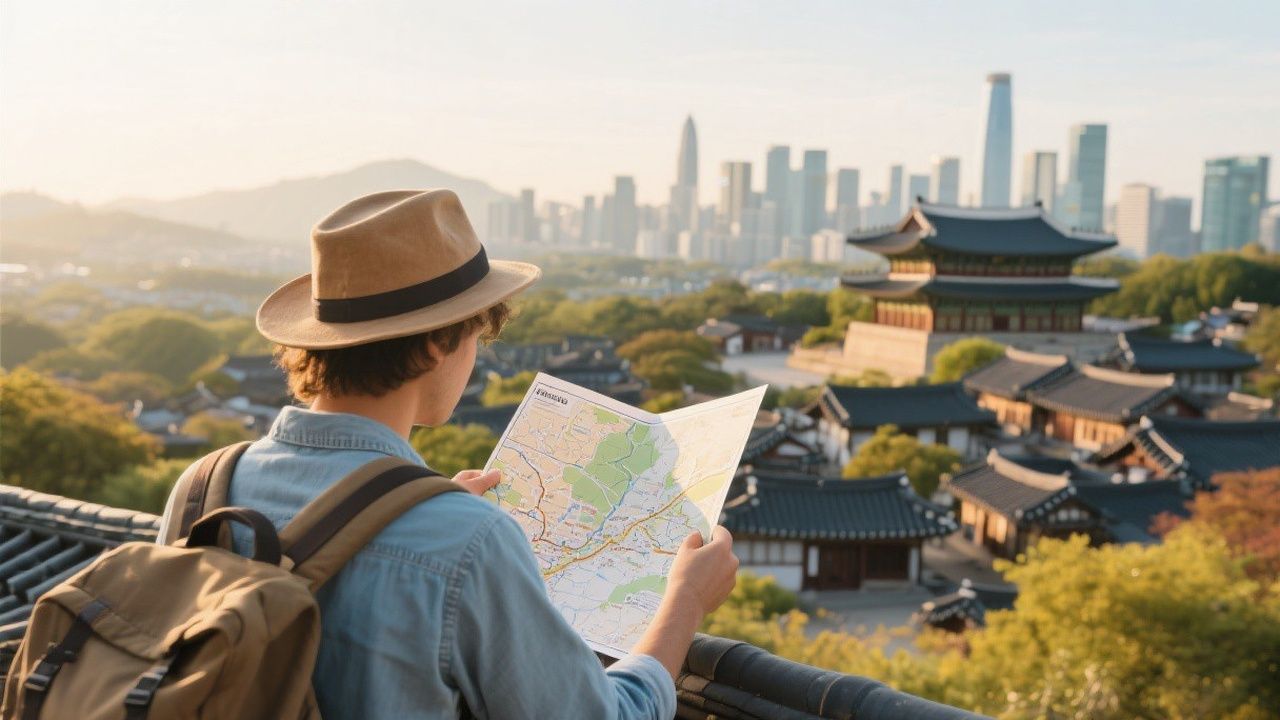
South Korea's four distinct seasons each transform the country into something almost unrecognizable from the last. I've stood in the same spot in Seoul's Bukchon Hanok Village in February (gray, freezing, nearly empty) and again in October (golden light, crimson ginkgo trees, camera-toting crowds) and it felt like visiting two different countries. The best time to visit South Korea depends entirely on what you want to experience, how much you're willing to spend, and how well you handle extreme weather. Here's a month-by-month breakdown based on three years of visits across every season.
Spring (March-May): Cherry Blossoms and Mild Weather
Spring is when South Korea puts on its most famous show. Cherry blossoms (beot-kkot) typically bloom in late March in the south (Busan, Jeju Island) and early to mid-April in Seoul. The exact timing shifts by a week or two each year depending on winter temperatures, and Koreans track the "cherry blossom front" with the same intensity that Americans track hurricane paths. Yeouido Park in Seoul and Jinhae in the south are the most popular viewing spots, but they're mobbed. For a quieter experience, try Namsan Park's less-traveled trails or the campus of Kyung Hee University in Seoul, which has stunning cherry-lined paths with a fraction of the crowds.
Temperatures in April range from 8-18 degrees Celsius (46-64 Fahrenheit) in Seoul, which means you'll need layers but won't freeze. May is even more pleasant, with temperatures climbing to 15-25 degrees Celsius (59-77 Fahrenheit) and the tourist crowds thinning after the cherry blossom rush. May is my personal favorite month for South Korea travel -- the air is clean, the hiking trails are accessible, and outdoor dining in areas like Ikseon-dong and Gwangjang Market is at its best.
Spring has two drawbacks: prices and yellow dust. Accommodation rates in Seoul spike 30-50% during cherry blossom season, especially the last two weeks of March and the first two weeks of April. Book at least two months in advance. Yellow dust (hwangsa) -- fine sand blown from the Gobi Desert in China and Mongolia -- can blanket the country in a hazy, gritty fog from March through May. On bad days, outdoor visibility drops, air quality plummets to "unhealthy" levels, and you'll want an N95 mask. Check the Air Quality Index (AQI) on apps like AirVisual before planning outdoor activities.
Summer (June-August): Monsoons and Festivals
Summer in South Korea is defined by two things: heat and rain. The monsoon season (jangma) typically arrives in late June and lasts through late July, dumping 300-600mm of rain across the country. Seoul's streets flood regularly, hiking trails turn to mud, and outdoor markets become miserable. I was caught in a monsoon downpour in Insadong in July 2023 and was soaked through in under 30 seconds despite having an umbrella -- the rain falls sideways. If you visit during monsoon, plan indoor activities: museums (the National Museum of Korea is free and enormous), shopping in Myeongdong, and Korean bathhouse experiences (jjimjilbang) like Dragon Hill Spa, which costs 12,000 won ($9) for entry.
August brings the heat. Temperatures in Seoul regularly hit 33-36 degrees Celsius (91-97 Fahrenheit) with humidity above 80%, creating a heat index that feels like 40+ degrees. Air conditioning is everywhere -- Korean buildings pump it aggressively -- but the transition between indoor and outdoor spaces is jarring. The silver lining: August is festival season. The Boryeong Mud Festival (mid-July) draws thousands of international visitors for mud wrestling, mud slides, and beach parties. The Busan International Film Festival (October, technically autumn) is Asia's largest, but summer festivals like the Muju Firefly Festival (June) and the Gangneung Danoje Festival (June) offer authentic cultural experiences with fewer foreign tourists.
Jeju Island is the best summer destination in Korea, with ocean breezes that take the edge off the heat and beautiful beaches like Hyeopjae and Jungmun. Flights from Seoul to Jeju take 65 minutes and cost as little as 25,000 won ($19) one-way on budget carriers like Jeju Air and T'way Air if you book early. Summer is also the only season for Korean beach culture, which is a unique experience -- Koreans approach the beach with elaborate setups including tents, food spreads, and full BBQ equipment.
Autumn (September-November): The Golden Season
Ask any Korean when to visit, and they'll say autumn without hesitation. September through November offers the most comfortable weather, the most beautiful scenery, and the best food of the year. October is peak foliage season, and the red and gold maple leaves (danpung) that blanket the mountains around Seoul are genuinely spectacular. Seoraksan National Park, a three-hour bus ride from Seoul, is the most famous foliage destination, but Naejangsan National Park in the southwest is equally stunning and less crowded. In Seoul, the trails around Bugaksan and Bukhansan offer foliage views within city limits.
Temperatures in October range from 8-20 degrees Celsius (46-68 Fahrenheit) in Seoul -- cool enough for a light jacket, warm enough for comfortable walking. The air is crisp, the skies are clear (Koreans call this season cheongom, meaning "high and clear sky"), and the food is at its peak. Autumn is harvest season, which means the best Korean BBQ of the year. I had the best galbi of my life at Maple Tree House in Myeongdong in October 2024 -- the beef was tender, the marination was perfect, and the combination of cold autumn air and hot charcoal grills is something you can only experience this time of year.
The downside of autumn is crowds and cost. October is the most expensive month for hotels in Seoul, with rates at popular properties like the Shilla Seoul and Signiel Seoul reaching $300-500 per night. Even mid-range hotels in Hongdae and Myeongdong jump to $120-180 per night. Book three months in advance if possible, and consider visiting in late November instead -- the foliage is past peak but the weather is still pleasant, prices drop 30%, and the first snowfall on the mountains creates a different kind of beauty.
Winter (December-February): Cold, Skiing, and Hot Pots
Winter in South Korea is cold. Seoul temperatures regularly drop to -10 degrees Celsius (14 Fahrenheit) in January, and the wind chill makes it feel even colder. But winter travel has genuine advantages: hotel prices are at their lowest (I've stayed at 4-star hotels in Gangnam for $60 per night in January), tourist sites are nearly empty, and the winter food culture is extraordinary. Korean winters are built around hot pots (jeongol), roasted sweet potatoes sold from street carts (gungoguma), and the soul-warming experience of sitting in a Korean BBQ restaurant with floor heating (ondol) while snow falls outside.
Winter is also ski season. South Korea has excellent ski resorts within 90 minutes of Seoul, including Vivaldi Park, High1 Resort, and the Pyeongchang facilities built for the 2018 Winter Olympics. A day pass at Vivaldi Park costs about 75,000 won ($57) including equipment rental, and the slopes are well-groomed and surprisingly uncrowded on weekdays. For non-skiers, the resorts offer sledding, snow tubing, and spa facilities. The Korean Ski Festival in January and the Hwacheon Sancheoneo Ice Festival (where participants catch naked fish with bare hands in a frozen river) are uniquely Korean winter experiences.
Jeju Island in winter is a different world -- mild temperatures (5-12 degrees Celsius), empty beaches, and the dramatic sight of snow-capped Hallasan volcano against the blue ocean. Winter is also the season for tangerines (gamgyul), Jeju's famous citrus fruit. The Jeju Tangerine Festival in December celebrates the harvest with tangerine picking, tangerine-themed food, and beautiful mandarin groves. Flights to Jeju in winter are the cheapest of the year, sometimes dropping to 15,000 won ($11) one-way on promotional fares.
Essential Tips to Keep in Mind
- Book accommodation early for cherry blossom season (late March to mid-April) and autumn foliage season (October). Seoul hotels fill up fast during these peak periods, and last-minute rates are 50-100% higher than advance bookings.
- Download the Naver Weather app for accurate Korean weather forecasts. International apps like AccuWeather often miss localized conditions, especially during monsoon season and yellow dust events.
- Pack layers regardless of season. Korean buildings are aggressively heated in winter and aggressively air-conditioned in summer, so you'll alternate between outdoor and indoor extremes throughout the day.
- Check the Korean holiday calendar before booking. Major holidays like Chuseok (Korean Thanksgiving, September/October) and Seollal (Lunar New Year, January/February) cause massive domestic travel, hotel price spikes, and business closures.
- Visit major attractions early in the morning. Places like Gyeongbokgung Palace and Changdeokgung Palace open at 9 AM and are nearly empty for the first hour. By 11 AM, tour groups arrive and the experience changes dramatically.
Frequently Asked Questions
What is the cheapest month to visit South Korea?
January and February are the cheapest months for both flights and accommodation. Round-trip flights from the US West Coast to Seoul drop to $600-800 in January compared to $1,000-1,400 in peak season. Hotels in Seoul average $50-80 per night for mid-range properties in winter, compared to $120-180 in October. The trade-off is cold weather, but the indoor activities, winter festivals, and food culture more than compensate.
How far in advance should I book?
For peak seasons (cherry blossoms in April, foliage in October, and summer festivals in July-August), book accommodation at least 2-3 months in advance. For shoulder seasons (May, September, November), 4-6 weeks is usually sufficient. For winter (December-February), you can often book 1-2 weeks ahead and still find good availability and rates.
Does it snow in Seoul?
Yes, Seoul gets about 25-30 days of snow per year, but accumulation is usually light (2-5 cm). Heavy snowfalls happen 2-3 times per winter and can briefly disrupt public transit. The snow rarely lasts more than a day or two in the city, but mountain areas retain snow cover throughout the season. For guaranteed snow, visit the Gangwon Province ski resorts or the eastern coast.
Final Thoughts
South Korea's seasonal diversity is what makes it such a rewarding destination to revisit. The Korea travel seasons each offer something genuinely unique: spring's ephemeral cherry blossoms, summer's vibrant festivals, autumn's breathtaking foliage, and winter's cozy food culture. There's no wrong time to go -- only wrong expectations. Match your visit to the experiences you value most, pack for the actual weather (not the weather you wish for), and you'll have a trip that rivals any other destination in East Asia.