How to Stay Safe While Traveling Alone in Europe: A Complete Guide
I've spent over 14 months traveling solo across Europe -- from the cobblestone streets of Lisbon to the Baltic coast of Estonia -- and I've learned that safety isn't about being paranoid. It's about being prepared. Europe is generally one of the safest regions in the world for solo travelers, but pickpockets in Barcelona don't care how confident you feel, and a medical emergency in rural Romania can become complicated fast if you haven't done basic prep work. This guide covers the practical steps that actually make a difference for solo travel safety in Europe, drawn from real situations I've navigated on my own.
Emergency Numbers by Country
The European Union unified emergency number is 112, and it works in every EU member state from Portugal to Finland. Dial it from any phone -- even a locked phone without a SIM card -- and you'll reach police, fire, or medical services. I've had to call 112 twice: once when a fellow traveler collapsed from heatstroke on a Barcelona metro platform, and once when I witnessed a mugging near the Hauptwache in Frankfurt. Both times, the operator spoke English, and help arrived within 10 minutes.
However, some non-EU European countries use different numbers. In Switzerland, dial 117 for police and 144 for medical emergencies. In the UK, it's 999 (though 112 also works). Iceland uses 112 for everything. Before arriving in any country, I save the local emergency numbers in my phone contacts under a simple label like "Emergency" so I can find them fast without scrolling. It takes 30 seconds and could matter enormously.
One detail that surprises many travelers: if you're an EU citizen, your European Health Insurance Card (EHIC) covers basic medical treatment across EU countries. Non-EU visitors need travel insurance -- World Nomads and Safety Wing are popular among long-term travelers, with policies starting around $40-60 per month that cover emergency medical, evacuation, and trip interruption. Without insurance, a single emergency room visit in France can cost $300-800, and a medical evacuation from Greece to your home country can exceed $50,000.
Staying Connected with Family
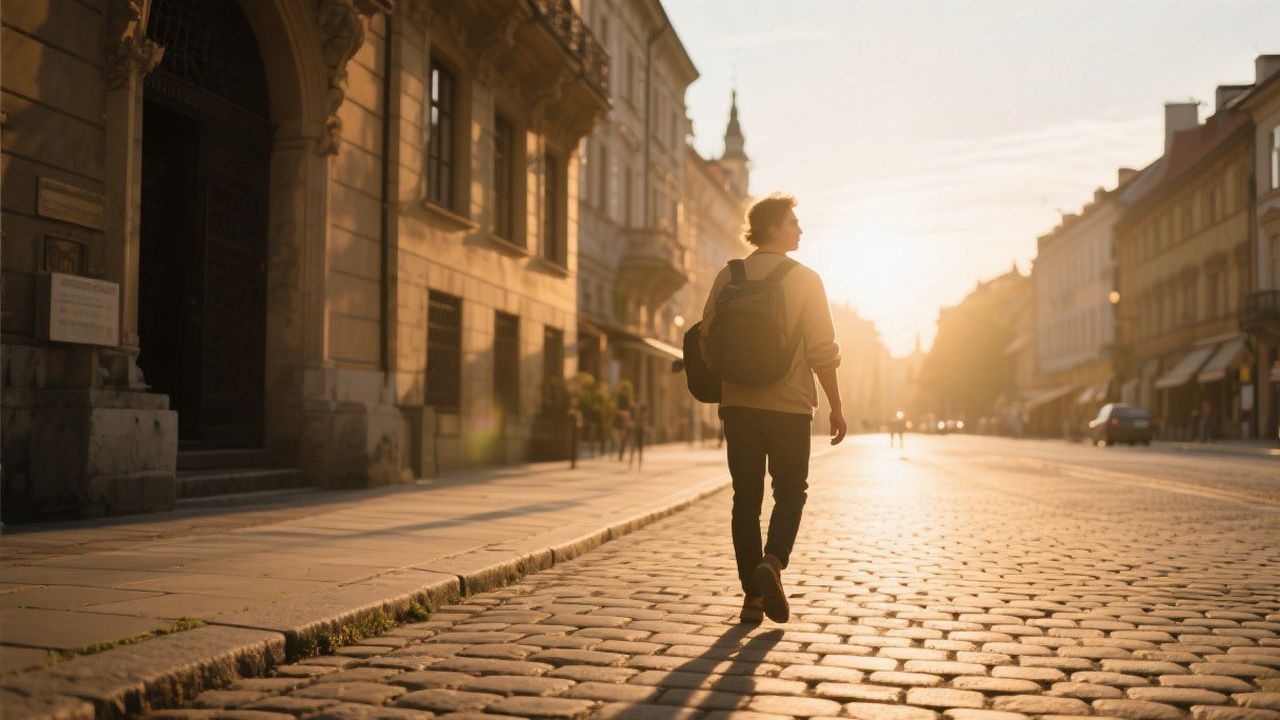
Sharing your location with someone back home isn't about fear -- it's about logistics. I use Google Maps' location sharing feature, which lets my sister see exactly where I am in real time for up to 24 hours at a stretch. Before each trip, I also email her a rough itinerary with hotel names, booking confirmations, and flight details. If something goes wrong, she has everything needed to contact authorities or my embassy.
For daily check-ins, I've found that a simple WhatsApp message each morning works better than elaborate tracking systems. "Good morning, heading to Plitvice Lakes today, staying at Guesthouse Mirjana tonight" takes five seconds to send and gives my contact person a clear picture of my movements. I also set up a fallback system: if I don't message for 48 hours, my sister knows to contact the local embassy. In three years of solo travel, I've never missed a check-in, but knowing the system is in place gives both of us peace of mind.
Buying a local SIM card on arrival is one of the first things I do in any European country. In Spain, a Vodafone prepaid SIM with 15GB of data costs about 15 euros at any Vodafone store. In Germany, Aldi Talk offers a similar deal for 12 euros. Having data from the moment you land means you can call a taxi, navigate to your accommodation, and look up emergency numbers without depending on airport Wi-Fi. Most European countries now require SIM registration with a passport, so have yours handy when you buy.
Researching Safe Neighborhoods
Not all neighborhoods in major European cities are equally safe, and the difference between a great trip and a miserable one often comes down to where you book your accommodation. In Paris, the 1st through 8th arrondissements are generally safe and well-lit at night, but areas around Barbès-Rochechouart (18th) and Château Rouge can feel sketchy after dark, with higher rates of street harassment. In Barcelona, the Gothic Quarter is atmospheric during the day but has pockets where pickpockets operate aggressively near the cathedral and on La Rambla.
I research neighborhoods using three sources: Google Street View (to check how well-lit the streets are at night), recent TripAdvisor forum posts (which tend to have more honest safety discussions than guidebooks), and the local Reddit city subreddit. When I visited Naples for the first time, the r/Napoli subreddit warned me about the area around Piazza Garibaldi after 10 PM and recommended staying in the Chiaia or Vomero districts instead. That advice saved me from booking a cheap but poorly located hotel near the train station.
For solo female travel tips specifically, the Badoo-funded "Safest Cities for Women" index ranks European cities annually, with Reykjavik, Zurich, and Vienna consistently at the top. But even in lower-ranked cities, street smarts go a long way. I avoid walking alone in unfamiliar areas after midnight, I keep my phone in my front pocket on public transit, and I never leave my drink unattended at bars -- basic precautions that apply everywhere from Berlin to Belgrade.
Travel Insurance Essentials
Travel insurance is non-negotiable for solo travel in Europe. I once slipped on wet marble steps inside the Uffizi Gallery in Florence and twisted my ankle badly enough to need an X-ray. The hospital visit cost 180 euros, and my World Nomads policy reimbursed every cent within two weeks. Without insurance, that's a frustrating out-of-pocket expense that could derail your budget for days.
When choosing a policy, check specifically for these coverages: emergency medical (minimum $100,000), medical evacuation, trip cancellation and interruption, and coverage for electronics theft. Many standard credit card travel insurance policies look good on paper but exclude adventure activities like hiking, skiing, or scuba diving -- activities that are extremely common in Europe. Safety Wing, designed for digital nomads, covers these by default and lets you pay monthly ($42/month as of 2025), which is ideal for open-ended trips.
Read the fine print on the claims process before you need it. I always photograph my valuables (laptop, camera, phone) and save the serial numbers in a cloud folder. When my backpack was slashed on the Paris Metro in 2023, having those photos and the original purchase receipts made the insurance claim process straightforward. Without documentation, adjusters will push back, and you may receive only a fraction of your item's value.
Essential Tips to Keep in Mind
- Carry a dummy wallet with expired cards and a small amount of local currency. If you're pickpocketed in Prague or Barcelona, hand over the dummy and keep your real cards in a money belt or hidden pocket.
- Avoid wearing expensive jewelry or flashing high-end electronics in public. A Rolex or a visible camera strap marked you as a target in tourist-heavy areas like the Trevi Fountain or Grand Bazaar.
- Use a crossbody bag with a zipper and keep your hand on it in crowded areas. Pacsafe bags with built-in wire mesh are popular for good reason -- they can't be slash-and-grabbed.
- Trust your instincts about people and situations. If a stranger's approach feels off, walk toward a populated area or step into a shop. Being polite is less important than being safe.
- Register with your country's embassy or consulate through their travel registration program. The US State Department's STEP program and the UK's FCDO travel registration both send alerts about safety issues in your destination.
Frequently Asked Questions
Is Europe safe for solo female travelers?
Overall, yes. Scandinavia, the Netherlands, Switzerland, and Austria are among the safest places in the world for women traveling alone. Southern and Eastern Europe require more vigilance -- catcalling is more common in Italy and Spain than in Germany or Denmark, and some areas of major cities feel less comfortable at night. But millions of women travel solo through Europe every year without serious incidents. The key is researching specific neighborhoods, avoiding isolated areas after dark, and carrying a charged phone at all times.
What should I do if I'm pickpocketed?
File a police report immediately, even if nothing of high value was taken. You need the report number for insurance claims, and some countries require it to cancel stolen credit cards. In Spain, go to the nearest Comisaría de Policía; in France, file a report at the local commissariat or online through the police website. Cancel all stolen cards through your bank's emergency line, then contact your insurance provider to start the claims process. Most pickpocket incidents in Europe are non-violent -- they're skilled and fast, not dangerous.
Is hitchhiking safe in Europe?
Hitchhiking is legal in most European countries and relatively common in Scandinavia, Germany, and the Netherlands. However, as a solo traveler, the risks are higher. If you choose to hitchhike, stick to daylight hours, use dedicated ride-sharing apps like BlaBlaCar instead (which costs a fraction of train tickets and is far safer), and always tell someone your planned route and expected arrival time. In Eastern Europe, hitchhiking is less common and less recommended for solo travelers.
Final Thoughts
Europe travel safety comes down to a simple equation: preparation plus awareness. The continent's excellent infrastructure, widespread English proficiency, and reliable emergency services make it one of the most forgiving destinations for solo travelers. But complacency is the enemy -- I've seen experienced travelers lose everything because they got comfortable and stopped paying attention. Carry insurance, share your location, research your neighborhoods, and trust your gut. Do those four things consistently, and you'll be free to focus on what actually matters: exploring one of the most diverse, beautiful, and culturally rich continents on earth on your own terms.