The Best Handicrafts to Buy in Peru: From Pottery to Silver
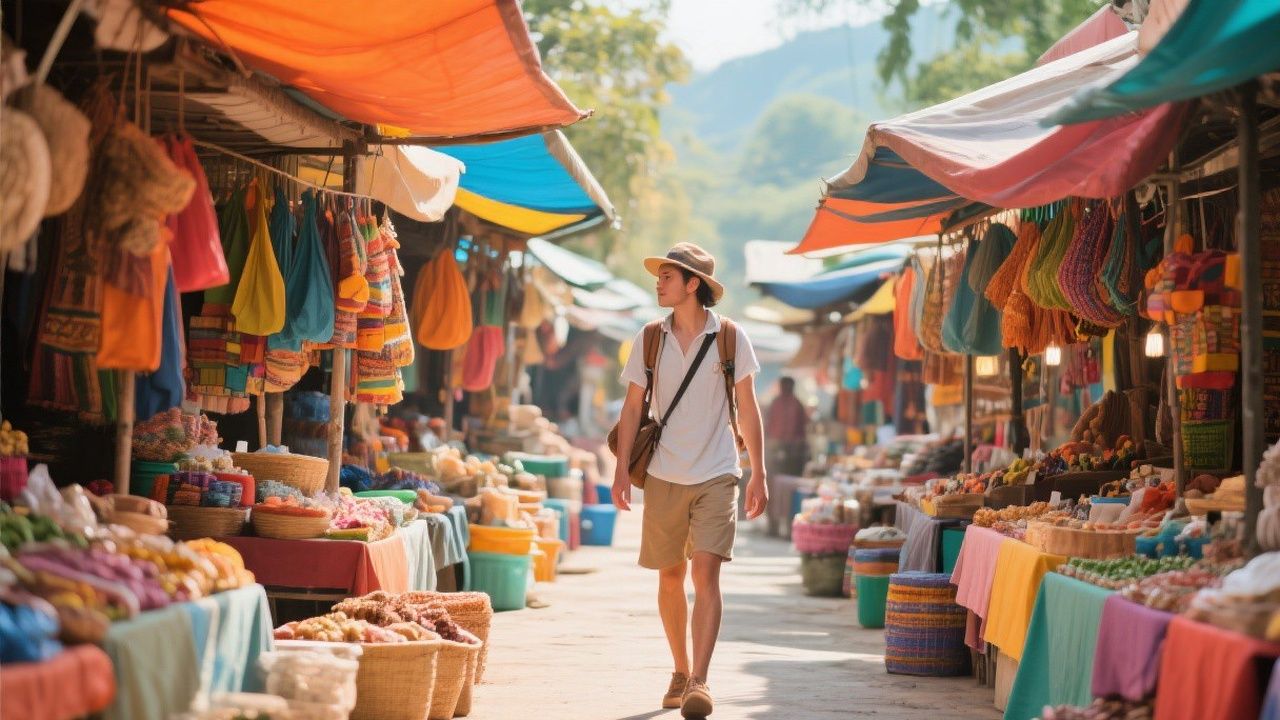
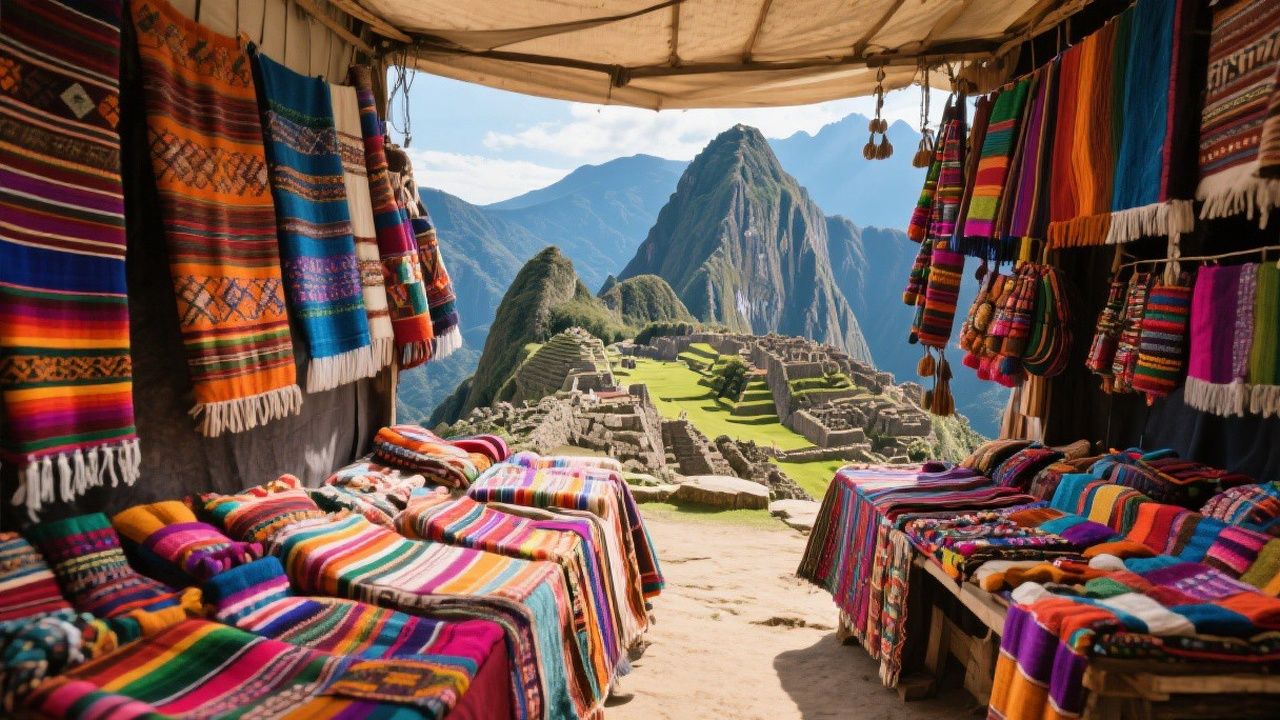
The first time I visited the Sunday market in Pisac, a small town in the Sacred Valley 35 kilometers from Cusco, I spent three hours wandering rows of textiles, ceramics, and jewelry spread across a hillside plaza with views of terraced Inca ruins above. I bought a hand-woven alpaca wool poncho from a woman sitting under a eucalyptus tree. She told me the natural dyes came from cochineal insects for red, huito fruit for blue-black, and molle bark for yellow. The poncho cost 120 soles, roughly USD 35, and I wore it through four Andean winters before passing it to a friend who still wears it today. That quality is what Peruvian handicrafts offer when you buy directly from the people who make them.
Peru has one of South America's richest artisan traditions, and Peruvian handicrafts span pottery, textiles, spanning pottery, textiles, silver jewelry, and gourd carving. The challenge is navigating the enormous quality and price range. The same market selling a genuine hand-woven textile for 100 soles also sells a machine-printed imitation for 30 soles. This guide covers the main categories, where to find authentic pieces, and how to ensure your money supports artisans rather than middlemen.
Ethical Shopping Practices
Ethical shopping means buying directly from artisans or through cooperatives guaranteeing fair wages. The Centro de Textiles Tradicionales del Cusco, founded in 1996, operates a museum and shop selling textiles from member communities. Every item comes with a tag identifying the weaver, community, and techniques. Prices are fair and fixed. A medium table runner costs 180 to 350 soles, a wall hanging 400 to 800 soles. Weaving demonstrations run daily from 9 AM to 6 PM for a suggested 10-sole donation.
The Artesanos de los Andes cooperative in Chinchero, 30 kilometers from Cusco, brings together over 40 Quechua women who spin, dye, and weave using pre-Columbian techniques. You can watch the entire process from raw fleece to finished textile and buy directly.
Avoid shops that cannot tell you who made the item or where it was produced. Mass-produced textiles from China and Ecuador flood tourist markets. The easiest authenticity check is the reverse side: hand-woven pieces show visible loose threads and slightly irregular edges. Machine-made textiles have perfectly uniform stitching. If the back looks as clean as the front, it was almost certainly machine-produced.
Peruvian Pottery Traditions
Peruvian pottery predates the Inca by thousands of years. Quinua, about 25 kilometers from Ayacucho, is famous for retablos: small, colorful altarpieces depicting religious scenes, daily life, or festivals, assembled from painted clay figures in wooden boxes with hinged doors. A medium retablo costs 60 to 150 soles. The Arariwa potters of Cusco produce distinctive black and red pottery shaped by hand without a wheel, burnished with stone, and fired in open kilns. Prices range from 30 soles for a small cup to 300 soles for a large ceremonial vessel. The best place to buy Arariwa pottery is the artisan market in San Blas, Cusco's historic artisan neighborhood.
For something unique, seek out Shipibo-Conibo ceramics from the Peruvian Amazon. These pieces are covered in intricate geometric patterns called kene, inspired by ayahuasca visions, applied freehand with natural pigments. A medium ceremonial bowl costs 80 to 200 soles, available at the Mercado Indio in Lima's Miraflores district or the Amazonian crafts market in Iquitos.
Gourd Carving Art
Peruvian gourd carving, or mate burilado, originated in the Andean highlands of Huancayo and Ayacucho. Artisans use a sharp buril to carve intricate scenes onto dried gourds, colored with natural pigments. The detail is extraordinary: a single 10-centimeter gourd might contain dozens of individually carved figures, each no larger than a grain of rice.
Cochas Grande, 30 kilometers from Huancayo, is the epicenter. Nearly every family participates, and visitors can watch artisans at work along the main road. Small carved gourds cost 15 to 40 soles, larger elaborate pieces 60 to 200 soles. The most detailed works, taking weeks to complete, sell for 300 to 500 soles. I bought a gourd depicting the entire Inti Raymi festival for 120 soles, with detail so fine I needed a magnifying glass to appreciate every figure. Gourds are lightweight and virtually unbreakable, making them ideal travel purchases.
Chulucanas Ceramics

Chulucanas ceramics from the Piura region of northern Peru are among South America's most distinctive pottery styles. The technique combines pre-Columbian molding with contemporary designs. Pottery is shaped by hand, partially fired, burnished with stone, then given a second firing with mango leaves, creating characteristic black-on-brown patterns through a smoke-resistance technique. The result is a matte, velvety surface with bold geometric or figurative designs.
Small bowls cost 40 to 80 soles. Medium vases (25 to 35 centimeters) range from 150 to 400 soles. Large statement pieces cost 600 to 1,500 soles. The best place to buy is directly from workshops in Chulucanas, two hours from Piura city. The Asociacion de Artesanos de Chulucanas welcomes visitors for factory tours costing 5 to 10 soles. If you cannot visit, the Galeria de Arte Popular in Lima's Barranco district stocks a curated selection, though prices run 30 to 50 percent above workshop rates. They arrange international shipping for USD 25 to USD 60 per piece.
Essential Tips to Keep in Mind
- Buy directly from artisans or cooperatives to ensure fair wages and authentic products.
- Check the reverse side of textiles for loose threads and irregular edges indicating hand-weaving.
- Visit the Centro de Textiles Tradicionales del Cusco for certified authentic textiles with full provenance.
- Negotiate respectfully in markets. Start at 50 to 60 percent of the asking price, settle around 70 to 80 percent.
- Carry cash in small denominations. Many rural artisans cannot break large bills or process cards.
- Ship fragile ceramics professionally. The cost is worth the peace of mind.
- Ask about the meaning behind patterns. Most artisans are proud to explain cultural significance.
Frequently Asked Questions
How much should I budget for handicrafts in Peru?
Budget USD 50 to USD 150 per person for quality souvenirs including a textile, carved gourd, and pottery. For higher-end items like large ceramics or silver jewelry, budget USD 100 to USD 300.
Is it safe to buy silver jewelry in Peru?
Peru produces excellent silver, particularly from Celendin in Cajamarca. Look for a ".925" hallmark for sterling silver. Reputable Cusco and Lima shops provide certificates. Silver earrings start at 30 soles, necklaces 80 to 300 soles.
Can I visit artisan workshops without a tour?
Yes. Most cooperatives welcome independent visitors during business hours. In the Sacred Valley, Chinchero and Pisac are accessible by colectivo (shared taxi) for 5 to 10 soles from Cusco.
Final Thoughts
Peru's artisan traditions are living, evolving practices that provide income for thousands of families and preserve cultural knowledge spanning millennia. Every hand-woven textile, carved gourd, and ceramic vessel carries the story of its maker and community. Buying directly from artisans, or through organizations guaranteeing fair compensation, is one of the most meaningful ways to contribute to the communities you visit. These Peruvian handicrafts will be beautiful, functional, and deeply personal in a way no mass-produced souvenir can match.