How to Experience a Traditional Onsen in Japan: Rules and Etiquette
The first time I stepped into an outdoor onsen in Hakone, steam rising off the water into the cold November air, with a view of Mount Fuji reflected in the thermal pool, I understood why the Japanese have elevated bathing to an art form. It was not just warm water. It was a complete sensory experience: the sulfur smell, the smooth stone basin, the sound of a nearby waterfall, and the absolute silence of everyone around me simply existing in the moment. But getting to that moment required navigating a set of rules and cultural expectations that can feel intimidating to first-timers. I made several embarrassing mistakes during my early onsen visits, and I am writing this so you can avoid them. Here is everything you need to know about Japanese onsen etiquette and how to enjoy hot springs in Japan like a respectful guest.
Basic Onsen Rules and Etiquette
The fundamental rule of every onsen is cleanliness before entering. You must shower and scrub yourself thoroughly at the washing stations provided before setting foot in any bath. This is non-negotiable. I have seen staff at Kusatsu Onsen politely but firmly redirect tourists who tried to enter the bath without showering first. The washing stations are equipped with stools, handheld showers, soap, and shampoo. Sit on the stool (never stand, as water splashing onto others is considered rude), lather up completely, and rinse every trace of soap off your body. The goal is to enter the bath perfectly clean.
Tattoos are the most common concern for foreign visitors. Historically, tattoos have been associated with organized crime in Japan, and many onsen ban tattooed guests. This policy is slowly relaxing, especially in areas with heavy international tourism. Some onsen now provide small adhesive bandages to cover small tattoos, and facilities like Oedo Onsen Monogatari in Tokyo explicitly welcome tattooed guests. If you have tattoos, check the onsen's policy online before visiting. Websites like tatfriendly.jp maintain a database of tattoo-friendly onsen across Japan. I have a small tattoo on my forearm and have never been turned away, but I know travelers with larger pieces who have been refused entry at traditional facilities.
Nudity is required. There are no bathing suits allowed in traditional onsen. This surprises some Western visitors, but it is completely normal in Japan and nobody is looking at you. The baths are segregated by gender, with clear signage (usually a red curtain with "woman" or a blue curtain with "man" in kanji and sometimes English). You carry a small modesty towel (provided at the entrance) that you can place over yourself while walking to the bath, but it must not touch the water. Most people set the towel on their head or place it on the side of the bath. I made the mistake of dropping mine in the water during my first visit and the attendant gave me a look I will never forget.
What to Bring to an Onsen
Most onsen provide everything you need: towels, soap, shampoo, conditioner, and a locker. You do not need to bring your own toiletries. What you should bring is a small waterproof bag for your phone and valuables, since lockers are sometimes too small for larger items. I also bring a bottle of water. Soaking in 40-45 degree Celsius water for 15-20 minutes is dehydrating, and I have felt lightheaded after long soaks without hydrating beforehand. Some onsen sell water, but it is overpriced and the vending machines may be outside the bathing area.
If you are staying at a ryokan (traditional Japanese inn) with its own onsen, the setup is even simpler. You typically wear a yukata (cotton kimono) provided by the ryokan to walk to the bath, leave it in the changing room, and bathe. Many ryokan onsen are private or semi-private, which is ideal if you are uncomfortable with public nudity. I stayed at a ryokan in Kurokawa Onsen that had a private rotenburo (outdoor bath) reserved for each guest room for one hour in the evening. Slipping into a steaming outdoor bath at 9 p.m. with nobody else around, surrounded by bamboo forest, was one of the most peaceful moments of my life.
If you have long hair, bring a hair tie. Submerging long hair in the bath water is considered unhygienic. Tie it up before entering. Remove all jewelry, especially silver, which tarnishes rapidly in the mineral-rich water. I ruined a silver ring in a sulfur onsen in Beppu and it turned black within 30 minutes.
Types of Hot Springs
Japan has over 3,000 onsen, and the mineral composition of each one varies dramatically. The three main types you will encounter are simple thermal springs (mostly just hot water with minimal mineral content), sulfur springs (distinctive rotten egg smell, milky white or yellowish water, excellent for skin conditions), and iron springs (reddish-brown water, high iron content, said to improve circulation). My personal favorite is the sodium bicarbonate springs in Kusatsu, where the water feels silky smooth on the skin, almost like bathing in club soda.
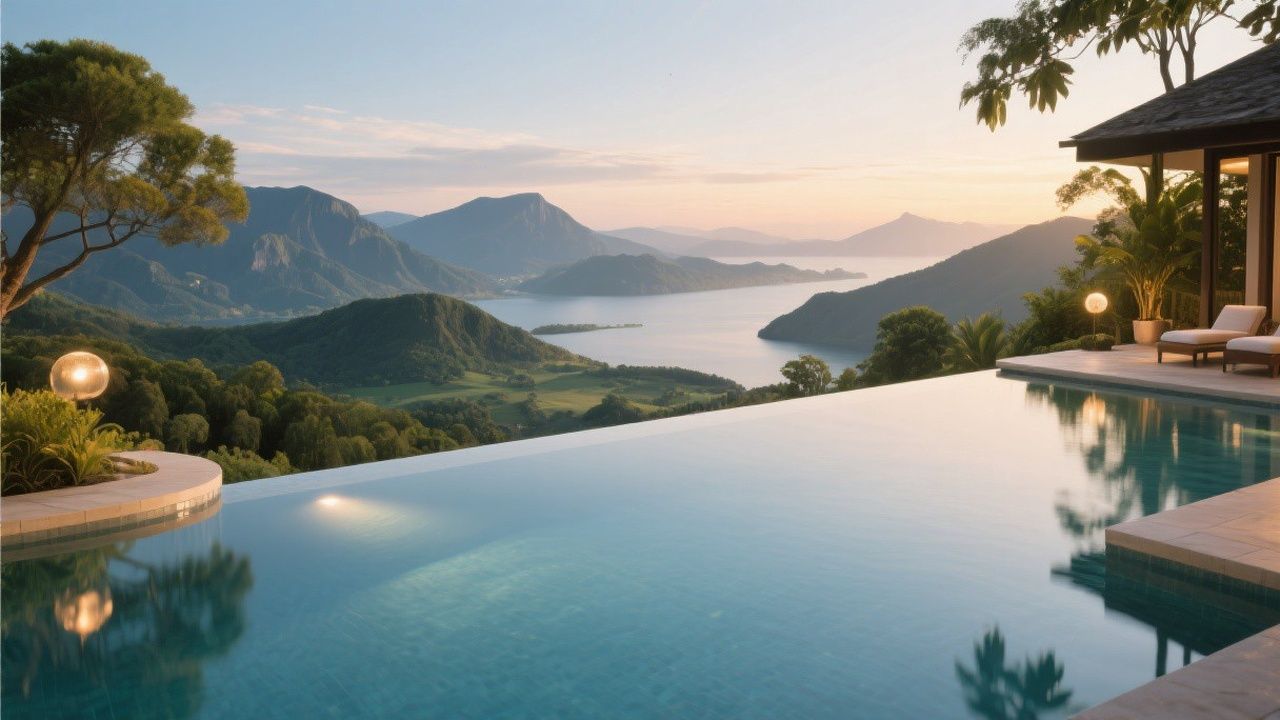
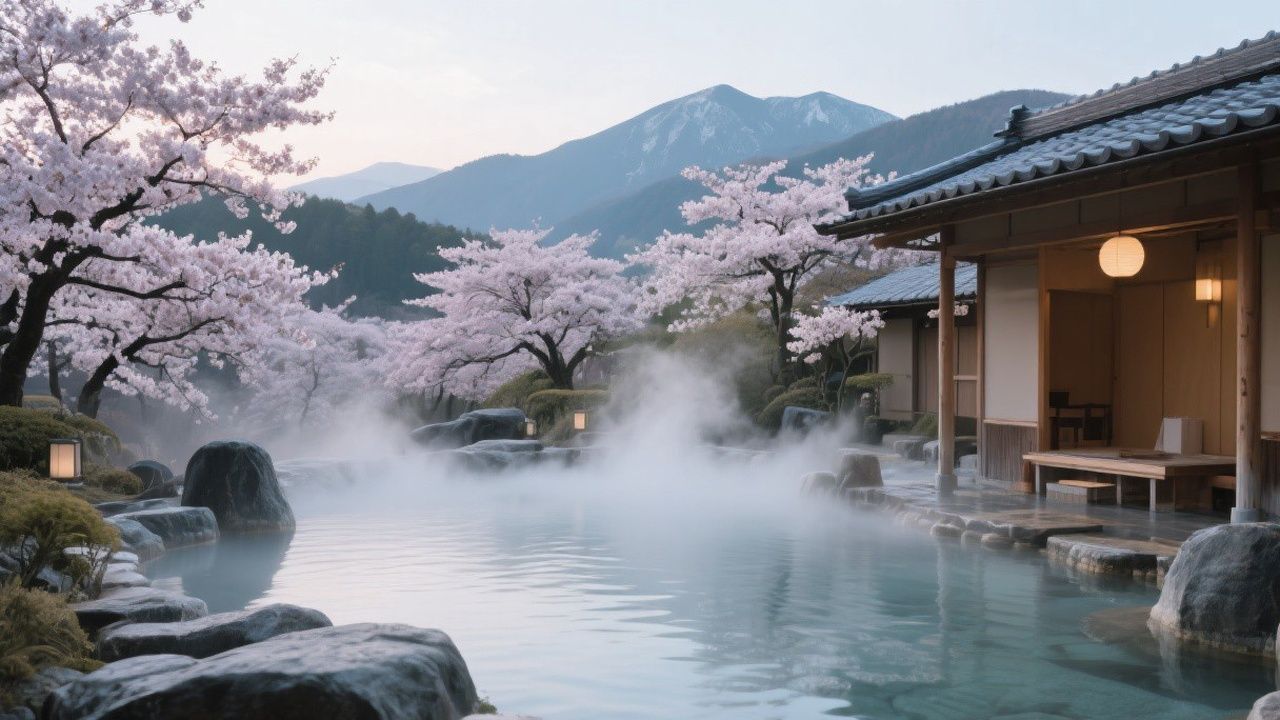
Rotenburo (outdoor baths) are the most scenic and my strong recommendation for first-time visitors. There is something profoundly calming about soaking in natural hot water while surrounded by forest, mountains, or ocean. The rotenburo at Tenzan Onsen in Hakone sits at the base of a lush green valley, and during autumn the surrounding maple trees create a canopy of red and gold. The outdoor bath at Notoya Ryokan in Yamagata overlooks the Sea of Japan, and watching the sunset from the water is an experience I rank among the best in all of Japan.
Indoor baths (notenburo) are typically larger and hotter, and some facilities offer multiple baths at different temperatures. I have seen onsen complexes with 15-20 different baths, each with a different mineral composition and temperature ranging from 36 to 45 degrees Celsius. Start with the warmest bath you can tolerate and work your way up. Limit each soak to 10-15 minutes, and take breaks between baths. I once spent 45 minutes straight in a 43-degree bath in Beppu and nearly fainted getting out. The staff gave me cold water and a blanket and told me to rest for 30 minutes. It was embarrassing and potentially dangerous.
Onsen Town Recommendations
Kusatsu Onsen in Gunma Prefecture is my top recommendation for first-time visitors. It is one of Japan's most famous onsen towns, with a charming central area built around the Yubatake, a wooden platform where hot spring water cascades down in steaming streams. The town has 11 public bathhouses, each with its own character. My favorite is Sainokawara Rotenburo, a massive outdoor bath surrounded by forest at the edge of town. Admission is 700 JPY (about 5 USD), and the water temperature is a comfortable 42 degrees. Kusatsu is easily accessible from Tokyo via a 2.5-hour train ride on the JR Agatsuma Line from Takasaki Station.
Kurokawa Onsen in Kumamoto Prefecture is a quieter, more atmospheric alternative. This tiny village of 30-some ryokan is nestled in a forested valley in Kyushu, and the entire town feels like stepping back in time. The Kurokawa Onsen pass (1,600 JPY) gives you access to three of the town's baths, and wandering between them along stone paths lined with mossy walls is magical. I visited in December when light snow was falling, and the contrast between the freezing air and the steaming baths was unforgettable. Getting there requires a flight to Kumamoto Airport followed by a 90-minute bus ride, but the journey is part of the experience.
For a day trip from Tokyo, Hakone is the most convenient option. The Hakone Yumoto Onsen area has dozens of public baths, and many are accessible via the Hakone Tozan Railway, a charming mountain train that switches back and forth up the hillside. Tenzan Onsen (1,500 JPY) has both indoor and outdoor baths and is a 15-minute walk from Hakone-Yumoto Station. Pair your onsen visit with a cruise on Lake Ashi and a ride on the Hakone Ropeway for a full day out.
Essential Tips to Keep in Mind
- Do not put your towel in the bath water. Place it on your head or on the edge of the bath.
- Enter the bath slowly. The water is extremely hot and sudden immersion can cause dizziness or nausea.
- Keep your voice low. Onsen are places of relaxation, not social gatherings. Quiet conversation is fine; loud talking is not.
- Do not swim in the bath. Onsen are for soaking, not exercise.
- Dry off completely before entering the changing area. Wet footprints on the floor are a slipping hazard.
- If you have open cuts or wounds, avoid onsen. The minerals can cause stinging and infection risk increases in warm water.
Frequently Asked Questions
Can pregnant women use onsen?
Most onsen advise against it due to the high water temperatures, which can raise core body temperature to dangerous levels during pregnancy. Some facilities offer lukewarm baths (below 38 degrees) that may be safer, but consult your doctor before visiting any onsen while pregnant.
Are there mixed-gender onsen?
They exist (called konyoku), but they are increasingly rare. Most are in rural areas like Tokachi in Hokkaido. Some require swimsuits, others do not. If you are uncomfortable with mixed nudity, stick to the standard segregated onsen, which are far more common.
How much does an onsen visit cost?
Public bathhouse admission typically ranges from 400 to 2,000 JPY (3-15 USD). Ryokan with onsen usually include bath access in the room rate, which ranges from 8,000 to 50,000 JPY per person per night depending on the level of luxury.
Final Thoughts
An onsen visit is more than a bath. It is a window into a cultural practice that has been refined over centuries, a moment of genuine stillness in a country that can feel overwhelming in its pace and intensity. I have visited onsen in every season: under cherry blossoms in spring, during typhoon rain in summer, amid fiery autumn foliage, and in knee-deep snow in winter. Each season transforms the experience entirely. The rules exist not to restrict you but to preserve the experience for everyone. Follow them, embrace the nudity, slow down, and let the water do its work. You will emerge not just clean, but somehow lighter.