The Ultimate Guide to Exploring Marrakech: Medina, Souks, and Beyond
The taxi from Marrakech Menara Airport dropped me at the edge of the medina, and within 30 seconds a man on a moped nearly clipped my shoulder, a shopkeeper waved me into his carpet store, and the call to prayer began echoing from a nearby minaret. I stood frozen on the sidewalk, clutching my backpack, completely overwhelmed. That was my introduction to Marrakech, and within an hour, I was hopelessly, irreversibly in love with the chaos. This Marrakech travel guide is the resource I needed on that first disorienting day, covering everything from navigating the souks to escaping the city entirely.
Marrakech has two distinct personalities. The medina, a UNESCO World Heritage Site, is a labyrinth of narrow alleys, centuries-old riads, and markets so dense you can lose your sense of direction within minutes. The ville nouvelle (new city), built during the French protectorate, offers wide boulevards, modern cafes, and a welcome respite from the intensity. I stayed in the medina at Riad Yasmine (about 450 dirhams, or $45 per night for a small room) and used the new city as an occasional escape. The riad was an oasis of calm -- a traditional courtyard house with mosaic tiles, a plunge pool, and a rooftop terrace where I ate breakfast every morning looking toward the Atlas Mountains.
major souks and what to buy
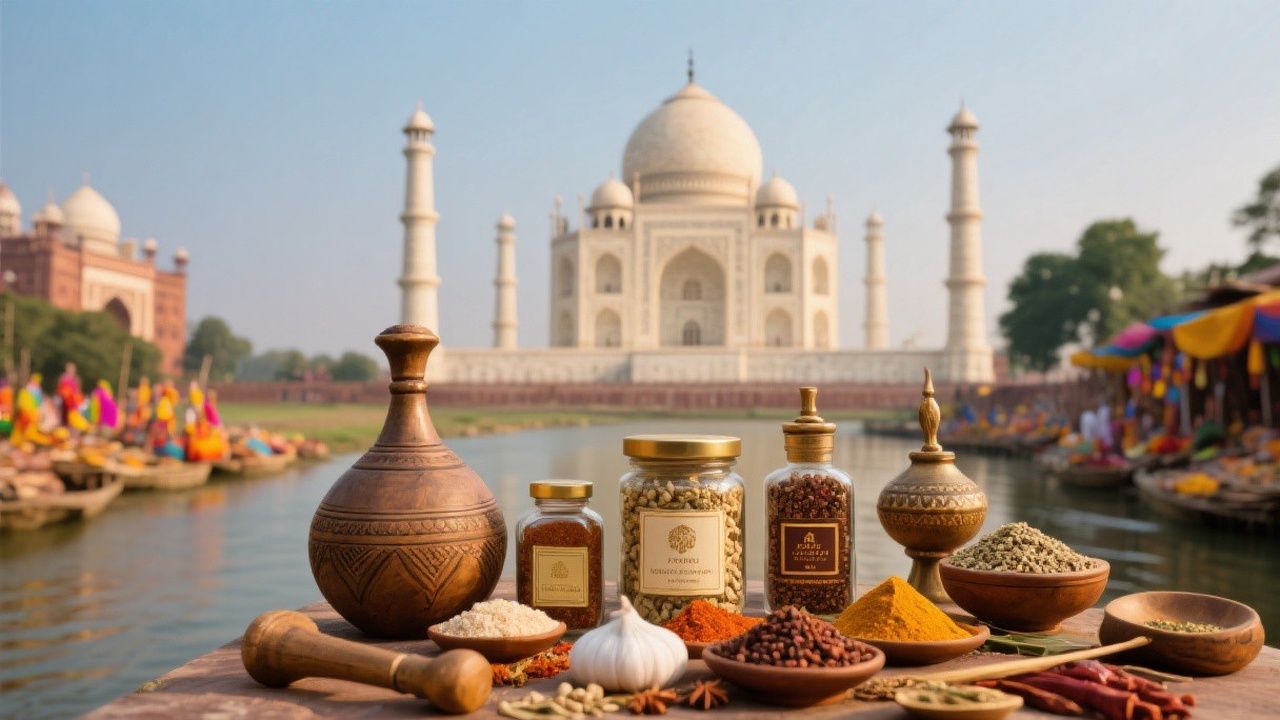
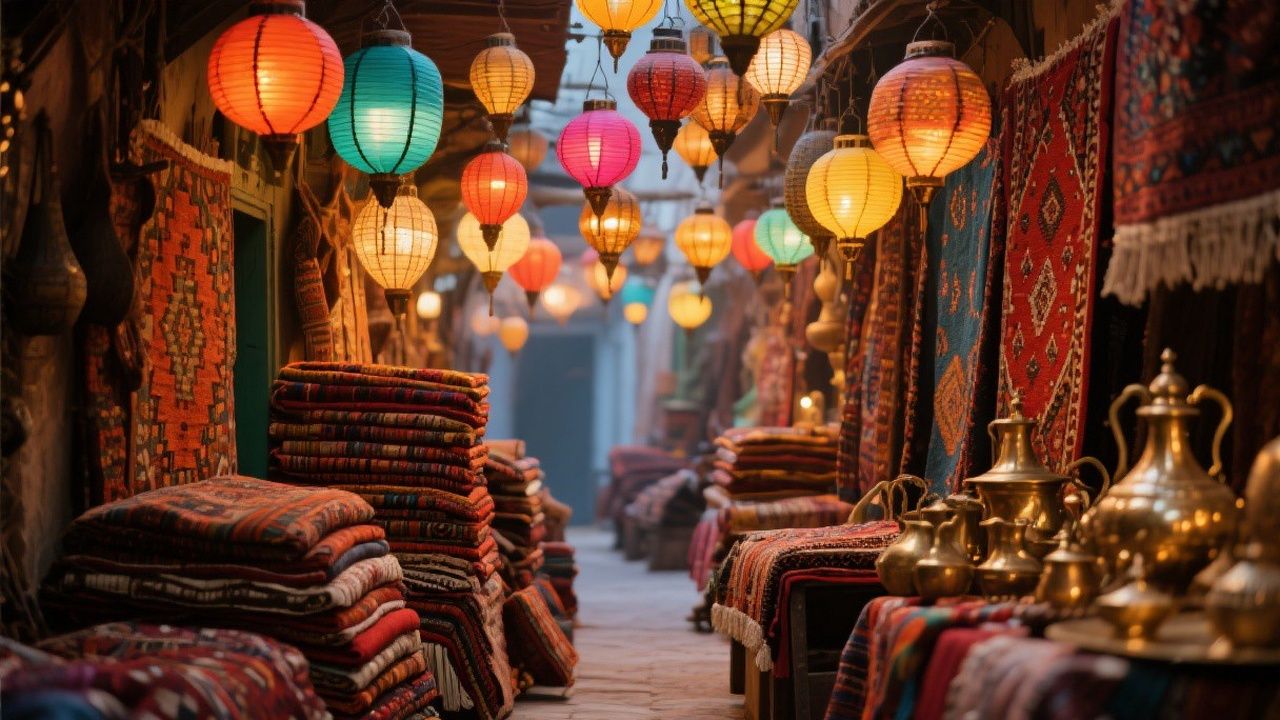
The souks of Marrakech are organized roughly by trade, and understanding this makes navigation much easier. The Spice Souk, near the Ben Youssef Mosque, is a sensory explosion of cumin, saffron, ras el hanout (a blend of 20 to 40 spices), and argan oil. I bought 100 grams of saffron for 150 dirhams ($15) from a vendor named Hassan who insisted I taste his homemade berbere spice mix. The leather goods souk, in the northern part of the medina, sells babouche slippers, bags, and jackets. A pair of hand-stitched leather babouches cost me 200 dirhams ($20) after bargaining.
The carpet souk is where you need the most patience and skepticism. Vendors will invite you in for mint tea, show you dozens of carpets, and quote prices that are often five to ten times the actual value. I visited a shop in the Crème de la Crème cooperative and was initially quoted 8,000 dirhams ($800) for a medium-sized Berber carpet. After 40 minutes of negotiation, tea drinking, and theatrical expressions of shock at the prices, I walked away with the carpet for 1,800 dirhams ($180). The experience was exhausting but also kind of fun once I understood the rules of the game.
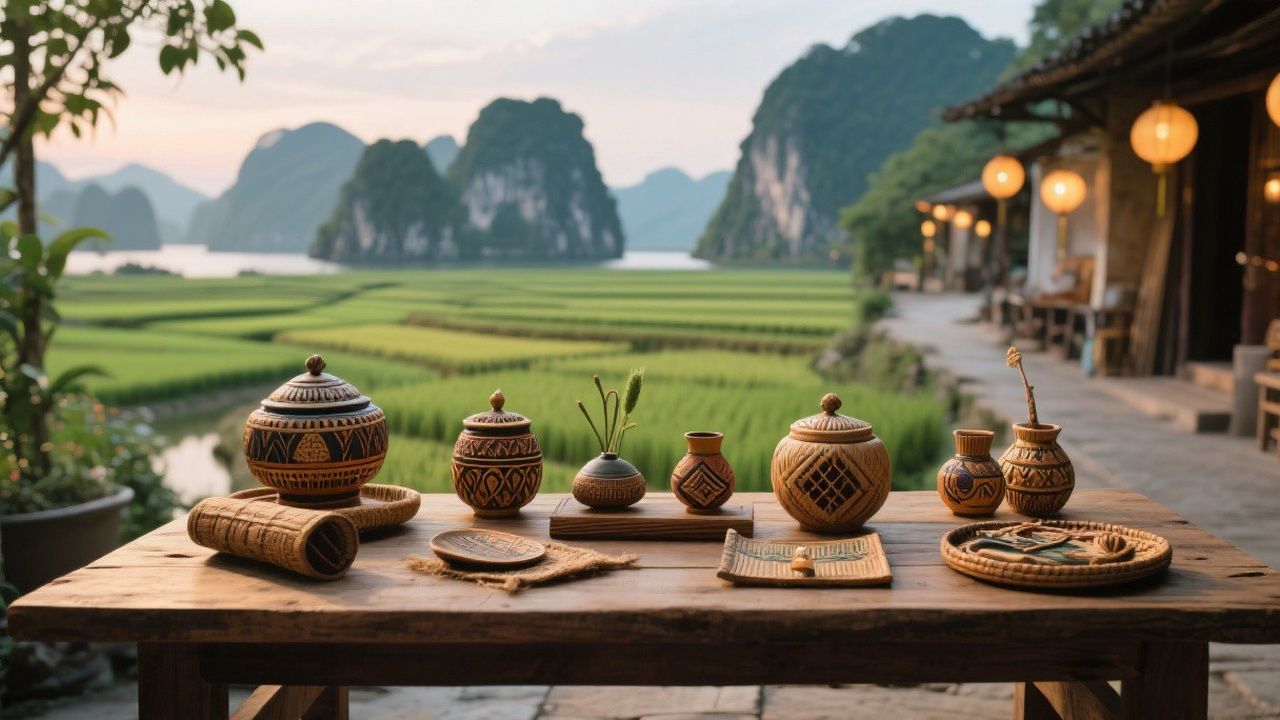
For ceramics, head to the potters' quarter near the Bab Ftouh gate. I bought a set of six tagine dishes -- hand-painted in the classic blue-and-white Fez style -- for 300 dirhams ($30). The Cooperative Feminine Tameslouht, a women's cooperative about 20 minutes outside the medina, offers fair-trade ceramics at fixed prices with no haggling required. I wish I had known about it before spending an hour bargaining in the main souk. Other worthwhile purchases include argan oil products (real argan oil from a cooperative costs 100 to 200 dirhams per liter), lanterns, and woven baskets. Avoid buying "antiques" -- virtually everything sold as antique in the souks is a reproduction.
Marrakech food guide
Marrakech's food scene ranges from street stalls to Michelin-starred restaurants, and the best meals I had were at both extremes. Start at the Jemaa el-Fnaa square at dusk, when dozens of food stalls set up and the square transforms into the world's most chaotic open-air restaurant. I ate at stall number 41 (look for the one with the longest line of locals) and had a plate of lamb tangia -- a Marrakech specialty where lamb is slow-cooked in an earthenware pot with spices and preserved lemons -- for 30 dirhams ($3). The lamb was so tender it fell apart at the touch of a fork. A fresh orange juice from a cart in the square costs 5 dirhams ($0.50) and is the best value in the city.
For sit-down meals, Nomad, a modern Moroccan restaurant overlooking the spice market, offers excellent tagines and couscous dishes in a stylish setting. I paid 180 dirhams ($18) for a three-course lunch including a lamb tagine, a fresh salad, and a pastilla (a sweet-and-savory pie filled with pigeon, almonds, and cinnamon). Le Jardin, a restaurant hidden inside a restored riad in the medina, serves creative Moroccan cuisine in a beautiful garden setting. My meal there cost 220 dirhams ($22) including a glass of Moroccan wine.
Do not miss a traditional hammam experience combined with a meal. I visited Herboristerie Bab Agnaou for a 90-minute hammam treatment (scrub, black soap, and rhassoul clay mask) for 300 dirhams ($30), then walked across the street to Cafe des Epices for a lamb kebab sandwich and mint tea. The combination of being scrubbed clean and then eating incredible food in the medina is peak Marrakech. For breakfast, try msemen (a flaky, layered flatbread) with honey from any street stall for 5 dirhams. I ate it every single morning and never got tired of it.
Atlas Mountains day trip
The High Atlas Mountains rise dramatically behind Marrakech, and a day trip to the Ourika Valley or Imlil Valley provides a stunning contrast to the medina's intensity. I booked a shared day trip through my riad for 250 dirhams ($25) per person to the Ourika Valley, about 90 minutes south of Marrakech. The drive climbs through terraced farmland, Berber villages, and walnut groves, with the mountains growing more imposing with each kilometer.
The highlight was a guided hike to Setti Fatma waterfall, a series of seven cascades in a lush valley. The hike took about two hours round trip, crossing streams and climbing over boulders. My guide, a Berber man named Ahmed, charged an additional 100 dirhams ($10) and pointed out medicinal plants, explained Berber farming practices, and told stories about growing up in the valley. The final waterfall is the most impressive, dropping about 30 meters into a pool where locals swim in summer. I visited in November and the water was freezing, but a few brave souls still took the plunge.
For a more ambitious trip, the Toubkal National Park and the village of Imlil offer multi-day trekking options. Mount Toubkal, North Africa's highest peak at 4,167 meters, is a two-day climb from Imlil. I did not attempt the summit on this trip, but I met a couple from London who did it in two days with a guide for 1,500 dirhams ($150) per person including accommodation in a mountain refuge. For a less strenuous mountain experience, the Ouirgane valley, about 90 minutes from Marrakech, offers gentle walks through olive groves and eucalyptus forests with views of the snow-capped peaks.
haggling in the souks
Haggling is not optional in the Marrakech souks -- it is expected, and not doing it is actually considered rude. The first price quoted is always inflated, typically by 50 to 300 percent depending on the item and the vendor's assessment of you. My approach, refined over several days of practice: start at one-third of the asking price, meet in the middle, and be prepared to walk away. Walking away is the single most effective negotiation tactic. Nine times out of ten, the vendor will call you back with a lower price.
Never show too much interest in an item. If you pick something up and examine it closely, the vendor assumes you are committed and will hold firm on price. Instead, browse casually, ask the price of several items, and only negotiate seriously on the one you actually want. Carry small bills -- vendors often claim not to have change for large notes, which is a pressure tactic to round up in their favor. I always carried a stack of 20 and 50 dirham notes.
Remember that haggling is supposed to be social and good-natured, not adversarial. Smile, joke, accept mint tea, and treat the negotiation as part of the cultural experience. I bought a brass lantern for 350 dirhams ($35) after 25 minutes of negotiation that included two cups of tea, a tour of the workshop, and a lengthy discussion about the vendor's family. I probably still overpaid, but I enjoyed the process and the lantern looks beautiful in my living room. The golden rule: if you agree on a price, do not back out. It is considered deeply dishonorable.
Essential Tips to Keep in Mind
- Download an offline map of the medina before you arrive. Google Maps works in the main streets but is unreliable in the narrow alleys. I used Maps.me, which worked better in the medina's tight passages.
- Stay in a riad rather than a hotel. Riads are traditional courtyard houses converted into guesthouses, and they offer an authentic, atmospheric experience that chain hotels cannot match. Budget riads start around 250 dirhams ($25) per night.
- Agree on taxi prices before getting in. Petit taxis within Marrakech should cost 20 to 50 dirhams ($2-$5) depending on distance. If the driver will not use the meter, negotiate the fare upfront or find another taxi.
- Be cautious with street food if you have a sensitive stomach. I ate street food daily for a week and had no issues, but I stuck to cooked foods and avoided raw vegetables. Carry Imodium and oral rehydration salts as a precaution.
- Visit the Jardin Majorelle early in the morning. The famous blue garden, restored by Yves Saint Laurent, charges 70 dirhams ($7) for entry and gets extremely crowded by 11:00 AM. I arrived at 9:00 AM and had the cactus garden almost to myself.
Frequently Asked Questions
Is Marrakech safe for tourists?
Generally yes, though petty crime like pickpocketing occurs in crowded areas. I never felt physically unsafe, but I was followed by aggressive vendors several times. Walk confidently, stay in well-lit areas at night, and keep valuables in a money belt or inner pocket. Solo female travelers report mixed experiences -- most feel safe but note frequent unwanted attention.
How many days do you need in Marrakech?
Three days covers the medina, souks, major gardens, and a day trip to the Atlas Mountains. Five days lets you add cooking classes, hammam visits, and day trips to Essaouira or the Agafay Desert. I spent five days and felt it was the right amount.
What is the best time to visit Marrakech?
March to May and September to November offer the most comfortable temperatures (20 to 28 degrees Celsius, 68-82 Fahrenheit). Summer (June through August) is brutally hot, with temperatures regularly exceeding 40 degrees Celsius (104 Fahrenheit). Winter can be chilly at night but pleasant during the day.
Final Thoughts
Marrakech is not a city that politely introduces itself. It throws you in headfirst and expects you to keep up. The noise, the colors, the smells, the constant negotiation -- it is exhausting and exhilarating in equal measure. But once you find your rhythm, once you learn to navigate the souks without a map and distinguish genuine hospitality from a sales pitch, Marrakech reveals itself as one of the most vibrant, alive cities on Earth. My Marrakech medina guide can prepare you, but the real education happens on the ground, one mint tea at a time.