The Ultimate Guide to Exploring Dubrovnik and the Dalmatian Coast
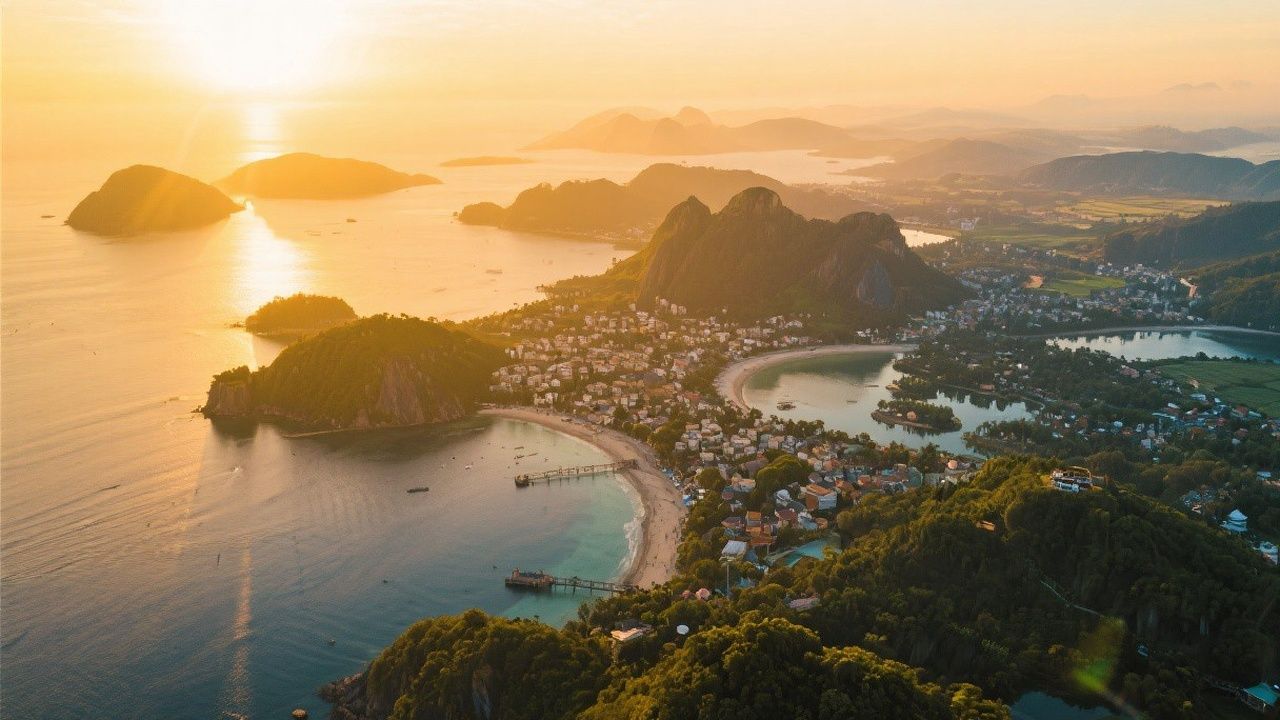
I spent three weeks island-hopping along Croatia's Adriatic shoreline last September, and I still dream about the color of that water — a shade of blue so vivid it barely looks real. The Dalmatian Coast stretches roughly from Zadar in the north down to Dubrovnik in the south, a 600-kilometer ribbon of limestone cliffs, hidden coves, and medieval towns. Here's everything I learned the hard way so you don't have to.
Split Diocletian Palace
Most visitors treat Split as a transit hub, but that's a mistake. Split's Diocletian Palace is not really a palace in the traditional sense. Built around 300 AD as a retirement compound for the Roman emperor Diocletian, the structure gradually morphed into a living neighborhood. Today, roughly 3,000 people still live inside its walls, and the "palace" is essentially the old town itself.
For food, skip the overpriced restaurants lining the Riva and head to the Green Market (Pazar) just outside the palace walls. I bought fresh figs, a wedge of paški sir (sheep's cheese from the island of Pag), and pršut (Dalmatian prosciutto) from a vendor who had been running his stall for 40 years. Total cost: about 60 HRK for a picnic that rivaled any restaurant meal I had in Croatia.
Plitvice Lakes Day Trip
Plitvice Lakes National Park sits about two and a half hours inland from Zadar by bus, and it is one of the most beautiful places I've ever seen. Sixteen terraced lakes connected by waterfalls and wooden walkways, all surrounded by dense beech and fir forest. The water shifts between turquoise, emerald, and deep sapphire depending on the mineral content and the angle of the sun.
The park has two main entrances and several route options. I recommend Route C or Route H, both covering the full park and including a boat ride across Lake Kozjak. Route C takes about 4-6 hours and costs 300 HRK in peak season (April-October); Route H adds a train ride and takes 6-8 hours for 350 HRK. Book your tickets online at least a week ahead in summer — daily visitor numbers are capped at around 10,000.
Go early. I arrived at 7:30 AM and had the Lower Lakes section almost entirely to myself for the first hour. By 11 AM, the wooden walkways were packed. Wear shoes with good grip — the boardwalks get slippery near the waterfalls. Bring a packed lunch because the on-site cafeteria is overpriced and underwhelming.
Sea Kayaking Experiences
Sea kayaking along the coast near Dubrovnik was the single best activity I did in Croatia. I booked a half-day tour with Adriatic Kayak Tours (about 450 HRK or $65 USD) that launched from a small beach near Orasac village, 20 minutes north of the Old Town. Our group paddled along the base of the city walls, around Lokrum Island, and into a hidden cave accessible only from the water.
The kayaking is manageable for beginners — the Adriatic is generally calm in the morning, and our guide kept a relaxed pace with plenty of breaks for swimming and snorkeling. The caves along the coast are genuinely magical: sunlight filters through cracks in the rock and turns the water an impossible shade of aquamarine. I saw sea urchins, small schools of fish, and one fairly large octopus clinging to the cave ceiling.
If you're based in Dubrovnik, you can also kayak to Betina Cave beach, a secluded pebble cove unreachable by land. Several companies run sunset tours with wine and snacks on the beach — expect to pay around 550-650 HRK. Book at least two days in advance during July and August.
Ferry Schedules and Booking
The Jadrolinija ferry is the backbone of Dalmatian travel. The main coastal route runs from Rijeka down to Dubrovnik, stopping at Split, Hvar, Korčula, and several smaller islands. The most popular segment is Split to Hvar (1 hour, 55-115 HRK depending on whether you choose the slower car ferry or the faster catamaran) and Hvar to Korčula (35 minutes, about 60 HRK).
Here's what nobody tells you: the catamaran does not carry cars, so if you're traveling with a vehicle, you're stuck on the slower car ferry. Also, catamaran tickets sell out fast — I tried to book Split-Hvar two days ahead in mid-September and the morning departures were already full. Use the official Jadrolinija website or app to book; third-party resellers charge a 10-20% markup.
For island-hopping, consider buying a multi-ride pass if you plan to take 3 or more ferries. The Split-based agency Krilo also runs private catamarans between Split, Hvar, Brač, and Bol that are slightly faster and less crowded. A one-way ticket from Split to Hvar on Krilo costs about 130 HRK.
Essential Tips to Keep in Mind
- Visit in September or October. The water is still warm enough to swim (around 22-24°C), prices drop by 20-30%, and the crowds thin dramatically after the first week of September.
- Croatia joined the Eurozone in January 2023, so euros are accepted in many places, but you'll often get a worse exchange rate. Pay in kunas when possible.
- Book accommodation in Dubrovnik's Old Town at least two months ahead for summer stays. A decent double room inside the walls runs 800-1,200 HRK per night in high season. Look at apartments in the Lapad neighborhood for better value.
- Avoid restaurants with photo menus and aggressive touts outside. The best konobas (traditional taverns) are tucked into side alleys with handwritten menus in Croatian.
- Bring water shoes. Every beach along the Dalmatian Coast is rocky or pebbly — there is virtually no sand except at a few spots on the islands of Brač and Lopud.
Frequently Asked Questions
How many days do you need in Dubrovnik? Two full days is the sweet spot — one for the Old Town walls and main sights, another for kayaking or a day trip to Lokrum Island.
Is the Dalmatian Coast expensive? It's moderate by Western European standards. Budget travelers can get by on 500-700 HRK per day. Mid-range travelers should expect 1,000-1,500 HRK per day. Dubrovnik is the most expensive city; Split and Zadar are significantly cheaper.
Do you need a car? Not necessarily. The ferries and buses are efficient and well-connected. Rent a car only if you plan to explore inland areas like Plitvice Lakes or the Istrian Peninsula.
Final Thoughts
The Dalmatian Coast has a way of ruining other beach destinations for you. After three weeks of swimming in water that looked like it belonged in a travel agency's wildest Photoshop fantasies, eating seafood caught that morning, and watching sunsets from 1,700-year-old Roman walls, every other coastline I've visited since feels muted by comparison. The key is slowing down. Don't try to squeeze Split, Hvar, Korčula, and Dubrovnik into a week. Pick two or three bases, stay put for a few days each, and let the rhythm of the Adriatic do its work.