Vietnamese Coffee Products: A Guide to the World's Best Coffee Culture
I first tasted Vietnamese coffee on a humid morning in Ho Chi Minh City, sitting on a tiny plastic stool on a sidewalk in District 1. The vendor placed a small aluminum phin filter on top of my glass, and for the next five minutes, I watched dark, thick coffee drip slowly into a pool of sweetened condensed milk. One sip, and I understood why Vietnam is the second-largest coffee producer on the planet. The intensity, the sweetness, the ritual of it all — Vietnamese coffee products are unlike anything else you will find anywhere in the world, and bringing a few bags home is one of the smartest things any traveler can do.
Coffee Growing Regions
Vietnam's coffee story begins in the Central Highlands, a vast plateau stretching across Dak Lak, Lam Dong, Gia Lai, and Kon Tum provinces. This region sits at elevations between 500 and 1,500 meters, with volcanic red soil that gives the beans a distinctive earthy, chocolatey character. Dak Lak alone produces nearly 40 percent of the country's total coffee output, and the town of Buon Ma Thuot serves as the unofficial coffee capital. I visited a small family farm outside Buon Ma Thuot in 2023 and watched farmers hand-picking ripe Robusta cherries from trees that had been in their family for three generations. The Robusta grown here is bold, high in caffeine (roughly twice that of Arabica), and carries notes of dark chocolate, roasted nuts, and sometimes a faint woody smokiness.
Lam Dong province, home to Da Lat, is where you will find Vietnam's growing specialty Arabica scene. The cooler climate around Da Lat — temperatures regularly dip below 15 degrees Celsius at night — creates ideal conditions for Arabica varieties like Catimor, Typica, and Bourbon. Farms like Langbiang Coffee and K'Ho Coffee have gained international recognition for their single-origin Arabica beans, which sell for 250,000 to 400,000 VND per 250-gram bag. The flavor profile is completely different from the lowland Robusta: expect bright acidity, floral aromas, and stone fruit notes that would feel right at home in a third-wave café in Portland or Melbourne.
If you want to explore beyond the usual suspects, the northern mountains around Son La and Dien Bien are producing interesting experimental lots. These are harder to find in city shops but are worth tracking down if you spend time in the northwest. The beans tend to be lighter-bodied with herbal and citrus undertones, reflecting the cooler microclimate and the influence of neighboring Laos and Yunnan coffee traditions.
Buying Coffee Equipment
The phin filter is the single most important piece of Vietnamese coffee equipment you can own, and buying one in Vietnam costs a fraction of what you would pay abroad. At Ben Thanh Market in Ho Chi Minh City, a standard stainless steel phin costs between 30,000 and 60,000 VND (about $1.25 to $2.50 USD). I picked up a set of three different sizes for under 100,000 VND and they have lasted me years. The key is to look for heavy-gauge stainless steel rather than thin aluminum — the weight affects how evenly the water distributes through the grounds. Most phin filters come in 80ml, 120ml, and 170ml sizes, corresponding to single, double, and large servings.
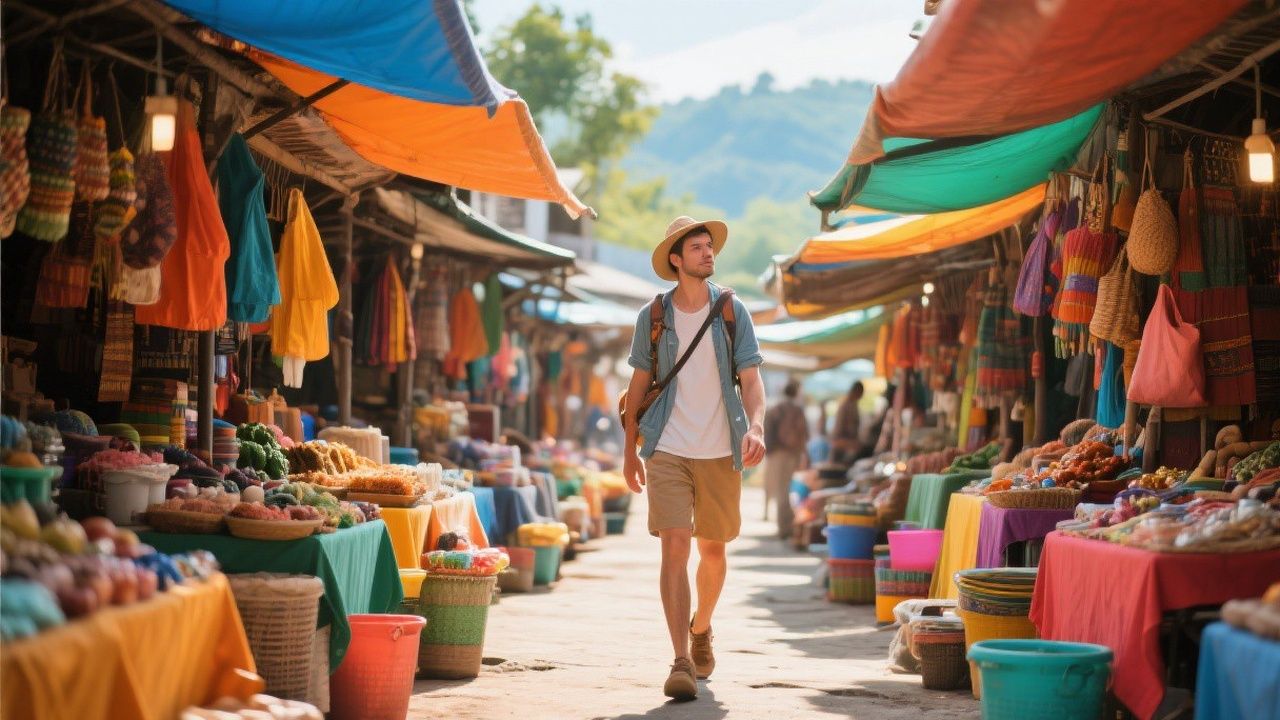
Beyond the phin, Vietnamese markets are full of coffee-related gear. Ceramic drip cups with matching saucers make beautiful gifts and cost around 40,000 to 80,000 VND at craft markets in Hoi An. Roasted coffee bean grinders — the manual hand-crank variety — sell for 150,000 to 300,000 VND and are surprisingly effective for home use. For condensed milk, the brand everyone swears by is Longevity (often labeled as "Ong Tho"), available at any convenience store for about 12,000 VND per can. Do not bother with international brands; the local stuff is sweeter, thicker, and specifically formulated for Vietnamese coffee preparation.
If you want to go deeper, some specialty shops in District 3 of Ho Chi Minh City sell home roasting equipment. A small batch roaster from Javaling goes for about 2.5 million VND, and they offer free workshops on weekends. It is a significant investment, but for serious coffee enthusiasts, roasting your own Vietnamese beans at home is incredibly rewarding.
Hanoi Coffee Culture
Hanoi's coffee culture operates on a completely different frequency from the south. While Ho Chi Minh City rushes through its iced coffees on the way to work, Hanoi slows down and treats coffee as a social event that can last hours. The Old Quarter alone has hundreds of cafés tucked into narrow alleyways and colonial-era buildings. Cafe Giang, hidden down a labyrinthine alley at 39 Nguyen Huu Huan Street, is legendary — it is the birthplace of egg coffee, invented in the 1940s by Mr. Giang during a milk shortage. A cup costs 35,000 VND, and the experience of sitting on a tiny balcony overlooking the alley while sipping something that tastes like a liquid tiramisu is unforgettable.
For something more modern, the area around Ta Hien Beer Street has become a hotspot for specialty coffee. cafes like Note Coffee and Loading T allow you to write messages on sticky notes and plaster them on the walls, creating a chaotic, colorful atmosphere. Expect to pay 40,000 to 65,000 VND for a pour-over or flat white at these spots. The quality rivals anything I have had in London or Tokyo, and the baristas take their craft seriously. I watched a barista at Loading T weigh beans to 0.1 gram precision and dial in a V60 pour-over for nearly four minutes before serving.
Do not miss the traditional sidewalk coffee scene around Hoan Kiem Lake. Every morning from 6 AM, elderly men set up small tables and plastic stools, brewing strong black coffee (called "ca phe den") for 10,000 to 15,000 VND per cup. It is thick, almost syrupy, and packs enough caffeine to keep you going until dinner. This is the real, unfiltered Hanoi coffee experience — no Wi-Fi, no air conditioning, just strong coffee and animated conversation.
Egg Coffee Experience
Egg coffee deserves its own deep dive because it genuinely surprised me. The concept sounds questionable — whisked egg yolk mixed with condensed milk and poured over strong black coffee — but the result is extraordinary. The egg mixture creates a thick, creamy layer on top of the coffee that is essentially a custard. When you stir it together, the drink becomes rich, sweet, and deeply satisfying, with the bitterness of the coffee cutting through the egg's richness. Cafe Giang still makes the original, but Cafe Dinh at 13 Dinh Tien Hoang Street offers a nearly identical version with a slightly less sweet profile and a view of St. Joseph's Cathedral.
The secret, I learned from a barista at Cafe Giang, is in the whisking technique. They use a hand-held frother and whisk the egg yolk and condensed milk for about seven minutes until the mixture triples in volume and develops a mousse-like texture. The coffee underneath is brewed extra strong using a dark-roast Robusta to ensure the flavors balance. A proper cup of egg coffee should have a visible separation between the golden egg layer on top and the dark coffee below, and it should be served hot in a small ceramic cup placed in a bowl of warm water to maintain temperature.
Egg coffee is not something you can easily replicate at home with standard ingredients. The Vietnamese condensed milk has a different sugar-to-fat ratio than Western brands, and the Robusta used is specifically roasted to pair with the egg. If you want to try making it yourself, buy a bag of Trung Nguyen Legend Weasel (the pre-ground version works fine) and a can of Longevity condensed milk before leaving Vietnam. The Weasel coffee costs about 180,000 VND for a 250-gram tin and produces a strong, dark brew that works perfectly as the base.
Essential Tips to Keep in Mind
- Buy coffee from local roasters rather than tourist markets. Shops like The Coffee House, Phuc Long, and Trung Nguyen have consistent quality, but smaller roasters in Da Lat and Buon Ma Thuot offer better prices and more interesting single-origin options.
- Check the roast date. Vietnamese coffee sold in tourist markets is often months old. Specialty shops in Da Lat and Hanoi print roast dates on their bags — look for beans roasted within the past two weeks.
- Declare coffee at customs. Most countries allow up to 5 kilograms of roasted coffee for personal use, but always check your destination's regulations. Green (unroasted) coffee is restricted in many countries due to agricultural concerns.
- Try before you buy in bulk. Most Vietnamese coffee shops will brew you a small tasting cup for free or for a nominal charge of 10,000 to 20,000 VND. Never buy a kilogram bag without tasting first.
- Store Vietnamese coffee in an airtight container away from sunlight. The high humidity in Vietnam means beans can absorb moisture quickly. Vacuum-sealed bags from specialty roasters are your best bet for transport.
Frequently Asked Questions
How much does Vietnamese coffee cost? A 250-gram bag of quality Vietnamese coffee ranges from 80,000 VND for commercial Robusta blends to 400,000 VND for specialty single-origin Arabica from Da Lat. At cafés, a cup of traditional iced coffee (ca phe sua da) costs 25,000 to 45,000 VND, while specialty drinks range from 45,000 to 85,000 VND.
Can I bring Vietnamese coffee on a plane? Yes. Roasted coffee beans and ground coffee are allowed in both carry-on and checked luggage in most countries. The TSA and equivalent agencies do not restrict coffee. However, some countries restrict green (unroasted) coffee beans, so stick to roasted products.
What is weasel coffee and is it ethical? True weasel coffee (ca phe chon) involves civets eating and partially digesting coffee cherries. Most "weasel coffee" sold in tourist shops is artificially processed and not the genuine article. If ethics concern you, skip it entirely and buy regular Vietnamese coffee — the quality difference is minimal for casual drinkers.
Final Thoughts
Vietnamese coffee is more than a beverage — it is a window into the country's history, agriculture, and daily rhythm. From the misty highlands of Dak Lak to the cramped, charming cafés of Hanoi's Old Quarter, every cup tells a story. I brought home five kilograms of coffee on my last trip and rationed it over six months, each morning's brew transporting me back to those plastic stools and humid alleyways. Buy generously, taste widely, and do not be afraid to ask questions — Vietnamese coffee vendors are some of the most passionate and welcoming people you will meet on any travel adventure.