A Complete Guide to Exploring the Amazon Rainforest: Brazil and Peru
River Cruise Options
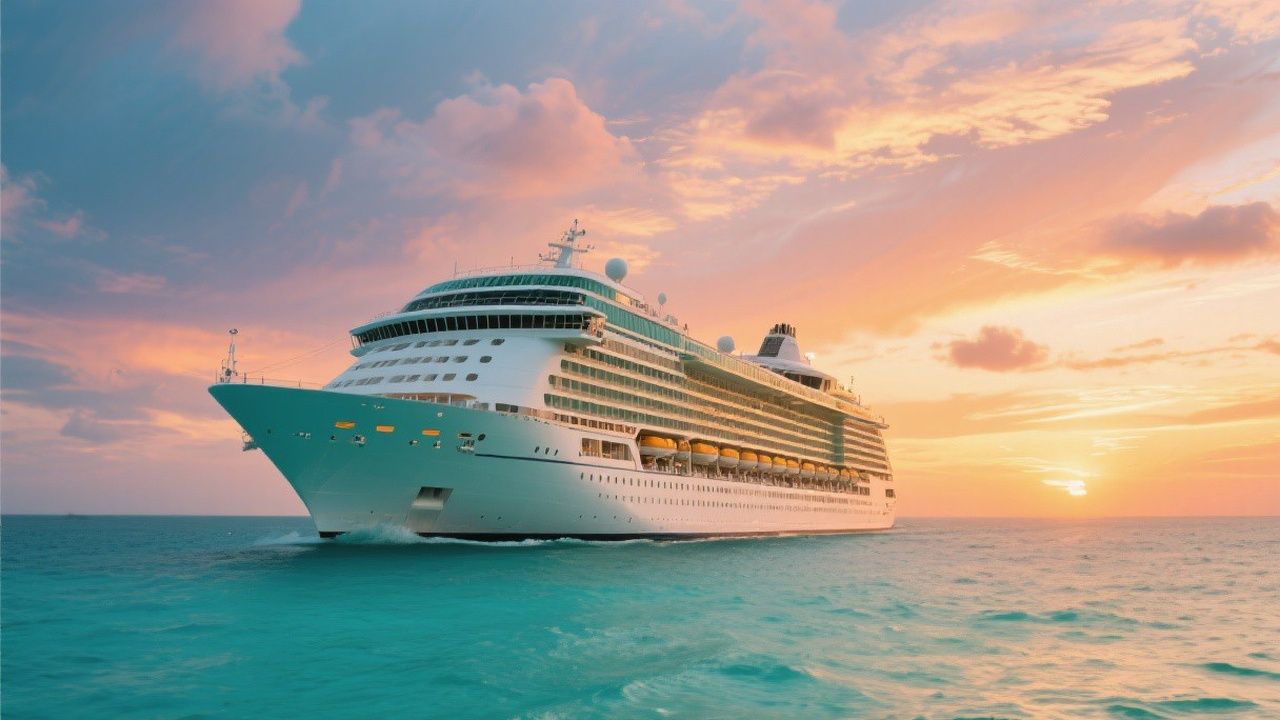
River cruises are the classic way to experience the Amazon. In Brazil, cruises depart from Manaus's port of São Raimundo, where a chaotic flotilla of wooden boats, cargo vessels, and luxury riverboats jostle for dock space. At the budget end, you can book a hammock on a regional boat heading up the Rio Negro to Barcelos for about 150 BRL ($30) per day. These are working riverboats — you sling your hammock on the open deck, share meals of rice, beans, and grilled fish with locals, and make stops at riverside communities that have never seen a tour group.
Mid-range cruises in Brazil run $150 to $300 per day and include private cabins, guided excursions, and meals. I went with a 4-day trip on a 16-passenger boat operated by a Manaus-based outfitter, and it struck the right balance between comfort and authenticity. We kayaked through flooded forests, fished for piranha, and spotted three-toed sloths during night excursions. In Peru, cruises from Iquitos tend to be more structured and pricier — expect $200 to $500 per day, with luxury options like the Delfin III pushing $800 per person per night.
The key difference between the two countries is the river itself. Brazil's Rio Negro has dark, tannin-stained water with fewer mosquitoes, while Peru's Amazon River is a muddy brown with higher wildlife density along its banks. If you want raw adventure, go Brazil. If you want more reliable wildlife sightings and a smoother logistical experience, go Peru. Either way, book at least 3 to 4 days — anything shorter feels like a tease.
Iquitos Jungle Lodges
Iquitos is the largest city in the world unreachable by road — you fly in over endless green canopy, and the descent alone is breathtaking. From Iquitos, jungle lodges line the Amazon and its tributaries, accessible by speedboat rides of 30 minutes to 3 hours. I stayed at ExplorNapo Lodge, a rustic but well-run property 160 km from the city, reachable via a 2-hour boat ride followed by a 45-minute walk through primary forest. The lodge runs on solar power, rooms have mosquito nets, and the food — fresh-caught paiche fish, plantain dishes, and surprisingly good fruit juices — was better than most Lima restaurants.
Prices for Iquitos-area lodges range from $80 to $150 per night, including all meals and guided excursions. Budget options like Heliconia Amazon River Lodge start around $70 per night but are closer to the city and feel less immersive. The sweet spot is in the $100 to $130 range — you get comfortable beds, decent food, and guides who actually know the difference between a capybara and an agouti. Most lodges offer packages of 3 to 7 nights. I recommend 4 nights minimum — the first day is consumed by travel, and the second and third are full of excursions.
The canopy walkway near ExplorNapo — a series of suspension bridges 35 meters above the forest floor — was the single most thrilling thing I did in the Amazon. You hear the forest from above, and the perspective completely changes how you understand the ecosystem.
Wildlife Spotting Guide
Manage your expectations. The Amazon is not a zoo. You will not see a jaguar on your first afternoon. That said, with patience and a good guide, the wildlife encounters are extraordinary. During my combined two weeks in Brazil and Peru, I saw pink river dolphins, capybaras, three species of monkey, caimans on night floats, toucans, macaws, and a two-toed sloth that hung above our trail for 20 minutes, completely indifferent to our presence.
The best times for wildlife viewing are early morning (5:30 to 7:30 AM) and evening (4:00 to 6:30 PM). Night excursions with a spotlight are essential — caimans' eyes reflect red, spiders' eyes reflect green, and the forest transforms into an entirely different world after dark. Bring a headlamp with a red-light mode to avoid disturbing animals. A decent pair of binoculars (8x42 or 10x42) is non-negotiable — your phone camera will not capture the toucan perched 50 meters up a kapok tree.
Indigenous Community Visits
Many tours include visits to indigenous communities, and these range from deeply meaningful to uncomfortably performative. The best visits I experienced were arranged through lodges that have long-standing relationships with specific villages. At a Yagua community near Iquitos, our guide had been working with the village for seven years. We learned about traditional blowgun hunting, medicinal plants, and the challenges of balancing cultural preservation with economic pressure from tourism.
Be critical of tours that describe indigenous visits as "seeing primitive people." These are modern people with smartphones and opinions about politics — they're not living museum exhibits. If a visit feels staged, it probably is. Always ask before taking photos of people, and be prepared for some to say no. Bring small, practical gifts — school supplies, fishing hooks, batteries — rather than candy or cheap plastic toys.
Essential Tips to Keep in Mind
- Get yellow fever vaccination at least 10 days before arrival. Malaria prophylaxis is recommended for the Peruvian Amazon.
- Bring DEET-based repellent (50% concentration minimum), long-sleeved lightweight clothing, and a wide-brimmed hat.
- Pack everything in dry bags. Humidity destroys electronics, books, and morale. A 10-liter dry bag for day excursions is essential.
- US dollars in crisp, undamaged bills are the most useful currency in both Brazil and Peru's Amazon regions. ATMs in Iquitos are unreliable.
- The dry season (June to November) offers better trail conditions and fewer mosquitoes. The wet season (December to May) means higher water levels and easier boat access to flooded forests.
Frequently Asked Questions
Is the Amazon safe? Yes, for tourists. The main risks are mosquito-borne illness and accidents on boats or trails. Choose reputable operators and take health precautions seriously.
How much does an Amazon trip cost? Budget travelers can do it for $50 to $80 per day. Mid-range trips run $150 to $300 per day. Luxury cruises exceed $500 per day.
Do I need a guide? Absolutely. The forest is dense, trails are unmarked, and a good guide spots wildlife you'd walk past without noticing.
Final Thoughts
The Amazon changed how I think about travel. It's not a place you check off a list — it's a place that recalibrates your sense of scale. Standing in primary forest that has never been logged, listening to a symphony of insects and birds you can't identify, you realize how small and temporary human concerns really are. Go with an open mind, comfortable boots, and enough bug spray to survive the apocalypse. The discomfort is part of the point, and the moments of connection — with the forest, with communities, with the absurdity of a pink dolphin surfacing three feet from your kayak — are the kind of memories that reshape what travel means to you.