Complete Guide to Exploring Myanmar: From Yangon to Bagan
Bagan Temple Sunrise
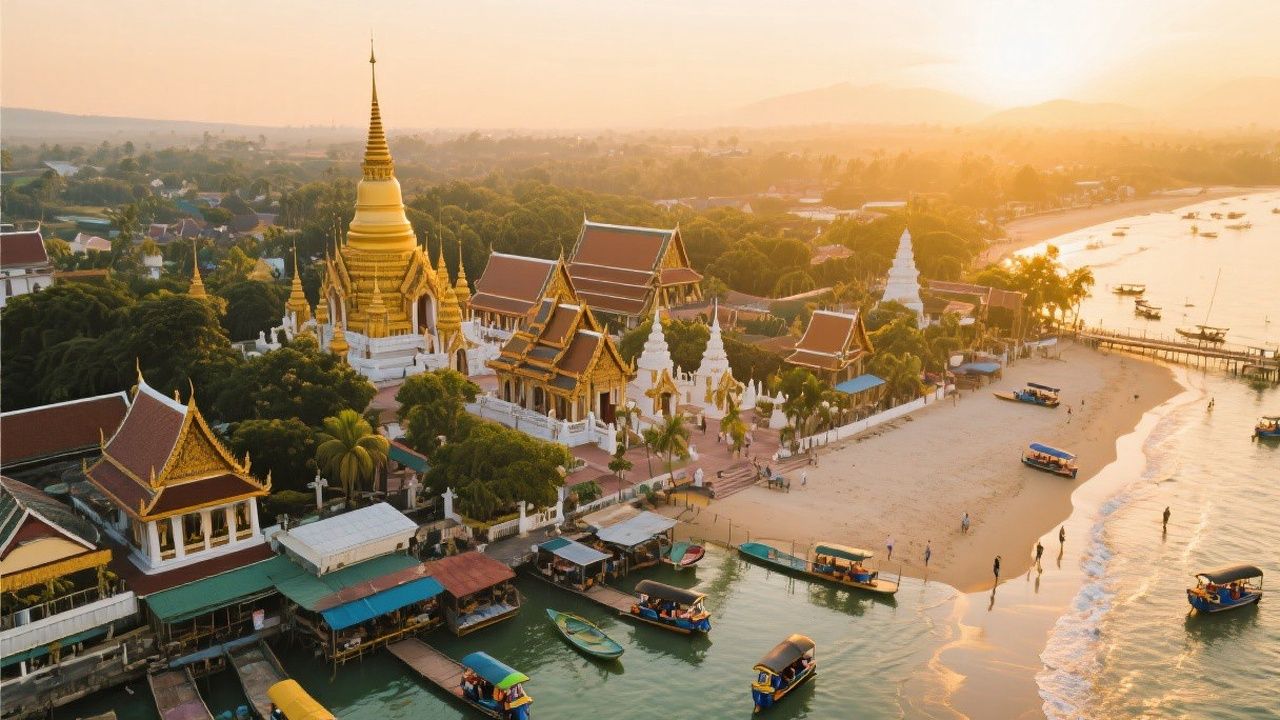
Bagan is the reason most people come to Myanmar, and it delivers. The plain stretching along the east bank of the Irrawaddy is dotted with over 2,200 temples and pagodas built between the 9th and 13th centuries, and at sunrise, when hot air balloons drift overhead and mist settles between the spires, it looks like something from a dream. I rented an e-bike from my guesthouse in Nyaung-U for 8,000 kyat per day (about $2.50) and spent four days exploring the temple complex at my own pace.
The sunrise experience has changed in recent years. The government closed the upper terraces of the most popular temples (Shwesandaw, Pyathada) to prevent structural damage, and the hot air balloon flights — which cost $300 to $350 per person for a 45-minute ride — now launch from a controlled area to the west of the main temple zone. I didn't do the balloon ride and don't regret it. Instead, I watched sunrise from a quiet spot near Dhammayangyi Temple, the largest temple in Bagan, with maybe a dozen other people. The light was extraordinary — the temples turned from silhouettes to deep orange to gold in the space of 20 minutes.
Don't try to see every temple. Bagan rewards selectivity. My top picks: Ananda Temple for its standing Buddha statues and preserved frescoes, Dhammayangyi for its massive scale and eerie interior corridors, and Sulamani Temple for its detailed brickwork and hilltop position. Entry to the Bagan Archaeological Zone costs 25,000 kyat (about $8), valid for five days.
Inle Lake Floating Gardens
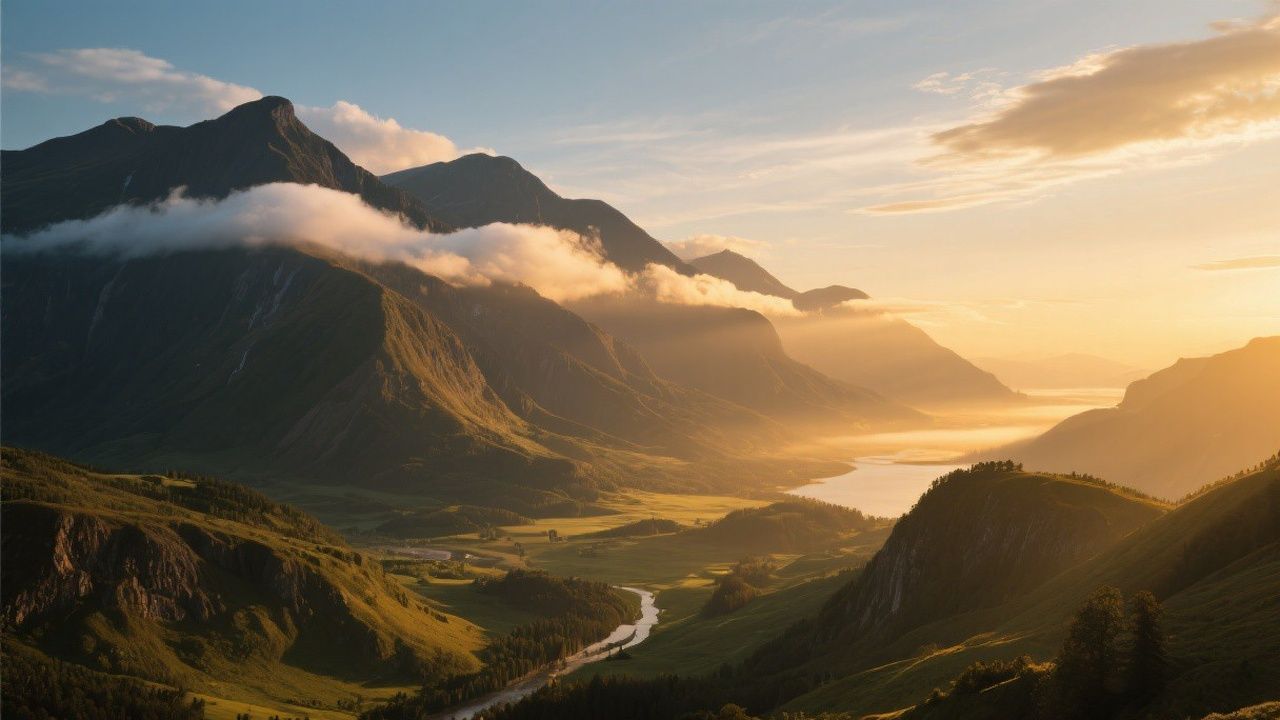
Inle Lake, in Shan State, is Myanmar's second most famous destination, and it's genuinely unique. The lake is shallow (average depth about 7 feet during dry season) and covered in floating gardens — long strips of land buoyed by hyacinth roots where farmers grow tomatoes, beans, and flowers. I hired a longboat with a guide through my guesthouse in Nyaung Shwe for 18,000 kyat ($5.50) for a full-day tour, split between two people.
The standard tour hits the main sights: the jumping cat monastery, the floating gardens, a cheroot rolling workshop, and the Phaung Daw Oo Pagoda with its gold-leaf-covered Buddha images. It's a lot of stops, and some feel commercialized — the lotus weaving workshop and silver smith are essentially sales pitches. Ask your guide to skip the ones you're not interested in and spend more time on the lake itself. The canoe ride through the morning market at Indein village, where Intha fishermen row with one leg wrapped around the oar, is the most photogenic moment of any Myanmar trip.
Stay in Nyaung Shwe rather than on the lake itself. The town has better restaurants, cheaper accommodation, and a more relaxed vibe. I paid $12 per night for a clean double room at a family-run guesthouse with breakfast included. For dinner, try the Burmese tea leaf salad (lahpet thoke) at any local restaurant — it's a mix of fermented tea leaves, peanuts, sesame, dried shrimp, and tomato, and it's addictive.
Cultural Etiquette Guide
Myanmar is a deeply Buddhist country, and understanding a few cultural norms goes a long way. Remove your shoes and socks before entering any temple, pagoda, or monastery — there are no exceptions. Carry slip-on sandals. Women should avoid wearing shorts or sleeveless tops at religious sites — knees and shoulders should be covered. Longyi (the traditional wrap-around garment) can be bought at any market for 5,000 to 10,000 kyat and is practical, comfortable, and culturally appropriate.
Don't touch anyone's head, and never point the soles of your feet at anyone or at Buddha images — both are considered deeply disrespectful. Monks eat their last meal before noon and cannot eat after midday, so don't offer food to a monk in the afternoon. Always ask before photographing monks, nuns, or people in rural villages. The political situation is a sensitive topic — some locals will discuss it openly, others won't. Follow their lead.
Responsible Tourism Considerations
Myanmar's political situation since the 2021 military coup has made ethical tourism a genuine dilemma. The key is how you travel. Stay at locally owned guesthouses rather than international hotel chains. Eat at local restaurants. Hire guides directly rather than through government-affiliated tour operators. Avoid businesses with known military connections — the boycott list maintained by the Burma Campaign UK is regularly updated and worth checking.
Money is a practical challenge. International credit cards are rarely accepted outside Yangon and Mandalay. Bring crisp, unblemished US dollars (bills with tears or pen marks may be refused) and exchange them at official exchange counters. The current street rate is approximately 2,100 kyat to the US dollar. ATMs are available in cities but often run out of cash. Carry more cash than you think you need. Internet access is unreliable — download offline maps and translation apps before arriving.
Essential Tips to Keep in Mind
- Internal flights between Yangon, Bagan, Mandalay, and Heho (for Inle Lake) save enormous amounts of time. Myanmar National Airlines and Air KBZ offer fares from $60 to $100 per flight.
- The power supply is 230V with Type C, D, and F plugs. Bring a universal adapter and a power bank — power cuts are common outside major cities.
- Drink only bottled or filtered water. Avoid ice in drinks outside reputable restaurants.
- Get hepatitis A, typhoid, and tetanus vaccinations before traveling. Malaria prophylaxis is recommended for rural areas.
- Bargaining is expected at markets but not in shops with fixed prices. Start at about half the asking price and negotiate with a smile.
Frequently Asked Questions
Is Myanmar safe to visit? Most tourist areas (Yangon, Bagan, Mandalay, Inle Lake) are currently safe for visitors, though the situation can change. Check your government's travel advisories before booking.
How much does a trip to Myanmar cost? Budget travelers can manage $25 to $35 per day. Mid-range travelers should budget $50 to $80 per day.
What's the best time to visit? November to February offers the coolest, driest weather. March to May is brutally hot. June to October is monsoon season — some roads become impassable.
Final Thoughts
Myanmar is not an easy destination, and that's precisely what makes it extraordinary. The temples of Bagan at dawn, the leg-rowing fishermen of Inle Lake, the crumbling colonial architecture of Yangon, and the warmth of people who have every reason to be cynical but choose instead to be kind — these are experiences that don't exist in a polished, tourist-friendly package. Travel here with your eyes open, your spending directed toward local communities, and your expectations calibrated for occasional frustration. The rewards are immense, and they stay with you long after you've left.