The Best Underwater Hotels and Aquarium Rooms Around the World
I have slept in a lot of unusual places over the years: a treehouse in Costa Rica, a cave hotel in Cappadocia, a converted prison in Helsinki. But nothing compares to the experience of lying in bed and watching a reef shark glide past your window, three meters below the surface of the Indian Ocean. Underwater hotels represent the ultimate frontier of accommodation design, blending engineering ambition with the primal wonder of the ocean. I have visited five of the world's most extraordinary underwater hotel rooms, and each one delivered an experience that felt genuinely otherworldly.
Maldives Underwater Villas
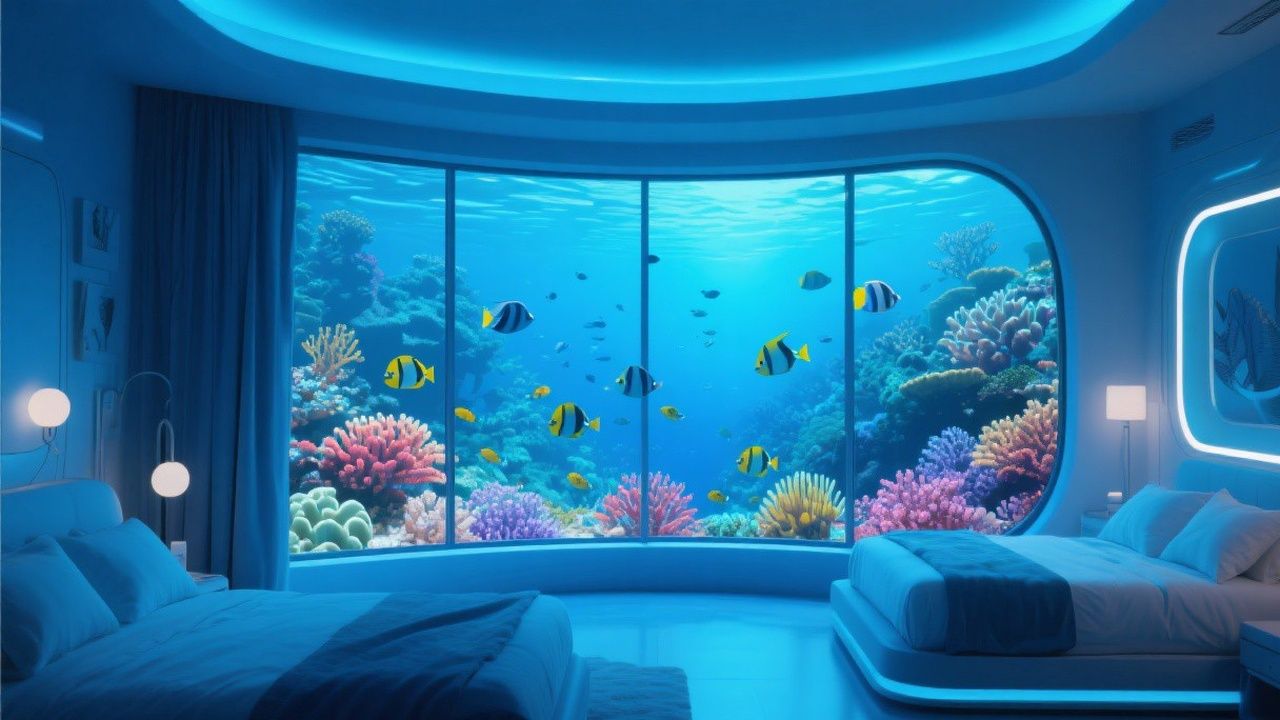
The Maldives is the undisputed capital of underwater accommodation. The Conrad Maldives Rangali Island was the first resort to offer a truly immersive underwater experience with the opening of the Muraka in 2018. This two-story residence descends five meters below the surface, with a bedroom, bathroom, and living area surrounded by curved acrylic panels offering 180-degree views of the surrounding reef. Rates start at approximately 10,000 USD per night, making it one of the most expensive hotel rooms on the planet.
I was fortunate enough to stay at the Muraka for one night on a press trip, and the experience defied my expectations. Falling asleep while watching manta rays and sea turtles drift past your bedroom window creates a sense of calm that is difficult to describe. The acrylic panels are 18 centimeters thick and engineered to withstand the water pressure at five meters depth. The bedroom has a king-size bed with a mirror above it, so you can watch the marine life without lifting your head from the pillow. The Atlantis The Royal in Dubai also features an underwater suite within the Ambassador Lagoon, with rates starting at roughly 8,000 USD per night.
Sweden Underwater Hotel
Not all underwater hotels are tropical. The Utter Inn in Lake Malaren, near Vasteras, Sweden, offers a completely different take on the concept. Designed by artist Mikael Genberg, this floating structure looks like a typical red Swedish cottage on the surface but descends three meters below the waterline into a single underwater bedroom with windows on all sides. Rates are approximately 3,500 SEK (about 320 USD) per night, making it one of the most accessible underwater hotel experiences in the world.
I drove from Stockholm to Vasteras on a rainy September afternoon, and descending the ladder from the surface cottage into the underwater bedroom felt like entering a submarine. The water in Lake Malaren is not crystal clear like the Maldives, but that is part of the charm. The greenish, slightly murky water creates an eerie, atmospheric quality, and the fish that appear at the windows, mostly perch and pike, feel like visitors from another world. At night, with the underwater lights illuminating the lake bed, the effect is hauntingly beautiful.
Booking Tips and Timing
Securing a night in an underwater hotel room requires planning, patience, and often a considerable budget. The Muraka at the Conrad Maldives has only one underwater residence, and it books out months in advance. I recommend contacting the resort directly at least six months before your desired dates, especially if you are traveling during peak season from December to April. The Conrad sometimes offers the Muraka as part of a longer stay package. A seven-night package that includes one night in the Muraka and six nights in an overwater villa starts at roughly 25,000 USD for two people.
The Atlantis underwater suites in Dubai are slightly easier to book because there are two of them, but they still require advance planning during winter months. Booking through a luxury travel agent can sometimes secure better rates or additional perks like spa credits or restaurant reservations. For budget-conscious travelers, the Utter Inn in Sweden is the most accessible option, and it can be booked online with relatively short notice. The best time to visit Sweden is from June to August when the long daylight hours and warmer water temperatures provide clearer water and more fish activity.
Safety and Engineering
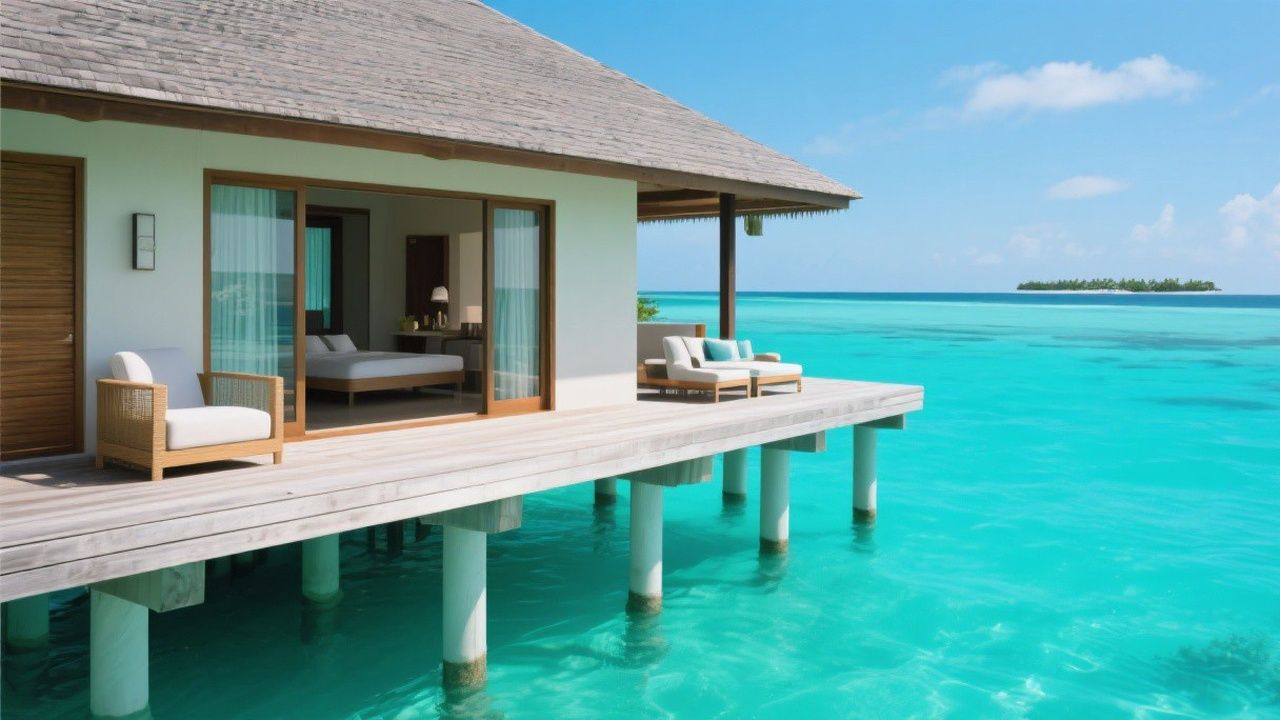
The engineering behind underwater hotel rooms is genuinely remarkable, and safety is the top priority for every property I have visited. The acrylic panels used in the Maldives and Dubai properties are manufactured by specialists like Reynolds Polymer Technology and are designed to withstand enormous water pressure while providing optically clear views. The Muraka's acrylic is 18 centimeters thick and can withstand pressures far beyond what it experiences at five meters depth. Structural integrity is monitored continuously with sensors embedded throughout the structure that measure pressure, temperature, and humidity, with data relayed to an onshore engineering team 24 hours a day.
Essential Tips to Keep in Mind
- Manage expectations about water clarity. Underwater visibility varies by season, weather, and location. The Maldives offers the clearest conditions, but even there, plankton blooms can reduce visibility.
- Bring an underwater camera. The photo opportunities from inside an underwater hotel room are extraordinary, and a GoPro or similar waterproof camera will capture memories that a phone camera cannot.
- Consider motion sensitivity. Some people feel a subtle sense of movement in underwater rooms due to water pressure changes and wave action. If you are prone to seasickness, bring medication just in case.
- Book through a luxury travel advisor for the high-end properties. They can often secure better rates, room upgrades, and additional perks that are not available through direct booking.
- Combine your underwater stay with diving or snorkeling. Seeing the reef from inside the room is amazing, but experiencing it from the water adds another dimension entirely.
Frequently Asked Questions
Is it claustrophobic to sleep underwater?
I was worried about this before my first underwater stay, but the rooms are surprisingly spacious and the large windows create a sense of openness that counteracts any feeling of enclosure. The Muraka's bedroom is the same size as a standard luxury hotel room, and the floor-to-ceiling acrylic panels make the space feel larger than it actually is.
What happens if there is a power failure?
All underwater hotel rooms have redundant power systems, including backup generators and battery systems. The Conrad Maldives has a dedicated power supply for the Muraka that is independent of the main resort grid. Emergency lighting and life support systems activate automatically within seconds of any power interruption.
Can children stay in underwater hotel rooms?
Most underwater hotel rooms welcome children, and kids are typically more excited than scared by the experience. The Muraka at the Conrad Maldives allows children of all ages, and the Atlantis underwater suites in Dubai are also family-friendly. Check with the specific property about age policies and any restrictions.
Final Thoughts
Sleeping underwater is one of those rare travel experiences that genuinely changes how you see the world. There is something deeply humbling about lying in bed while the ocean carries on its ancient rhythms just centimeters from your face. These unique underwater accommodation properties are engineering marvels, and they are also a reminder that the most extraordinary travel experiences often come from pushing the boundaries of what we thought was possible.