The Ultimate Guide to Exploring Prague: Castles, Bridges, and Beer
Prague Castle Complex Tour
Prague Castle is not a single building — it's an entire walled district sitting atop a hill overlooking the Vltava River, and it holds the Guinness record as the largest ancient castle complex in the world. The ticket you want is Circuit B (350 CZK, roughly $15), which gets you into St. Vitus Cathedral, the Old Royal Palace, St. George's Basilica, and the Golden Lane. Circuit A adds a few more sites for 500 CZK, but unless you're deeply into Czech history, Circuit B hits the sweet spot.
St. Vitus Cathedral alone is worth the trip. The stained glass window by Alphonse Mucha near the third chapel on the left stopped me dead in my tracks — the colors are so vivid they look backlit. Go early, right when the castle grounds open at 6:00 AM in summer, and you'll have the nave almost to yourself. By 9:30 AM, tour groups flood in and the echo of guides narrating in four languages simultaneously kills the atmosphere. After the cathedral, walk the Golden Lane, a row of tiny pastel houses where Franz Kafka briefly lived in house number 22.
For a quieter experience, skip the main entrance and approach the castle from Malostranské náměstí via the New Castle Stairs. Most tourists take tram 22 up from Malá Strana, which dumps everyone at the main gate. The stairs route takes about ten minutes longer, you'll pass through a vineyard with a terrace cafe, and the views of the city unfolding below are better than anything from the castle walls themselves.
Petrin Hill Views
Petrín Hill is Prague's answer to Montmartre, except with fewer crowds and better beer at the top. You can reach it via the funicular railway from Újezd street (included with a standard 32 CZK public transit ticket), which chugs uphill through orchards and forest for about three minutes. At the summit, a miniature Eiffel Tower replica built in 1891 offers a 298-step climb to a viewing platform that gives you a better panorama of Prague than the castle does. Admission is 250 CZK.
Prague Beer Culture Guide
Czechs drink more beer per capita than any other nation on earth — roughly 142 liters per person annually — and Prague is the epicenter of that obsession. A half-liter of fresh Pilsner Urquell at a local pub costs between 45 and 60 CZK ($2 to $2.50), which is less than bottled water in most European cities. The beer is served with a specific foam head — about two fingers thick — and a good bartender will spend ten seconds pouring to get it right.
Start at U Zlatého Tygra (The Golden Tiger), a legendary pub near Old Town Square where Bill Clinton and Vaclav Havel once shared a pint. The walls are covered in newspaper clippings and the waiters are famously grumpy, but the Pilsner Urquell is poured from oak casks and tastes unlike any draft beer you've had. For something more modern, head to Zemský Pivovar in Nové Město, a craft brewery serving unfiltered lagers and IPAs alongside hearty Czech plates. Their smoked pork knuckle with horseradish (120 CZK) feeds two people easily.
Don't skip the beer gardens. Letná Beer Garden, perched on a plateau above the Vltava, has picnic tables, a casual food stand selling sausages and fried cheese, and draft beer for 55 CZK. The view of Prague's bridges at golden hour from here is genuinely one of the best in the city.
Prague Card and Transport

Prague's public transit system is efficient, clean, and cheap. A 30-minute single ride ticket costs 32 CZK, a 24-hour pass is 120 CZK, and a 72-hour pass is 330 CZK. You validate tickets by punching them in the yellow machines inside trams and metro stations — forget this step and you'll face a 1000 CZK fine if inspectors catch you. The metro runs from about 5 AM to midnight, and night trams cover the same routes after hours.
The Prague Card (890 CZK for 2 days, 1150 CZK for 3 days) includes unlimited public transit and free entry to over 60 attractions. I ran the numbers and found it's worth it if you plan to visit at least four paid attractions per day. For a more relaxed pace hitting two or three sites daily, you're better off paying individually. Download the PID Lítačka app for real-time departures — it's saved me from waiting at empty stops more than once.
Essential Tips to Keep in Mind
- Exchange money at local banks or use ATMs — avoid the exchange kiosks on Old Town Square, which advertise "0% commission" but use terrible rates.
- Tipping is not expected but appreciated — round up to the nearest 10 or 20 CZK at restaurants, or leave 10 percent at sit-down dinners.
- Restaurants in the tourist zone near Old Town Square charge double what you'll pay two streets away. Walk ten minutes to Vinohrady or Žižkov for the same quality at half the price.
- Watch out for pickpockets on trams 22 and 9, especially during summer. Keep your phone and wallet in a front pocket.
- Most museums are closed on Mondays. Plan your Prague Castle and gallery visits for Tuesday through Sunday.
Frequently Asked Questions
How many days do you need in Prague? Four to five days gives you enough time for the major sights, a day trip to Kutná Hora (the bone church is 90 minutes by train), and a few evenings at beer gardens without feeling rushed.
Is Prague expensive? Compared to Western Europe, Prague is a bargain. A decent hotel room costs $60 to $100 per night, a full meal with beer runs $10 to $15, and most attractions are under $10.
Do you need to speak Czech? Not at all. English is widely spoken in restaurants, hotels, and tourist areas. Learning "děkuji" (thank you) and "pivo" (beer) earns you instant goodwill.
Final Thoughts
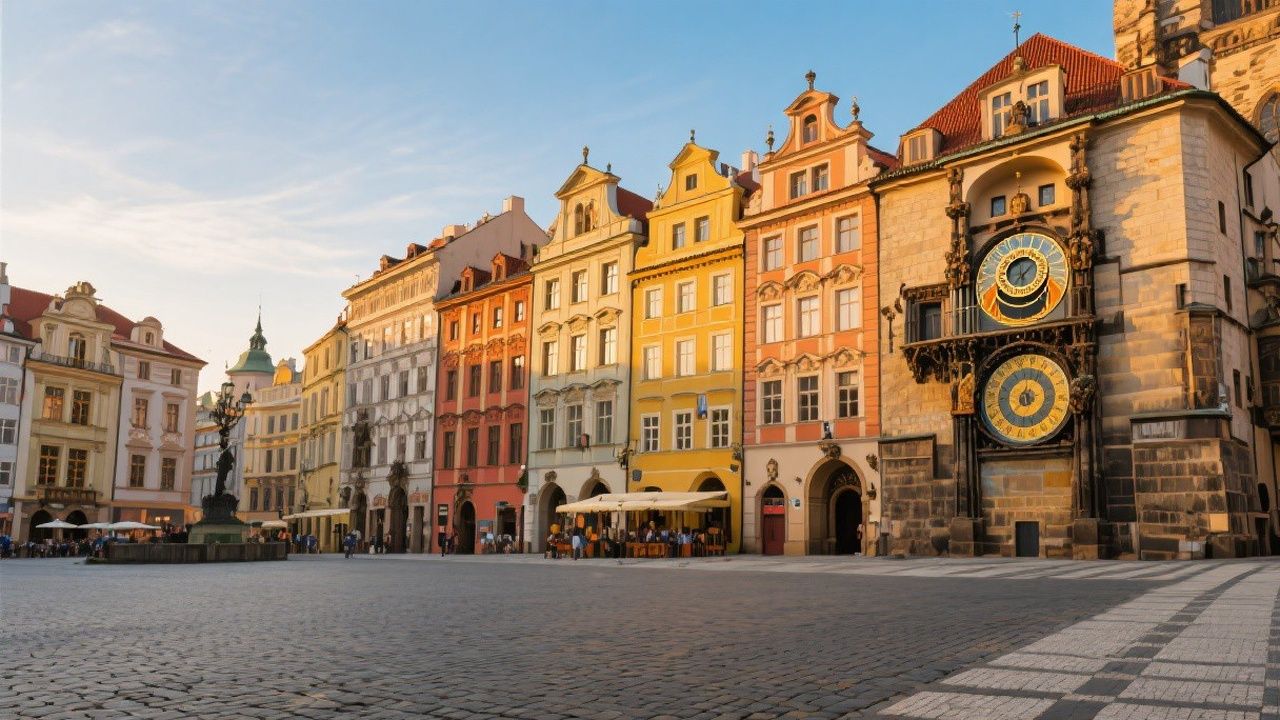
Prague rewards slow travel. The city's magic isn't in rushing between landmarks — it's in the half-hour you spend nursing a Pilsner at a corner pub, watching trams clank past Art Nouveau apartment buildings, or getting lost in the rabbit warren of streets behind the Old Jewish Cemetery. I've visited four times now, and every trip reveals another hidden courtyard, another neighborhood brewery, another viewpoint that makes me stop walking and just stare. Bring comfortable shoes for the cobblestones, leave room in your schedule for spontaneous detours, and don't bother with a strict itinerary. Prague is best experienced at a wander.